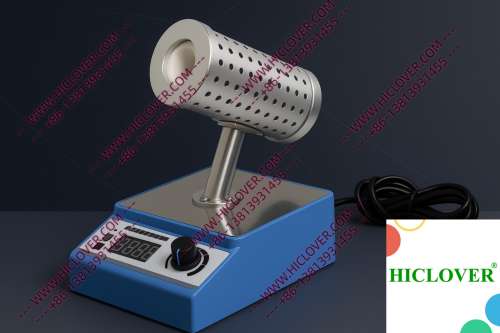
In today’s rapidly evolving scientific landscape, the challenges of laboratory biosafety and contamination control are more critical than ever. Researchers and lab technicians must navigate stringent sterilization workflow demands that come with their high-stakes environments. Achieving stringent sterilization standards necessitates advanced equipment designed to provide unparalleled protection and efficiency. This article delves into the innovative world of touch-free lab sterilizers, with a specific focus on the Micro Incinerator or Infrared Inoculating Loop Sterilizer—an essential tool in the battle against contamination.
The Critical Role of Laboratory Sterilization Equipment
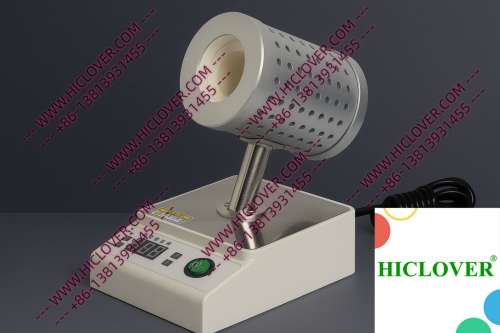
Laboratory environments, particularly BSL-2 and BSL-3 microbiology labs, are at risk of airborne and surface contaminants that can compromise research integrity and safety. Traditional flame sterilizers, such as alcohol lamps and Bunsen burners, have long been used to achieve rapid thermal sterilization. However, their inherent risks—including flame exposure, aerosol generation, and potential contamination from the user—make them less desirable in the modern lab setting. Enter the Micro Incinerator, a revolutionary sterilization solution that redefines cleanliness and safety.
How the Infrared Inoculating Loop Sterilizer Works
The Micro Incinerator employs infrared high-temperature disinfection, integrating an enclosed ceramic tube that uniformly distributes heat. This configuration not only ensures rapid sterilization of inoculating loops and other tools but also enhances user safety by eliminating the risk associated with open flames. The sleek design allows for a clean-bench-safe environment, making it an ideal fit for biosafety cabinets, where contamination control is paramount.
Applications in Real Laboratory Settings
Micro Incinerators find applications across various laboratory settings, each benefiting from its unique features. Below are two relevant scenarios:
Field Testing in Environmental Science
In environmental science labs conducting field testing, researchers often face the challenge of maintaining contamination-free surfaces without the luxury of a controlled environment. The Micro Incinerator offers a portable and efficient solution, allowing researchers to sterilize tools in situ without the risk of introducing biological contaminants. By utilizing a touch-free mechanism, it also minimizes user error, making it especially valuable in the field.
University Teaching Labs
University teaching labs represent another critical utilization of touch-free sterilization. As students are often inexperienced in handling live cultures, the Micro Incinerator provides a safe and efficient way to educate them about sterilization practices without the risks that come from traditional flame sterilizers. Instructors can ensure compliance with safety protocols while demonstrating sterilization techniques with this innovative device.
Regulatory Compliance and Environmental Considerations
Compliance with biosafety and laboratory sterilization standards is non-negotiable. The World Health Organization (WHO) and various national safety boards set forth numerous guidelines to mitigate contamination risks, emphasizing the necessity for safe sterilization practices. Using a Micro Incinerator can help facilities avoid the admission of flammable substances in clean rooms, as it operates safely without an open flame, adhering to necessary regulatory frameworks.
- WHO Biosafety Guidelines
- Laboratory sterilization standards
- No flame zones in clean rooms
Advantages over Traditional Flame Sterilizers
Choosing a Micro Incinerator over traditional flame burners like Bunsen burners and alcohol lamps offers several advantages:
| Feature | Micro Incinerator | Flame Sterilizers |
|---|---|---|
| Operation | Touch-free, rapid thermal sterilization | Requires manual ignition and supervision |
| Contamination Risk | Aerosol-free handling | Flame can produce aerosols and contaminants |
| Safety | No flame, no combustion | Open flame poses potential hazards |
| Environment | Ideal for clean rooms | Not suitable for clean environments |
Frequently Asked Questions
1. What is the primary function of a Micro Incinerator?
The primary function is to provide rapid thermal sterilization of inoculating loops and other laboratory tools through infrared heat, ensuring a contamination-free work environment.
2. What makes Micro Incinerators safer than traditional sterilizers?
Micro Incinerators operate without an open flame, reducing the risk of fire and aerosol contamination while ensuring a clean, touch-free experience.
3. Where are Micro Incinerators commonly used?
They are commonly used in BSL-2 and BSL-3 microbiology labs, university teaching labs, and during field testing in environmental research.
4. Are Micro Incinerators compliant with WHO biosafety guidelines?
Yes, Micro Incinerators align with WHO biosafety guidelines by ensuring safe sterilization practices in labs, particularly clean environments where open flames are prohibited.
5. Can Micro Incinerators be used in mobile labs?
Absolutely! Their portability and safety make them ideal for use in mobile and field testing labs.
Conclusion
In a world where laboratory safety is paramount, adopting cutting-edge sterilization technology like the Micro Incinerator not only enhances operational efficiency but also dramatically improves contamination control. By prioritizing touch-free sterilization methods, labs can align with compliance standards and safeguard researchers’ well-being while advancing scientific discovery. For quality exports of the Micro Incinerator or to learn more about incorporating this essential equipment into your lab, don’t hesitate to reach out!
Categories:
Tags: