
Laboratory safety is an utmost priority, especially when staff and cultural integrity are at stake. In various biological and microbiological workflows—including BSL-2 and BSL-3 labs—ensuring contamination control is crucial. An often-overlooked aspect of this safety is the effectiveness of inoculation tools. Traditional methods like flame sterilizers, including alcohol lamps and Bunsen burners, are gradually being replaced by more advanced solutions like the Micro Incinerator and Infrared Inoculating Loop Sterilizer, which offer numerous advantages for modern laboratories.
Laboratory Sterilization Challenges
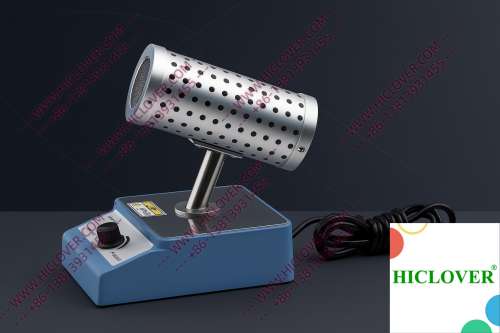
Contamination poses a significant threat to sample integrity. Conventional flame sterilization can produce aerosols and volatile byproducts that compromise sensitive cultures and contaminate the air. In addition, working in confined spaces such as biosafety cabinets makes traditional methods impractical and potentially hazardous. Contaminated inoculating needles can result in false data, loss of valuable samples, and even dangerous cross-contamination with pathogenic organisms.
How Micro Incinerators Work
The Micro Incinerator utilizes infrared high-temperature disinfection through a ceramic heating chamber. This innovative technology ensures rapid thermal sterilization without the need for an open flame, reducing the risk of burns and accidents. Its enclosed design minimizes airflow disturbances, crucial for maintaining a sterile environment.
- Infrared Technology: Heats quickly and maintains a high-temperature environment.
- Ergonomic Design: Lightweight and easy to use in compact lab spaces.
- Energy Efficient: Consumes less power compared to traditional heaters.
Application Scenarios in Real Labs
Biosafety Cabinet Usage
In a university teaching laboratory, where students are learning the principles of aseptic technique, the Micro Incinerator can be utilized within a biosafety cabinet. This setup offers a dual benefit of protecting the user while ensuring that cultures remain uncontaminated. Students can practice inoculation techniques safely, using heat sterilization to maintain a sterile environment without the risk associated with steam or flames.
Field Testing Applications
In the field testing environment, particularly in remote or rural locations, traditional sterilization methods may not be feasible. The portability of the Micro Incinerator allows for quick and efficient sterilization of inoculating needles. A field research team studying microbial diversity can quickly transition between sample collection and processing without the concerns associated with flame sterilization.
Compliance and Environmental Considerations
Compliance with international and local biosafety standards is essential. WHO guidelines emphasize the importance of effective sterilization processes that minimize the risk of contamination. Traditional flame methods are often prohibited in clean rooms due to the fire and vapor risks they pose. Conversely, infrared sterilization units comply with lab sterilization standards, making them suitable for clean environments, such as CO₂ incubators or anaerobic chambers.
| Feature | Micro Incinerator | Traditional Flame Burner |
|---|---|---|
| Safety | No open flame, reducing risk of fire | Risk of fire and burns |
| Efficiency | Rapid heating and cooling | Slower inefficient heating |
| Environment | Clean and aerosol-free | Produces aerosols and fumes |
| Portability | Lightweight and mobile | Requires more setup and space |
Frequently Asked Questions
What types of samples benefit most from using a Micro Incinerator?
Micro Incinerators are excellent for a variety of samples ranging from bacterial cultures to general cellular samples, making them a versatile asset in microbiology research.
Are Micro Incinerators safe to use in clean rooms?
Yes, Micro Incinerators are designed for use in clean rooms as they do not produce flame or aerosols that can contaminate the controlled environment.
How does infrared sterilization compare to traditional flame sterilization?
Infrared sterilization is faster and more effective, providing gentle and uniform heating that ensures killing pathogens without introducing harmful aerosols.
Can I use a Micro Incinerator in the field?
Absolutely! The lightweight design and quick heating capabilities make the Micro Incinerator ideal for field applications.
How do I maintain and clean my Micro Incinerator?
Regular cleaning involves gently wiping the ceramic chamber with a soft cloth and ensuring all external surfaces are free from contaminants. Follow manufacturer recommendations for more detailed maintenance procedures.
Conclusion
In modern laboratory environments, adopting advanced sterilization techniques is essential to maintain culture integrity, protect staff, and ensure compliance with biosafety standards. The Micro Incinerator offers a safe, efficient, and compliant alternative to traditional flame methods. For labs looking to upgrade their sterilization practices, exploring the capabilities of the Micro Incinerator could be a game-changer.
For inquiries, product demonstrations, or to purchase your own Micro Incinerator, please reach out to our sales team. Elevate your laboratory’s sterilization standards today!
Categories:
Tags: