
In modern laboratory settings, particularly in BSL-2 and BSL-3 microbiology labs, the challenges of maintaining biosafety and preventing contamination are paramount. The risks associated with microbial cultures necessitate innovative approaches to sterilization. Traditional methods such as alcohol lamps and Bunsen burners may no longer meet the stringent demands for efficiency, safety, and compliance in today’s fast-paced scientific environments. Enter the Micro Incinerator / Infrared Inoculating Loop Sterilizer, a groundbreaking device that operates at a remarkable 950°C, delivering rapid and reliable thermal sterilization.
How It Works: The Technical Principles and Design
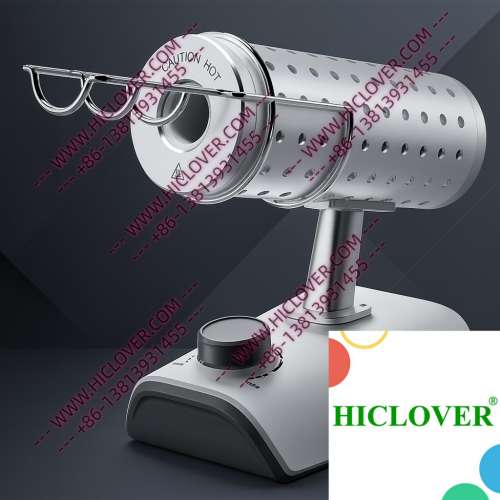
The Micro Incinerator utilizes advanced infrared technology to achieve high-temperature sterilization without the risks associated with open flames. At its core, the device features a ceramic heating chamber that generates intense infrared heat. This design offers several benefits over traditional flame sterilizers:
- Rapid Thermal Sterilization: The device reaches optimal temperatures in mere seconds, vastly improving workflow efficiency.
- Contamination Control: The enclosed ceramic tube prevents aerosol production, making it ideal for clean environments.
- Safety in Operation: With no open flame, there is significantly reduced risk of fire hazards, particularly in clean rooms and sensitive laboratory settings.
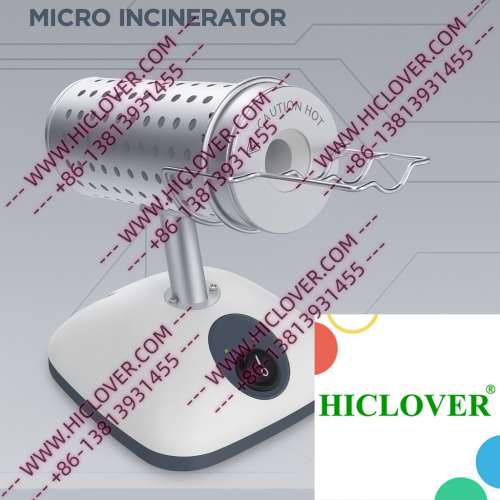
The unique design not only enhances the precision of sterilization but also addresses the critical aspect of compliance with biosafety standards.
Application Scenarios in Real Labs
The Micro Incinerator is versatile, fitting seamlessly into diverse laboratory environments. Here are two prominent application scenarios:
1. Biosafety Cabinets
In laboratories utilizing biosafety cabinets, maintaining sterile conditions is crucial. The use of a Micro Incinerator allows researchers to sterilize inoculating loops and other small tools safely within the cabinet. By preventing open flames, the device minimizes the risk of hazardous aerosols and maintains the sterile environment necessary for sensitive research.
2. Teaching Laboratories
In academic settings, particularly in university teaching labs, the Micro Incinerator offers a safer and more efficient alternative for students learning microbiological techniques. Instructors can confidently teach sterilization methods without the associated dangers of flame, allowing for a focus on effective lab practices. This operational ease makes it an excellent investment for educational institutions striving to provide high-quality training to future scientists.
Biosafety and Compliance: Meeting Global Standards
Stringent biosafety standards set forth by organizations like the World Health Organization (WHO) underscore the importance of using sterilization methods that do not compromise safety or efficiency. Compliance with these standards is imperative for laboratories that handle potentially hazardous materials.
The Micro Incinerator aligns with critical lab sterilization standards that dictate the use of flame-free devices in clean environments. Significant regulations include:
- WHO guidelines on laboratory biosafety
- ISO 13485 standards for medical devices
- Local regulatory requirements specific to laboratory operations in various regions, such as the EU and North America.
With its flame-free operation, the Micro Incinerator is perfectly tailored for labs seeking to enhance safety while upholding compliance.
Comparative Analysis: Micro Incinerator vs. Traditional Flame Sterilizers
| Feature | Micro Incinerator | Flame Sterilizers |
|---|---|---|
| Operating Temperature | 950°C | Variable (typically < 1000°C) |
| Environment | Clean-room safe | Risk of contamination |
| Time to Sterilize | Seconds | Minutes |
| Aerosol Production | No | Yes |
| Safety | High (no flame) | Moderate (risk of fire) |
Frequently Asked Questions (FAQs)
1. What are the main benefits of using a Micro Incinerator in laboratories?
The Micro Incinerator provides rapid sterilization, enhanced safety, and effective contamination control due to its high temperature and flame-free operation.
2. Can a Micro Incinerator be used in field testing labs?
Yes, its compact design and efficient operation make it ideal for mobile or field testing labs, where space and safety are often concerns.
3. How does the Micro Incinerator ensure compliance with WHO guidelines?
The Micro Incinerator’s no-flame design and rapid thermal sterilization meet critical biosafety standards and guidelines established by the WHO and other regulatory bodies.
4. Is it suitable for use in teaching labs?
Absolutely! The Micro Incinerator is perfect for educational institutions, providing a safe and efficient way for students to learn sterilization techniques without the hazards of traditional flame methods.
5. How quickly can I expect the Micro Incinerator to reach its operating temperature?
The Micro Incinerator achieves optimal sterilization temperature within seconds, significantly enhancing laboratory workflow processes.
Conclusion: Advance Your Laboratory Practices Today
In conclusion, the Micro Incinerator / Infrared Inoculating Loop Sterilizer revolutionizes laboratory sterilization practices by delivering a flame-free, efficient, and compliant solution for modern biosafety challenges. With its rapid thermal sterilization capabilities and unmatched safety features, it’s the ideal equipment for a wide range of applications from academic research to clinical diagnostics. For laboratories aiming to elevate their sterilization processes and maintain the highest standards of biosafety, investing in a Micro Incinerator is a vital step forward. Don’t hesitate to reach out to discover how this innovative sterilization solution can benefit your operations.
Categories:
Tags: