
In today’s dynamic laboratory settings, achieving a high standard of cleanliness is paramount. Every laboratory, from clinical diagnostics to university teaching labs, faces practical biosafety challenges, particularly concerning the management of contamination. The traditional methods of sterilization, such as the use of alcohol lamps and Bunsen burners, can pose risks associated with open flames, including the potential for error and fire hazard. To meet the increasing demands for efficient sterilization workflows, revolutionary devices such as the Micro Incinerator, also known as Infrared Inoculating Loop Sterilizers, have emerged as essential tools.
Technical Principles Behind Micro Incinerators
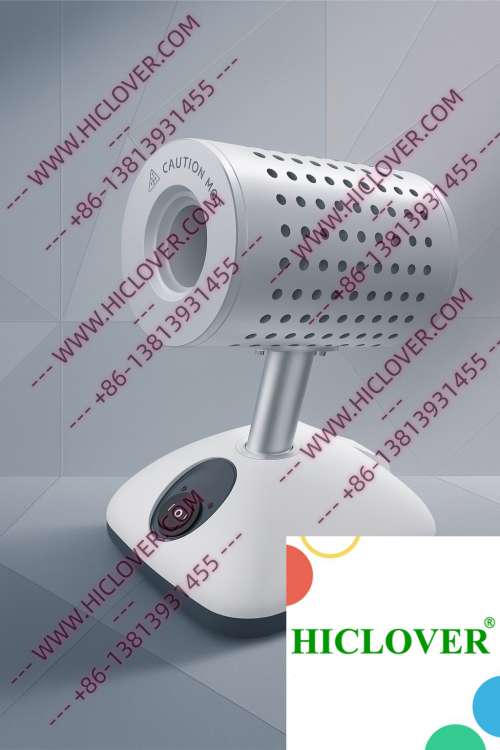
At the core of the Micro Incinerator’s functionality is the utilization of infrared heat. This technology provides direct high-temperature disinfection within a contained environment, enabling rapid sterilization without the dangers associated with flames. The enclosed ceramic tube design not only promotes a consistent temperature but also facilitates a safer sterilization process. This design prevents the risk of exposed flames, thereby adhering to stringent safety protocols required in spaces like BSL-2 and BSL-3 microbiology labs.
Advantages Over Traditional Flame Sterilizers
- Rapid Thermal Sterilization: Achieves sterilization in seconds, significantly reducing workflow times.
- Clean-Bench-Safe: Elimination of open flame decreases the risk of contaminating the workspace.
- Aerosol-Free Handling: Minimizes the risk of generating harmful aerosols during sterilization.
- Consistency: Provides uniform temperature distribution, ensuring reliable sterilization outcomes.
- What is the average sterilization time for a Micro Incinerator?
Typically, sterilization occurs in less than 10 seconds, making it significantly faster than traditional methods. - Can Micro Incinerators be used in clean rooms?
Yes, they are specifically designed to operate without an open flame, making them ideal for use in clean room environments. - Are there any special maintenance requirements?
Regular cleaning of the ceramic heating chamber is recommended to ensure optimal performance and hygiene. - What types of laboratories benefit from Micro Incinerators?
Micro Incinerators are beneficial for BSL-2 and BSL-3 microbiology labs, university teaching labs, and mobile field testing facilities. - How do Micro Incinerators compare to traditional flame sterilizers?
A comparison table highlighting the advantages and efficiency of Micro Incinerators versus traditional flame sterilizers can clearly illustrate the benefits.
Applications in Real Laboratories
Micro Incinerators are versatile and can be integrated into various laboratory scenarios.
Biosafety Cabinets
In BSL-2 and BSL-3 laboratories, where the handling of pathogens requires stringent hygiene protocols, the Micro Incinerator allows for quick sterilization of inoculating loops and other small tools right inside the biosafety cabinet. This minimizes the risk of contamination as tools are quickly sterilized without having to expose them to the ambient environment. The users can work efficiently, maintaining the required biosafety levels while enhancing workflow and productivity.
Field Testing Labs
For mobile laboratories conducting field testing, the need for effective sterilization is critical, especially in environments where traditional flame sterilizers cannot be safely used. Micro Incinerators provide a compact, portable solution, allowing researchers to sterilize instruments on-site quickly. As these devices operate free of flames, field researchers can concentrate on their work without the worry of igniting surrounding materials, which is particularly important in rural or uncontrolled environments.
Compliance and Environmental Considerations
Adhering to bio-safety standards specified by the World Health Organization (WHO) and various national regulations is essential for labs working with biohazardous materials. The Micro Incinerator not only meets these standards but excels by offering a safer alternative to conventional flame sterilizers. In clean rooms, the absence of flames prevents contamination and is crucial for maintaining sterile conditions, especially when dealing with sensitive cultures or microbiological samples.
Moreover, the adoption of infrared sterilizers contributes to a reduced environmental footprint by decreasing the use of disposable sterilization supplies, such as alcohol and matches, leading to less hazardous waste generation.
FAQs
Comparison Table: Micro Incinerator vs. Traditional Flame Sterilizers
| Feature | Micro Incinerator | Traditional Flame Sterilizer |
|---|---|---|
| Hazard Level | Low (No open flame) | High (Open flame) |
| Speed of Sterilization | Seconds | Minutes |
| Portability | Highly portable | Limited |
| Waste Generation | Minimal | Higher (disposable items) |
| Environmental Compliance | Meets WHO standards | May not meet clean room standards |
Conclusion
The adoption of Micro Incinerators is revolutionizing laboratory sterilization practices. By integrating this technology, labs can significantly enhance their operational efficiency while ensuring the highest standards of biosafety and contamination control. As the demand for rapid and effective sterilization grows, these devices represent a crucial investment for laboratory supply distributors, hospitals, universities, and research centers.
For a comprehensive understanding of how Micro Incinerators can fit into your laboratory’s operational framework, contact us today. We are committed to providing you with high-quality sterilization solutions tailored to your needs.
Categories:
Tags: