
As laboratories increasingly face pressing biosafety challenges, the demand for reliable sterilization equipment grows. Traditional alcohol lamps or Bunsen burners are no longer the gold standards for achieving contamination control in laboratory settings, especially in BSL-2 and BSL-3 environments where the risk of pathogenic exposure is high. The evolution of sterilization protocols has paved the way for advanced solutions such as Micro Incinerators, or Infrared Inoculating Loop Sterilizers, that enhance both safety and efficiency in sterilization workflows.
The Technical Principle Behind Micro Incinerators
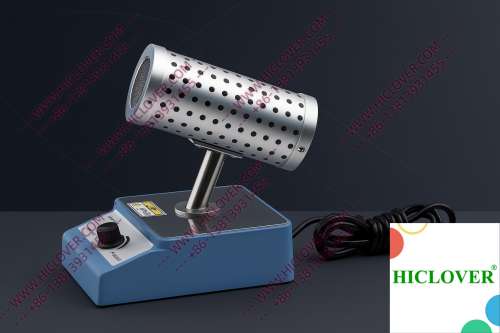
The Micro Incinerator operates on advanced thermal sterilization principles that significantly improve upon the limitations of traditional flame sterilizers. Using a ceramic heating chamber, these devices utilize infrared high-temperature disinfection techniques to provide rapid thermal sterilization. The enclosed ceramic tube generates consistent, controlled heat that quickly reaches and maintains temperatures necessary to eliminate microbial contaminants.
This method is particularly advantageous as it avoids the generation of aerosols, a common concern with open flames, thus creating a safer working environment. Unlike alcohol lamps, micro incinerators produce no flames, making them clean-bench-safe and suitable for use within biosafety cabinets or other controlled settings.
Application Scenarios in Modern Laboratories
- Biosafety Cabinets: In microbiology labs, a Micro Incinerator is an essential tool inside biosafety cabinets. Its ability to achieve high temperatures quickly allows researchers to sterilize inoculating loops or needles effortlessly before transferring samples, reducing cross-contamination risks.
- Field Testing Laboratories: For field researchers in remote locations, a portable micro incinerator offers exceptional reliability. Its lightweight design and battery-operated options allow researchers to conduct microbial diagnostics on-site, ensuring that their tools remain sterile even in variable environmental conditions.
- University Teaching Labs: In educational institutions, instructors can demonstrate effective sterilization techniques while ensuring student safety. Using a Micro Incinerator allows students to observe safe sterilization methods that are compliant with modern laboratory standards.
- What is the primary advantage of using a Micro Incinerator over a traditional alcohol lamp?
The main advantage is its ability to provide controlled, rapid thermal sterilization without open flames, thereby improving safety and compliance in laboratory settings. - Can a Micro Incinerator be used in BSL-3 labs?
Yes, it is designed to meet safety standards and can be effectively utilized in BSL-3 laboratories where a higher level of biosafety is required. - How does the ceramic heating chamber work?
The ceramic heating chamber reaches high temperatures quickly, ensuring efficient microbial inactivation while eliminating aerosols during the sterilization process. - Is the Micro Incinerator suitable for fieldwork?
Absolutely! Its lightweight and portable design makes it ideal for field testing labs where sterility is crucial. - What maintenance does a Micro Incinerator require?
Routine cleaning of the ceramic chamber and checking electrical connections are recommended for optimal performance.
Ensuring Compliance and Environmental Safety
The WHO and various regional standards emphasize the importance of adhering to specific biosafety protocols to minimize the risk of laboratory-associated infections. Traditional flame-based sterilizers pose inherent risks, including unwanted aerosol production and temperature instability, especially in clean rooms or environments that lack proper ventilation.
The Micro Incinerator, being flame-free, is compliant with many global laboratory sterilization standards and poses less risk of ignition. For instance, while operating in clean rooms, the absence of open flames prevents the potential for chemical reactions or fire hazards, thereby maintaining a safe and controlled environment.
Comparison with Traditional Flame Sterilizers
| Features | Micro Incinerator | Alcohol Lamp / Bunsen Burner |
|---|---|---|
| Fuel Source | Electricity / Gas | Alcohol / Natural Gas |
| Temperature Control | Infrared, consistent high-temps | Variable, flame-dependent |
| Safety | Flame-free, no aerosols | Open flame, potential for explosions |
| Portability | Lightweight, battery options | Limited by gas supply |
| Environmental Impact | Lower emissions | Higher pollutants |
Frequently Asked Questions
The Future of Laboratory Sterilization Equipment
The transition away from traditional flame sterilizers toward devices like the Micro Incinerator signals a significant shift in how laboratories prioritize safety and efficiency. In locations such as Stockholm, Sweden, where BSL-3 labs are common, these devices are essential. Contact us today to learn more about upgrading your laboratory sterilization protocols and discover the potential advantages of integrating a Micro Incinerator or Infrared Inoculating Loop Sterilizer into your workflow. Ensure your laboratory meets modern safety standards while streamlining operations with our innovative sterilization solutions.
Upgrade your facility now and redefine your sterilization protocols by investing in cutting-edge technology that prioritizes both safety and efficiency.
Categories:
Tags: