
In today’s laboratories, particularly those dealing with biosafety challenges such as clinical diagnostics and microbiological research, ensuring effective sterilization techniques is essential. As professionals strive to maintain contamination control while adhering to strict biosafety regulations, the need for improved sterilization equipment has never been more apparent. One innovative solution that has gained traction in recent years is the Micro Incinerator/Infrared Inoculating Loop Sterilizer, designed to address these challenges while minimizing the carbon footprint associated with traditional sterilization methods.
Understanding the Technical Principles
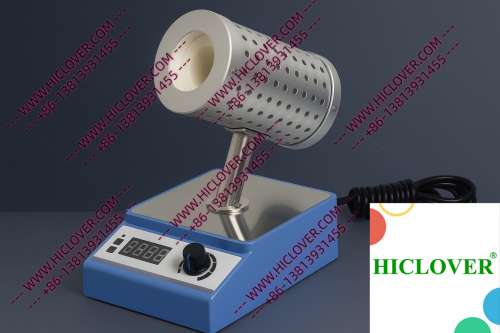
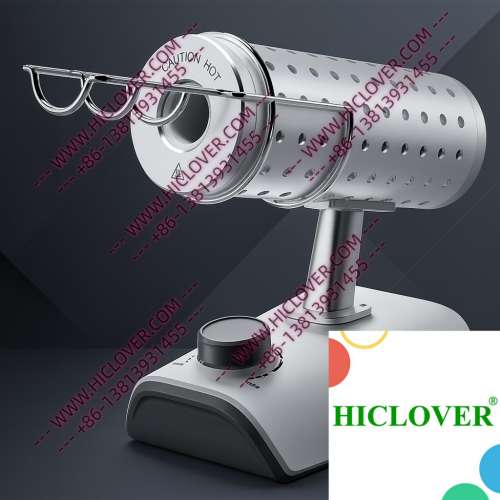
The Micro Incinerator leverages the power of infrared heat within an enclosed ceramic tube to achieve rapid thermal sterilization. This advanced design not only provides a clean and efficient means of sterilizing inoculating loops, needles, and other lab instruments, but it also eliminates the hazards associated with traditional flame-based sterilizers like alcohol lamps and Bunsen burners. The enclosed ceramic heating chamber generates high-temperatures swiftly, allowing for effective disinfection without the risk of open flames or the production of harmful aerosols, making it an excellent choice for BSL-2 and BSL-3 microbiology labs.
Applications in Real Laboratory Settings
When implemented correctly, the Micro Incinerator can significantly improve sterilization workflows in various laboratory scenarios:
- Biosafety Cabinets: In environments where sterility is paramount, such as within biosafety cabinets, the Micro Incinerator serves as a clean-bench-safe alternative to flame sterilization. Its compact design allows for easy incorporation into existing laboratory workflows, facilitating quick access to an efficient sterilization method while maintaining sterile workspaces.
- Field Testing Labs: Laboratories conducting field tests often face logistical challenges, including limited resources and environmental conditions. The Micro Incinerator’s portability allows it to be easily transported to varied testing sites, ensuring that sterilization procedures remain consistent and reliable regardless of the environment.
- University Teaching Labs: Educational institutions benefit considerably from the use of Micro Incinerators in teaching labs. Students can learn essential sterilization techniques in a safe manner, without the risks posed by traditional flame devices.
- What is the primary advantage of using a Micro Incinerator over traditional flame sterilizers?
The Micro Incinerator eliminates the hazards associated with open flames, significantly enhancing laboratory safety while providing consistent and efficient sterilization. - Can the Micro Incinerator be used in a BSL-2 laboratory setting?
Yes, the Micro Incinerator is suitable for BSL-2 laboratories, providing an effective means of sterilization without the risk of flame contamination. - How does the environmental impact of Micro Incinerators compare to that of flame sterilizers?
The Micro Incinerator produces minimal CO₂ emissions and eliminates pollutants associated with open flames, helping to reduce the overall carbon footprint of laboratory operations. - What types of instruments can be sterilized using a Micro Incinerator?
A Micro Incinerator can effectively sterilize inoculating loops, needles, and other lab instruments that fit within its heating chamber. - Is the Micro Incinerator compliant with lab sterilization standards?
Yes, it adheres to WHO biosafety standards and various laboratory sterilization guidelines, making it an excellent choice for environments requiring rigorous compliance.
Compliance and Environmental Standards
Compliance with WHO biosafety standards and lab sterilization guidelines is crucial for protecting both researchers and the environment. The Micro Incinerator not only meets these essential standards but also promotes environmental responsibility:
Its smokeless operation limits health risks associated with volatile compounds and aids in meeting cleanroom requirements where open flames are prohibited.
By choosing smokeless methods of sterilization, laboratories can significantly reduce their carbon footprints. This aligns perfectly with growing global calls for sustainable practices in research and healthcare. By investing in technologies like the Micro Incinerator, laboratories can achieve compliance without compromising sterilization efficiency or safety.
A Comparative Overview: Micro Incinerator vs. Flame Burners
| Feature | Micro Incinerator | Flame Burners |
|---|---|---|
| Heating Method | Infrared Heat | Open Flame |
| CO₂ Emissions | Low | High |
| Containment of Contaminants | Enclosed Design | Risk of Spill and Contamination |
| Ease of Use | Simple, Quick Activation | Requires Flame Management |
| Safety | No Flames | Risk of Burns and Fire Hazards |
Frequently Asked Questions
The Path Forward: Conclusion
In conclusion, the Micro Incinerator/Infrared Inoculating Loop Sterilizer represents a significant advancement in laboratory sterilization technology. Its safe, efficient, and environmentally friendly approach not only helps laboratories comply with essential biosafety and sterilization regulations but also considerably reduces their ecological footprint. As the demand for sustainable laboratory practices rises, investing in innovative equipment like the Micro Incinerator becomes imperative for institutions committed to protecting both health and the environment. To learn more about how our Micro Incinerator can enhance your laboratory’s sterilization workflow, please contact us today for more information or to place an order.
Categories:
Tags: