
In the fast-evolving realm of laboratory biosafety, the need for efficient and environmentally friendly sterilization methods cannot be overstated. Laboratories, particularly those dealing with sensitive biological materials, face unique challenges that demand adherence to rigorous sterilization protocols. Traditional methods, often reliant on flame-based sterilizers like Bunsen burners and alcohol lamps, introduce risks of contamination and present potential safety hazards. Enter the Micro Incinerator or Infrared Inoculating Loop Sterilizer — a powerful tool designed to meet the stringent demands of modern laboratories while minimizing environmental impact.
Understanding the Technical Principles of Micro Incinerators
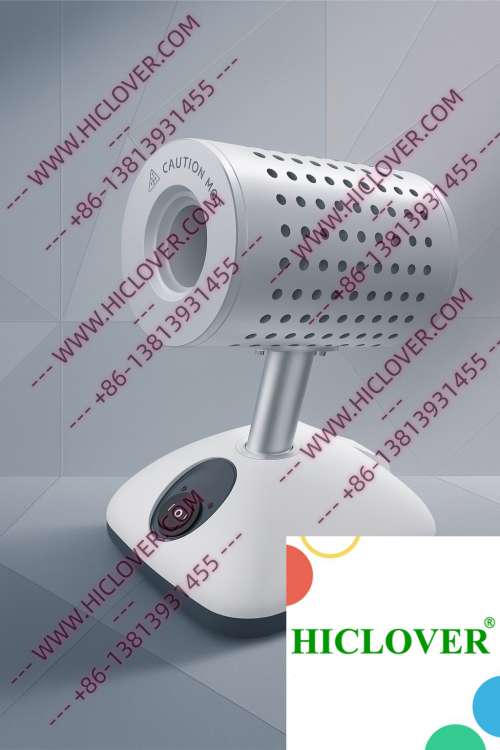
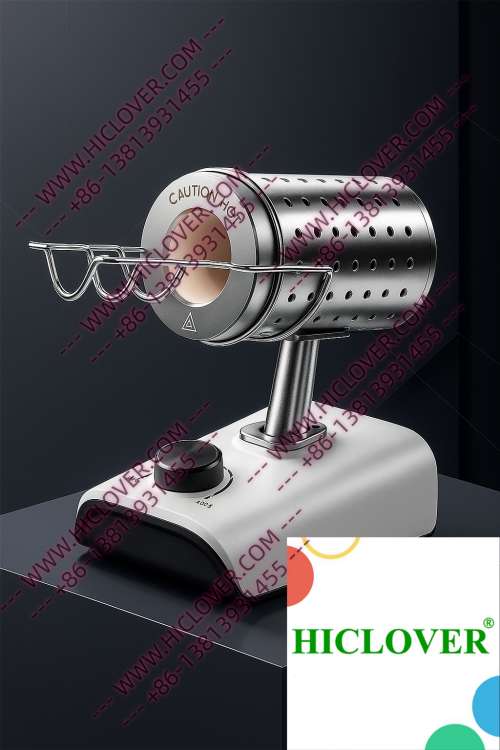
A Micro Incinerator utilizes rapid thermal sterilization through infrared heat, making it a superior choice for contaminant control. With its enclosed ceramic heating chamber, the Micro Incinerator delivers directed infrared energy that can reach high temperatures, enabling high-temperature disinfection of inoculating loops and other sterile tools. Unlike traditional flame sources, which can generate uncontrollable flames and create aerosols, the Micro Incinerator operates in a clean-bench-safe manner. This feature not only ensures a sterile environment but also significantly mitigates risks associated with open flames in sensitive lab areas.
Advantages Over Traditional Flame Sterilizers
| Feature | Micro Incinerator | Flame Sterilizers |
|---|---|---|
| Speed of Sterilization | Rapid thermal sterilization | Slower due to flame management |
| Risk of Contamination | Minimal due to aerosol-free handling | Higher risk from open flames |
| Safety | Clean-bench-safe design | Potential hazards from fire |
| Environmental Impact | Lower emissions | Higher emissions from combustion |
Real-World Applications of Micro Incinerators
The versatility of Micro Incinerators extends across various laboratory settings. Here are two application scenarios demonstrating their effectiveness:
- Biosafety Cabinets: In BSL-2 and BSL-3 microbiology labs, the Micro Incinerator provides a flame-free sterilization solution for inoculating loops and tools. The compact design allows easy integration into biosafety cabinets, where maintaining a sterile environment is paramount.
- Field Testing Laboratories: Mobile labs often operate in remote locations where traditional sterilization methods are impractical. Micro Incinerators offer a portable solution that ensures contamination control without the need for open flames, allowing field researchers to maintain sterile techniques safely.
Compliance with Biosafety Standards
Adhering to biosafety standards is crucial in laboratory operations. Organizations such as the World Health Organization (WHO) outline strict guidelines for lab sterilization practices, emphasizing the need to minimize risks associated with sterilization equipment. Micro Incinerators comply with these biosafety requirements, making them suitable for clean rooms and teaching labs where regulatory compliance is non-negotiable. The inherent design of the Micro Incinerator eliminates the risks of flame-based sterilizers, sticking to the protocols that eliminate fire hazards while ensuring proper sterilization procedures are followed.
Key Compliance Benefits
- Alignment with WHO biosafety standards.
- Meets sterilization standards set forth by regulatory authorities.
- Provides safe operation in BSL-2/BSL-3 environments.
Educational and Training Opportunities
In university teaching labs, the use of a Micro Incinerator provides students with hands-on experience in modern sterilization techniques. This aligns with industry standards, preparing future scientists for safe laboratory practices while emphasizing the importance of reducing environmental footprints in laboratory settings. An effective training program leveraging the Micro Incinerator can significantly enhance the educational experience surrounding biosafety and sterilization protocols.
Frequently Asked Questions
1. How does a Micro Incinerator work?
A Micro Incinerator works by using infrared heat to rapidly sterilize inoculating loops and other laboratory tools through high-temperature disinfection within an enclosed ceramic tube.
2. Is the Micro Incinerator suitable for field testing?
Yes, the compact design of the Micro Incinerator makes it highly suitable for mobile labs and field testing, where traditional flame sterilization may not be feasible.
3. What safety features are included with Micro Incinerators?
Micro Incinerators are designed to be clean-bench-safe, eliminating the risk of open flames and reducing aerosol generation, thus providing a level of safety that is crucial in sensitive lab environments.
4. How does the environmental impact of a Micro Incinerator compare to traditional sterilizers?
Micro Incinerators have a lower environmental impact due to their reduced emissions and efficient energy usage compared to traditional flame sterilizers that rely on combustion.
5. Can a Micro Incinerator be used in conjunction with other sterilization methods?
Yes, the Micro Incinerator can complement other sterilization methods to enhance overall sterilization efficacy in laboratory settings.
Conclusion
In a world increasingly focused on reducing environmental footprints, the Micro Incinerator stands out as an essential piece of laboratory sterilization equipment. Its advantages over traditional flame sterilizers, including enhanced safety, compliance with biosafety standards, and versatility across multiple applications, make it an ideal choice for modern laboratories. Whether in clinical diagnostics, teaching labs, or field research, investing in a Micro Incinerator not only adheres to stringent sterilization protocols but also aligns with environmentally conscious practices.
For laboratories looking to enhance their sterilization processes and demonstrate commitment to environmental stewardship, we encourage you to contact us to learn more about implementing Micro Incinerators in your workflow. Together, we can foster a safer and more sustainable future in laboratory operations.