
In the bustling environment of modern laboratories, biosafety is of the utmost importance. The demand for efficient and effective sterilization solutions has grown, especially in scenarios that require rapid thermal sterilization and meticulous contamination control. Traditional flame-based sterilizing methods, such as alcohol lamps and Bunsen burners, are now overshadowed by advanced alternatives like the Micro Incinerator or Infrared Inoculating Loop Sterilizer, which provide unparalleled safety and efficiency in diverse laboratory settings.
Technical Principles of the Micro Incinerator
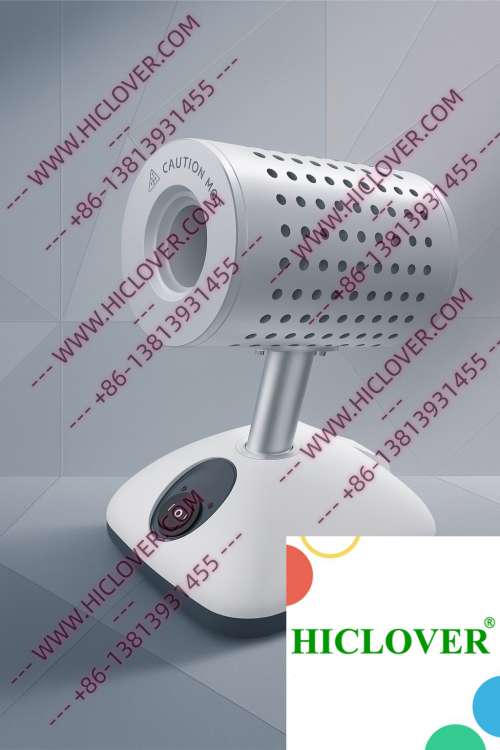
The Micro Incinerator is designed to use infrared heat for sterilization, providing a high-temperature environment for effective microbial destruction. Featuring an enclosed ceramic heating chamber, the device allows for precise temperature control, ensuring sterilization without the risk of open flames. This design minimizes the chance of generating aerosols, which is particularly vital for maintaining a clean environment in labs, especially those dealing with hazardous materials.
Operating the Micro Incinerator is straightforward and safe. The heated ceramic tube achieves rapid thermal sterilization, making it suitable for loop inoculation within seconds. Unlike traditional methods, the Micro Incinerator delivers a clean and efficient approach to sterilization, crucial in environments where time and safety are critical.
Applications in Laboratory Settings
Micro Incinerators find their utility in various laboratory environments:
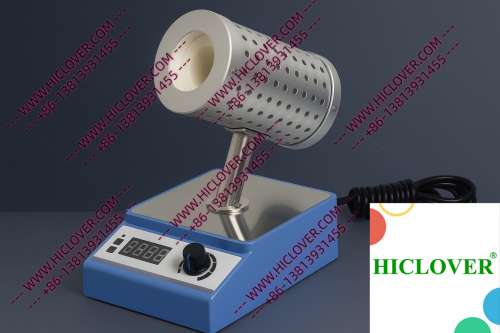
- Biosafety Cabinets: Within BSL-2 or BSL-3 microbiology labs, the Micro Incinerator serves as an essential tool for sterilizing inoculating loops without the risk of flame-induced contamination. It provides an aerosol-free handling method, which is crucial in high-stakes microbiological work.
- University Teaching Labs: In educational settings, instructors can use the Micro Incinerator to demonstrate sterile techniques to students safely. Its rapid operation becomes a significant teaching aid in microbiology courses, emphasizing safety and efficiency.
- Field Testing Labs: Mobile labs conducting field tests benefit immensely from the portability and reliability of the Micro Incinerator. In situations where access to electrical outlets may be limited, portable battery-operated models offer a significant advantage.
Compliance and Environmental Considerations
In addition to operational efficiency, compliance with international biosafety standards, such as those set by the World Health Organization (WHO), is critical in laboratory settings. The Micro Incinerator aligns with lab sterilization standards as it eliminates the need for open flames, making it an essential tool for maintaining safety within clean rooms and biohazard environments.
Furthermore, traditional flame sterilizers pose potential risk factors, including flame flares and higher contaminant exposure. Micro Incinerators, with their enclosed design and cleaner operational profile, significantly reduce these risks, ensuring compliance with relevant environmental health regulations.
Comparison: Micro Incinerator vs. Traditional Flame Sterilizers
| Feature | Micro Incinerator | Flame Sterilizers |
|---|---|---|
| Heat Source | Infrared | Open Flame |
| Cooling Time | Minimal; cools quickly | Longer; risk of overheating |
| Safety | Aerosol-free, no open flames | Potential hazards from fire |
| Portability | Highly portable; battery options available | Generally stationary |
| Ease of Use | User-friendly with precise control | Requires flame management |
FAQs about Micro Incinerators
- What types of sterilization do Micro Incinerators perform?
Micro Incinerators perform rapid thermal sterilization, making them ideal for disinfecting inoculating loops and similar tools in laboratories. - Can Micro Incinerators be used in BSL-3 labs?
Yes, Micro Incinerators are suitable for BSL-3 labs, offering a safe and effective method for sterilization without risking contamination. - What advantages do Micro Incinerators have over traditional flame sterilizers?
They provide safer aerosol-free handling, quicker cooling times, and are more portable with no risk of fire hazards. - How do I maintain a Micro Incinerator?
Routine maintenance is straightforward, including cleaning the ceramic tube after use to prevent build-up that may affect performance. - Are there specific laboratory applications suited for the Micro Incinerator?
Yes, they are ideal for biosafety cabinets, mobile testing labs, and even for educational use in university laboratories.
Conclusion
The importance of effective waste management and sterilization techniques cannot be overstated. Tokyo, as a leader in innovative waste management practices, sets an exemplary standard with the use of Micro Incinerators. Laboratory professionals and institutions looking to enhance their operational efficiency and safety should consider investing in high-quality Micro Incinerators. For inquiries and purchases, please feel free to contact us today to ensure your laboratory meets the highest safety and compliance standards.
Categories:
Tags: