
In laboratories around the globe, the increasing emphasis on biosafety and contamination control has heightened the demand for effective sterilization methods. Traditional flame sterilizers, such as Bunsen burners and alcohol lamps, have long been the go-to tools for lab technicians. However, space limitations, safety concerns, and environmental impact are steering many facilities toward modern solutions like Micro Incinerators, specifically Infrared Inoculating Loop Sterilizers. These innovative devices not only enhance sterilization workflows but also conform to biosafety standards, thus minimizing ecological footprints.
The Technical Principles Behind Micro Incinerators
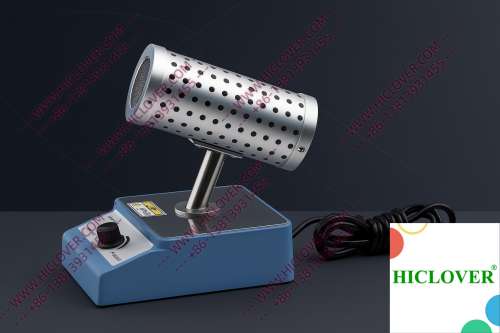
Micro Incinerators leverage rapid thermal sterilization through advanced infrared heating technology. Unlike flame-based sterilizers, which disperse heat unevenly and can produce dangerous fumes, these devices utilize an enclosed ceramic tube that generates high temperatures. The key components include:
- Infrared Heating Elements: These ensure instantaneous and uniform heating of inoculating loops, glassware, and other tools.
- Ceramic Heating Chamber: The enclosed design minimizes heat loss and maximizes thermal efficiency, making it a clean-bench-safe option.
- Aerosol-Free Handling: This design allows for contamination-free sterilization, crucial in sensitive environments like BSL-2 and BSL-3 labs.
This high-temperature disinfection method dramatically reduces the risk of laboratory-acquired infections, making it essential in both research and clinical settings.
Application Scenarios for Micro Incinerators
1. University Teaching Labs
Educational institutions often conduct microbiological assays that require sterilization of inoculating loops and glassware. Micro Incinerators fit perfectly within the workflow of university teaching labs, where safety and effectiveness are paramount. With infrared technology, students can quickly sterilize tools without the risk of an open flame, fostering a safe learning environment. Additionally, these devices are compact and portable, allowing for flexibility in varied laboratory layouts.
2. Field Testing Labs
Micro Incinerators are not just limited to traditional lab setups; they can be incredibly beneficial in field testing scenarios. For instance, NGOs conducting water quality assessments in remote locations need reliable sterilization methods. By using portable Micro Incinerators, teams can achieve effective sterilization on-site, ensuring accuracy and minimizing the risk of contamination. These mobile units substantially reduce the ecological footprint by using less energy and eliminating the need for disposable sterilization solutions.
Compliance and Environmental Considerations
Several regulatory bodies emphasize the importance of following biosafety standards. WHO guidelines, for instance, mandate effective sterilization techniques to mitigate biological hazards. Micro Incinerators meet these standards while also adhering to lab sterilization protocols, ensuring that facilities comply with both local and international guidelines.
The absence of an open flame also enhances safety in cleanrooms, where combustible materials and volatile substances are present. Unlike traditional methods, these sterilizers contribute to a less hazardous workspace, reducing the potential for harmful aerosols and fire risks. This is particularly pertinent in environments featuring CO₂ incubators or anaerobic chambers, where even minor disturbances can compromise experiments.
| Feature | Micro Incinerator | Traditional Flame Sterilizer |
|---|---|---|
| Heating Time | Rapid (seconds) | Long (several minutes) |
| Temperature Control | Precise | Variable |
| Environmental Impact | Low emissions | Higher emissions |
| Safety | No open flame | Open flame present |
| Usability in Cleanrooms | Ideal | Not permitted |
FAQs About Micro Incinerators
1. What is the advantage of using a Micro Incinerator over a Bunsen burner?
The Micro Incinerator provides faster sterilization with precise temperature control and eliminates the risks associated with open flames, making it safer for users.
2. Are Micro Incinerators compliant with lab safety regulations?
Yes, these devices are designed to meet WHO biosafety standards and other laboratory sterilization regulations, ensuring they align with safety requirements.
3. Can Micro Incinerators be used in field environments?
Absolutely! They are compact, portable, and do not require a power source, making them ideal for mobile testing labs.
4. How quickly can a Micro Incinerator sterilize a loop?
Micro Incinerators can achieve sterilization in mere seconds, significantly improving turnaround times compared to traditional methods.
5. Are there any maintenance needs for Micro Incinerators?
While they require minimal maintenance, regular cleaning of the ceramic heating chamber is recommended to ensure consistent performance.
Conclusion
As laboratories strive for improved biosafety and environmental responsibility, Micro Incinerators emerge as a superior choice for sterilization needs. Their compliance with international guidelines and reduced ecological footprint make them a game-changing solution in various settings, from teaching labs to field research operations. If you’re interested in enhancing your laboratory equipment with innovative Micro Incinerators, we invite you to get in touch for more information and support.
Categories:
Tags: