
In the fast-paced world of laboratory research, managing biosafety challenges and maintaining a sterile environment are paramount. One critical aspect of this work is effective waste management and sterilization. Traditional methods, such as alcohol lamps and Bunsen burners, while prevalent, pose significant hazards, including flame-related accidents and contamination. The latest shift towards using Micro Incinerators, specifically the Infrared Inoculating Loop Sterilizer, offers a state-of-the-art solution to enhance laboratory sterilization workflows.
Technical Principles of Micro Incinerators
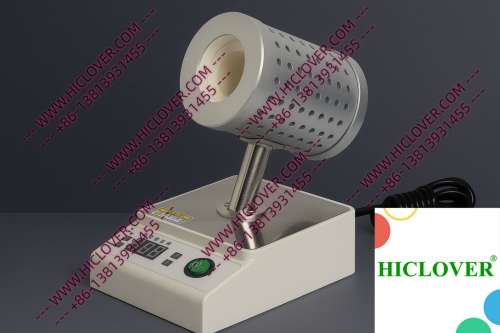
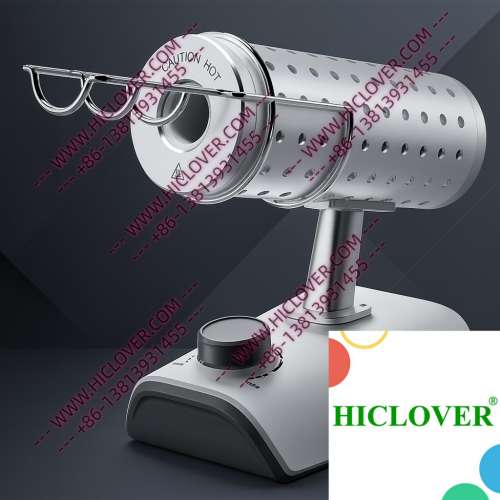
Micro Incinerators utilize the principle of rapid thermal sterilization through infrared technology. Unlike conventional flame-based systems, they harness an enclosed ceramic tube that generates infrared heat, providing a clean, controlled, and efficient means of sterilization. When an inoculating loop or other laboratory instruments are introduced into the ceramic heating chamber, the temperature can reach upwards of 800°C instantly. This high-temperature disinfection is effective in eliminating microbial contaminants quickly and without producing aerosols, making it ideal for sensitive environments.
Applications in Modern Labs
The versatility of Micro Incinerators enables their application across various laboratory settings:
- Biosafety Cabinets: In BSL-2 and BSL-3 labs in Beijing, where infection control is critical, the Micro Incinerator can be operated within the biosafety cabinets, ensuring that tools can be sterilized without the risk of flames contaminating the clean environment.
- Mobile Testing Laboratories: During field testing for environmental or clinical diagnostics, Micro Incinerators can be easily transported, allowing researchers to sterilize equipment on-site, which enhances workflow efficiency and laboratory safety.
- University Teaching Labs: They are extensively used in educational settings, where accurate teaching of sterile techniques is essential. The rapid sterilization process instills good laboratory practices among students.
Compliance and Environmental Considerations
Ensuring compliance with established biosafety standards is crucial for any laboratory operation. The World Health Organization (WHO) has set guidelines that emphasize minimizing risk in laboratories handling pathogens. Traditional flame sterilizers cannot meet the strict demands of sterilization without posing potential hazards like open flames. Furthermore, regulations for cleanrooms stipulate that no flame-based sterilization should occur in these controlled environments to prevent contamination and maintain sterility.
The Micro Incinerator significantly enhances compliance with laboratory sterilization standards while reducing the overall environmental footprint. By opting for this technology, facilities contribute to sustainable practices by decreasing hazardous waste associated with unwanted faunal materials.
Features Comparison: Micro Incinerator vs. Traditional Flame Sterilizers
| Feature | Micro Incinerator | Flame Sterilizers |
|---|---|---|
| Safety Level | High – No open flames; reduced risk of burns or fires | Moderate – Open flames pose burn and fire hazards |
| Efficiency | Instant heating and sterilization | Variable heating time; requires practice |
| Contamination Control | Aerosol-free handling | Potential for aerosol generation |
| Usability in Clean Rooms | Suitable | Not suitable |
| Waste Management | Minimal waste generation | Higher waste due to flammable materials |
FAQs About Micro Incinerators
1. How does a Micro Incinerator improve laboratory sterilization?
The Micro Incinerator provides a high-temperature, efficient sterilization method that eliminates the risks associated with flame usage, ensuring maximum biosafety in the laboratory.
2. Are there specific labs where Micro Incinerators are recommended?
Micro Incinerators are highly recommended for BSL-2 and BSL-3 laboratories, university teaching labs, and mobile testing labs operating in various field conditions.
3. How does the Micro Incinerator comply with environmental standards?
This equipment reduces hazardous waste production and prevents contamination in cleanroom settings, aligning with WHO guidelines for laboratory safety.
4. Can Micro Incinerators be used in teaching labs?
Yes, they are particularly beneficial in teaching settings as they allow students to learn proper sterilization techniques without the dangers associated with flame sterilization.
5. What is the operational cost of a Micro Incinerator compared to traditional methods?
While the initial investment may be higher, the operational costs of reduced waste disposal, enhanced safety, and increased efficiency typically lead to long-term savings.
Conclusion
The adoption of Micro Incinerators in laboratories showcases a commendable shift toward enhancing safety, efficiency, and compliance in biosafety and sterilization practices. By replacing traditional flame sterilization methods with Infrared Inoculating Loop Sterilizers, research facilities can significantly improve their workflows while ensuring a safer and more environmentally friendly laboratory environment.
For laboratories in Beijing and beyond, investing in Micro Incinerators is a step towards modernizing sterilization techniques. Contact us today to learn more about acquiring Micro Incinerator technology and lift your laboratory’s standards to new heights.
Categories:
Tags: