
In the bustling city of Mumbai, one of the major challenges faced by laboratories is biosafety and waste management, particularly in the context of medical and research facilities. As urbanization continues to rise, the strain on landfill sites has become progressively alarming. Traditional waste disposal methods often contribute to environmental degradation, highlighting the urgent need for innovative solutions in waste management. Among these, the Micro Incinerator, specifically the Infrared Inoculating Loop Sterilizer, has emerged as a revolutionary tool that promises not only to streamline sterilization processes but also to play a critical role in reducing landfill burdens.
Laboratory Biosafety Challenges and Sterilization Workflow
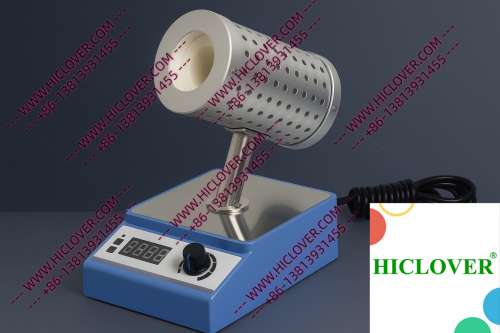
Laboratories, particularly those working at BSL-2 and BSL-3 levels, face unique biosafety challenges, including the risk of contamination and the generation of biohazardous waste. As such, effective waste disposal means ensuring the complete sterilization of tools and materials used in experimentation. The conventional method of sterilization using flame—such as Bunsen burners and alcohol lamps—has inherent drawbacks: the risk of fire, incomplete sterilization, and the production of fumes. With the current landscape, where efficient and safe sterilization is vital, Micro Incinerators present a compelling alternative.
Technical Principles Behind Micro Incinerators
Micro Incinerators utilize infrared heat as their primary mechanism for sterilization. The core of these devices is an enclosed ceramic heating chamber that can reach high temperatures rapidly, ensuring effective thermal sterilization within seconds. Unlike traditional flame sterilizers, the infrared technology allows for a controlled, clean, and precise heat application without the risk of open flames, making it ideal for use in cleanrooms and sensitive laboratory environments.
Key Features of Micro Incinerators
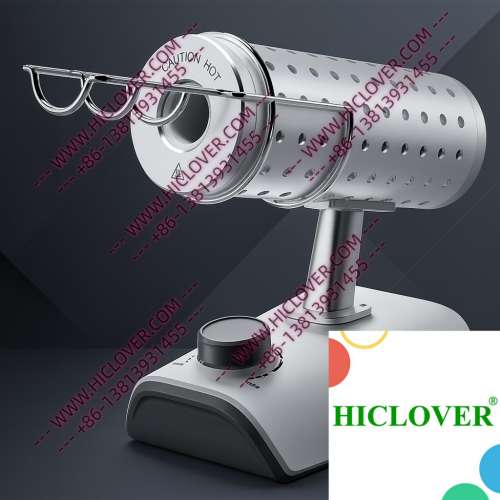
- Rapid thermal sterilization within seconds.
- Enclosed heating mechanism to prevent contamination.
- Aerosol-free handling of inoculating loops and other tools.
- Lightweight and portable for field applications.
- Low maintenance requirements with easy-to-clean ceramic surfaces.
Applications in Real Laboratories
1. Biosafety Cabinets
In laboratories equipped with biosafety cabinets, the Micro Incinerator provides a compact solution for in-situ sterilization of instruments. By placing the incinerator inside the cabinet, lab personnel can efficiently sterilize inoculating loops and other tools without risking contamination from external sources. This practice not only enhances safety but also simplifies workflows, allowing researchers to focus on their experiments rather than sterilization concerns.
2. Field Testing Laboratories
The portability of the Infrared Inoculating Loop Sterilizer makes it particularly valuable for field testing labs, where scientists collect samples in various environments. Being lightweight and easy to use, it allows researchers to sterilize tools on-site, ensuring that no cross-contamination occurs while maintaining the integrity of samples. This feature is crucial for ensuring compliance with strict environmental standards, as it minimizes waste generation.
Compliance and Environmental Accountability
When adopting any sterilization equipment, compliance with established regulations is essential. The World Health Organization (WHO) sets forth guidelines regarding biosafety practices in laboratories, emphasizing the importance of effective waste management and sterilization procedures to eliminate biological contaminants. Moreover, the development of sterile environments in cleanrooms must adhere to stringent lab sterilization standards necessitating non-flame technologies to maintain air quality and prevent hazards.
By using Micro Incinerators, laboratories in Mumbai can align with both local and international biosafety standards. The reduction in reliance on gas-based sterilization methods not only ensures compliance but also contributes to reducing landfill waste, as there is less disposable equipment and materials entering the waste stream.
Comparison Table: Micro Incinerator vs. Flame Burners
| Feature | Micro Incinerator | Flame Burners |
|---|---|---|
| Heating Mechanism | Infrared Heating | Open Flame |
| Safety | No open flames, low risk of fire | High risk of accidents |
| Efficiency | Rapid, uniform heating | Inconsistent, slower heating |
| Environmental Impact | Minimal waste generation | Higher waste and emissions |
| Portability | Highly portable | Less portable |
Frequently Asked Questions (FAQs)
1. How does a Micro Incinerator contribute to waste reduction?
Micro Incinerators reduce waste by sterilizing and eliminating the need for disposable items, thus decreasing the overall amount of laboratory waste directed to landfills.
2. Are Micro Incinerators safe for use in cleanrooms?
Yes, Micro Incinerators are designed for cleanroom applications due to their enclosed heating mechanism, which eliminates the risks associated with open flames.
3. What materials can be sterilized using an Infrared Inoculating Loop Sterilizer?
This device can effectively sterilize metal inoculating loops, forceps, and other reusable lab instruments.
4. How long does it take to sterilize an instrument using a Micro Incinerator?
Most instruments can be sterilized in just a few seconds, making it an efficient option for busy laboratories.
5. What maintenance is required for a Micro Incinerator?
Maintenance is minimal; regular cleaning of the ceramic chamber and ensuring that the power source is intact is typically sufficient to keep the device functioning optimally.
Conclusion
Micro Incinerators represent a substantial advancement in laboratory sterilization technology, combining safety, efficiency, and compliance in a compact design. With Mumbai’s commitment to reducing landfill burdens and promoting sustainable waste management, integrating these devices into laboratory practices is not just a smart choice—it is a necessary step towards a more environmentally responsible future. Contact us today to explore how our Infrared Inoculating Loop Sterilizers can enhance your laboratory’s performance and sustainability.
Categories:
Tags: