
As nations strive for sustainable development, managing laboratory waste has become a significant challenge, particularly in developing regions like Ghana. Laboratory biosafety must not only comply with international standards but also address the increasing volume of waste generated in microbiology, clinical diagnostics, and teaching labs. Traditional sterilization methods, such as alcohol lamps and Bunsen burners, pose various challenges, including incomplete sterilization and contamination risks. Enter the Micro Incinerator, a revolutionary solution for sterilization that fits neatly within the modern waste management landscape.
Laboratory Biosafety Challenges and Sterilization Workflow Demands
Laboratories, particularly those operating at BSL-2 and BSL-3 levels, face stringent biosafety challenges. Efficient sterilization is crucial to prevent contamination in sensitive environments, ensuring both laboratory personnel safety and the integrity of experiments. Traditional flame-based sterilizers can create aerosols, which may compromise biosafety cabinet conditions. Moreover, their use is often limited in clean rooms and enclosed spaces where contamination control is paramount.
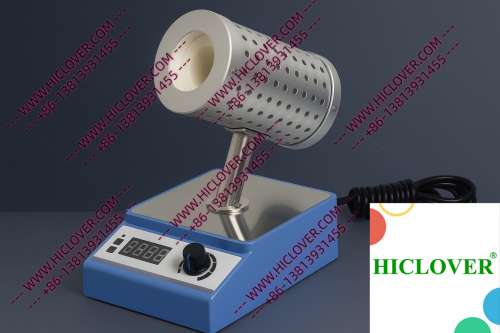
The Micro Incinerator / Infrared Inoculating Loop Sterilizer is engineered to meet these demands efficiently. Utilizing advanced infrared heat, its enclosed ceramic heating chamber offers a clean, rapid thermal sterilization process that is clean-bench-safe and minimizes the risks associated with open flames.
How Micro Incinerators Work
The Micro Incinerator operates on the principle of infrared radiation. Unlike traditional flame sterilizers, which rely on combustion, the ceramic heating chamber delivers targeted, high-temperature disinfection without producing harmful gases or residues. Its design incorporates an effective switching mechanism that allows for quick heating and cooling cycles, ensuring the sterilization process is both effective and energy-efficient.
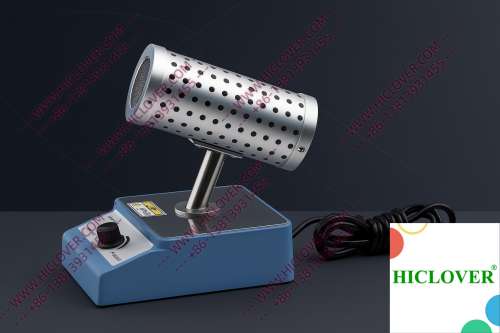
This system supports real-time temperature monitoring and can reach sterilizing temperatures far exceeding what typical Bunsen burners offer. It enables labs not only to eliminate pathogens swiftly but also to maintain a safer and more controlled environment.
Applications of Micro Incinerators in Laboratories
The flexibility of the Micro Incinerator allows for its application across various laboratory settings. Here are two prominent scenarios:
- Biosafety Cabinets: In BSL-2 and BSL-3 labs, where aerosol generation is a concern, the Micro Incinerator’s flame-free operation minimizes contamination risk. Samples can be sterilized directly within cleanroom environments, ensuring sterile conditions are maintained without the hazards associated with flame-based systems.
- Field Testing Labs: Mobile laboratories can drastically benefit from using Micro Incinerators due to their compact size and lightweight design. In locations where waste disposal facilities are inadequate, these sterilizers ensure that biological waste is eradicated on-site before disposal, thus supporting environmental safety measures in Ghana.
Compliance and Environmental Considerations
As the Ghanaian government aligns its policies with WHO biosafety standards, laboratories adopting Micro Incinerators can significantly enhance their compliance posture. The ability to operate without an open flame allows researchers and workers to adhere to stringent lab sterilization standards effectively. In hospitals and clinical diagnostics settings, the absence of potentially harmful smoke and residues further bolsters these efforts.
Furthermore, the integration of Micro Incinerators contributes to environmental sustainability. By converting biological waste into a harmless vapor during the sterilization process, they reduce reliance on landfills and mitigate the insidious problem of waste accumulation, particularly in urban areas.
Micro Incinerator vs. Traditional Flame Sterilizers
| Feature | Micro Incinerator | Flame Sterilizers |
|---|---|---|
| Heat Source | Infrared | Open Flame |
| Controlled Environment | Yes | No |
| Emission of Gases | None | Yes |
| On-Site Waste Disposal | Yes | No |
| Sterilization Time | Rapid | Longer |
Frequently Asked Questions
- What makes the Micro Incinerator more efficient than traditional burners? The Micro Incinerator uses targeted infrared technology, providing quicker and more effective sterilization without creating aerosols.
- Can Micro Incinerators be used in teaching laboratories? Yes, they are ideal for educational environments where demonstrations of safe laboratory practices and efficient waste management are essential.
- Are there specific training requirements to operate a Micro Incinerator? While basic training is advisable to understand operation and safety protocols, they are designed for straightforward use without specialized skill.
- How do Micro Incinerators contribute to environmental sustainability? They facilitate on-site sterilization, which reduces the volume of waste directed to landfills and minimizes contamination risks.
- What safety standards do Micro Incinerators comply with? Micro Incinerators align with WHO biosafety regulations and sterilization standards, ensuring safe laboratory operations across various biosafety levels.
Conclusion
As Ghana continues its efforts to reduce landfill dependence and embrace sustainable waste management solutions, the adoption of Micro Incinerators in laboratories can significantly improve sterilization efficacy and safety. With advanced technology that surpasses traditional methods, these devices offer compliance with global standards while protecting both the environment and laboratory personnel.
For organizations and institutions seeking to enhance their sterilization practices, contact us today to discuss procurement options or to learn more about how Micro Incinerators can be integrated into your waste management strategy.
Categories:
Tags: