
The challenge of laboratory biosafety and the demands for sterilization workflows have become paramount in today’s research and clinical environments. With increasing waste production and environmental concerns in Thailand, the need for innovative waste management solutions is evident. Micro incinerators, such as the Infrared Inoculating Loop Sterilizer, emerge as a viable option to not only meet laboratory standards but also to support sustainable waste practices while minimizing our landfill dependence.
Understanding the Micro Incinerator’s Technical Principles
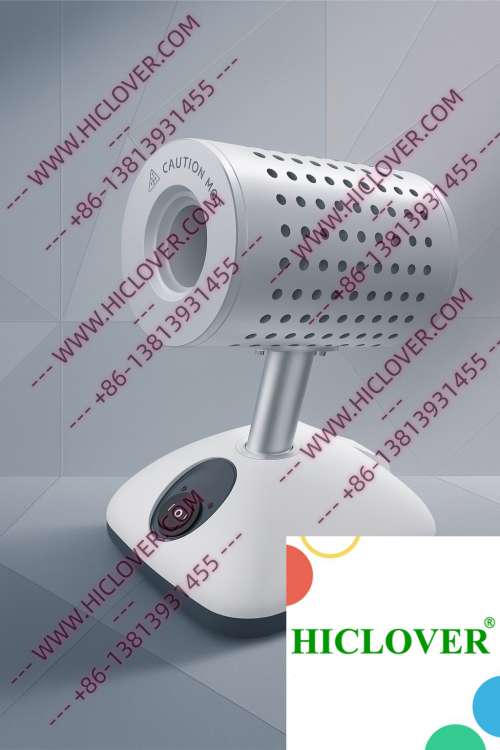
The Infrared Inoculating Loop Sterilizer operates using advanced infrared technology, which offers several advantages over traditional sterilization methods. Its enclosed ceramic heating chamber provides rapid thermal sterilization, making it highly effective in disinfection. Unlike flame-based sterilizers like alcohol lamps or Bunsen burners, this device produces infrared high-temperature disinfection that is clean-bench-safe and facilitates aerosol-free handling. This technology ensures that laboratory personnel can operate with greater safety and efficiency, reducing the risk of contamination and enhancing overall workflow.
Key Features of the Micro Incinerator
- Rapid Sterilization: Achieves sterilization in seconds, thereby increasing throughput.
- Environmentally Friendly: Reduces reliance on traditional waste processing methods.
- Compact Design: Fits easily in various lab settings without consuming excessive space.
- Low Energy Consumption: More efficient than traditional flame-based sterilizers.
- Enhanced Safety: Minimizes combustion risk, particularly in sensitive environments.
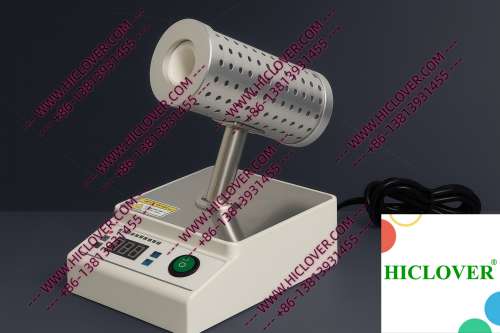
Application Scenarios in Modern Laboratories
The utilization of Micro Incinerators is becoming increasingly relevant in various laboratory environments, such as:
1. University Teaching Labs
In educational institutions in Thailand, where students are introduced to microbiological techniques, the Micro Incinerator facilitates safe and efficient sterilization of inoculating loops within biosafety cabinets. It ensures that students can focus on learning without the added stress of working with open flames, which poses significant risk in educational labs.
2. BSL-2 and BSL-3 Microbiology Labs
BSL-2 and BSL-3 labs pose considerable biosafety challenges, and the need for dependable sterilization equipment is critical. The Micro Incinerator provides a robust solution for decontaminating tools and materials quickly and effectively. Its absence of flames and emissions contributes to a safer work environment where hazardous pathogens are handled cautiously.
Compliance and Environmental Considerations
Adhering to recognized biosafety standards is not just mandatory; it is essential to guarantee both safety and compliance. The World Health Organization (WHO) has strict guidelines for laboratory safety, emphasizing the significance of effective sterilization practices. Traditional flame sterilizers pose potential risks in clean rooms and controlled environments due to the production of aerosols and contamination. The Micro Incinerator avoids these issues by offering a flame-free solution, aligning with laboratory sterilization standards and ensuring compliance in both university settings and research facilities.
A Comparative Overview
Micro Incinerator vs. Flame Burners
| Feature | Micro Incinerator | Flame Burners |
|---|---|---|
| Sterilization Time | Seconds | Varies, typically longer |
| Safety | Flame-free operation | Fire hazards |
| Space Efficiency | Compact design | Requires more space |
| Energy Consumption | Low | Generally higher |
| Environmental Impact | Lower, reduces waste | Higher, promotes landfill use |
Frequently Asked Questions
What is a Micro Incinerator and how does it work?
A Micro Incinerator is a sterilization device that uses infrared heat to rapidly disinfect inoculating loops and other small laboratory tools. It operates without open flames, reducing contamination risk.
How does this device contribute to reducing landfill dependence?
By providing an alternative to traditional waste disposal methods, such as incineration in large-scale facilities, the Micro Incinerator allows laboratories to safely sterilize and dispose of waste on-site, minimizing waste sent to landfills.
Is the Micro Incinerator compliant with international biosafety standards?
Yes, the Micro Incinerator meets WHO biosafety standards and other laboratory sterilization protocols, ensuring the safety and efficiency of sterilization processes.
Can the Micro Incinerator be used in field testing labs?
Absolutely! Its compact size and portable design make it ideal for field testing, where traditional sterilization methods might be impractical.
What are the typical maintenance needs for a Micro Incinerator?
Maintenance is minimal, primarily involving regular cleaning of the ceramic tube and inspection of heating elements. Regular checks ensure optimal performance and longevity of the device.
Conclusion
In light of the crucial need to reduce landfill dependence and improve waste management practices in Thailand, the adoption of Micro Incinerators stands as a strategic solution. These advanced sterilization devices not only enhance laboratory efficiency but also uphold environmental responsibilities. Embrace this innovative technology today to elevate your workspace and contribute to sustainability efforts. For inquiries or to purchase your Micro Incinerator, don’t hesitate to reach out to our sales team.
Categories:
Tags: