
As the world grapples with the ongoing challenges of waste management, South Korea has turned its attention to innovative technologies capable of mitigating landfill impact. One such advancement is the Micro Incinerator/Infrared Inoculating Loop Sterilizer, specifically designed for the laboratory environment. This remarkable technology not only addresses biosafety challenges faced in various laboratory settings but also enhances sterilization workflows, paving the way for a greener future.
Laboratory Challenges: The Need for Effective Sterilization
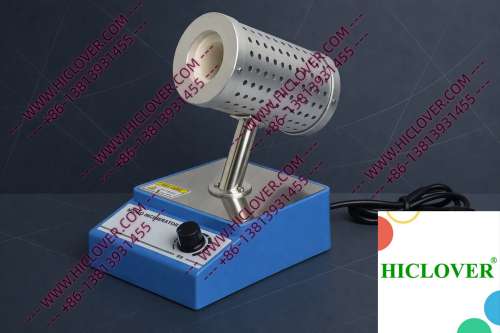
In today’s laboratory settings, where biosafety is paramount, the need for efficient sterilization processes has never been greater. Traditional flame sterilizers, such as alcohol lamps and Bunsen burners, pose significant risks, including open flames, aerosol generation, and inconsistent sterilization temperatures. In contrast, the Micro Incinerator offers a safer and more reliable alternative with its infrared heating technology, eliminating many of the hazards associated with conventional methods.
Technical Principles of the Micro Incinerator
At the core of the Micro Incinerator’s design is its enclosed ceramic tube, which utilizes rapid thermal sterilization through infrared heat. The unit operates at high temperatures, ensuring efficient and swift disinfection of inoculating loops, culture tools, and other lab implements. Unlike flame-based methods, the Micro Incinerator produces no open flames, significantly reducing the risk of accidental fire in clean bench environments. Moreover, this technology ensures optimal temperature control, minimizing the possibility of overheating sensitive materials.
Configurations and Features
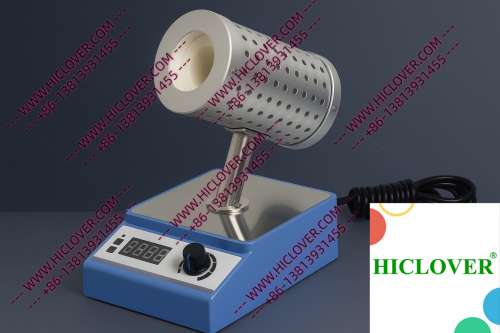
- Temperature Range: Operates at temperatures up to 800°C, allowing for rapid disinfection.
- Compact Design: Space-saving and ergonomic design suitable for small lab spaces.
- Energy Efficient: Lower energy consumption compared to traditional flame sterilizers.
- Safe Operation: No flames, reduced risk of contamination, and safe for clean environments.
Application Scenarios in Real Labs
Biosafety Cabinets
In BSL-2 and BSL-3 microbiological laboratories, where strict biosafety protocols are critical, the Micro Incinerator excels in providing a controlled sterilization environment. Located within a biosafety cabinet, it effectively sterilizes tools without generating aerosols, ensuring the safety of laboratory personnel and preventing cross-contamination.
Teaching Laboratories
In academic settings, such as university teaching labs, the Micro Incinerator serves as an excellent educational tool. Instructors can demonstrate sterile techniques without the risks associated with flame sterilizers. Furthermore, the compact and efficient design fits seamlessly into instructional workflows, allowing students to focus on learning rather than managing hazards.
Compliance and Environmental Considerations
The adoption of Micro Incinerators aligns with international biosafety standards, making it a preferred choice in laboratories aiming for compliance with organizations such as the WHO. According to lab sterilization guidelines, equipment must not only ensure effective disinfection but also minimize risks associated with open flames in cleanrooms. This technology meets these standards, ensuring that labs remain up to code while contributing to a reduction in waste through cleaner sterilization methods.
Advantages Over Traditional Flame Sterilizers
| Feature | Micro Incinerator | Flame Sterilizers |
|---|---|---|
| Open Flame | No | Yes |
| Aerosol Generation | No | Yes |
| Temperature Accuracy | High | Variable |
| Safety in Clean Rooms | High | Low |
FAQs
What is the primary advantage of using a Micro Incinerator?
The Micro Incinerator provides rapid thermal sterilization without the risks associated with open flames, such as aerosol generation and potential cross-contamination.
Can the Micro Incinerator be used in BSL-2 or BSL-3 labs?
Yes, it is designed to meet biosafety compliance and can safely be utilized in BSL-2 and BSL-3 microbiology labs.
How does the infrared technology improve sterilization efficiency?
Infrared technology allows for precise temperature control, ensuring that materials are effectively sterilized within seconds, unlike traditional methods that may vary in temperature and efficiency.
Is the Micro Incinerator portable for field testing?
While primarily designed for laboratory use, the compact nature of the Micro Incinerator makes it a feasible option for mobile or field testing applications where safe sterilization is critical.
What certifications should laboratories look for in sterilization equipment?
Laboratories should ensure that their sterilization equipment meets international biosafety standards, such as those set by the WHO, and complies with relevant local regulations.
Conclusion
The Micro Incinerator/Infrared Inoculating Loop Sterilizer represents a significant advancement in laboratory sterilization technology, especially in South Korea’s ambitious efforts to reduce landfill waste impact. By transitioning to this innovative solution, laboratories can enhance their workflows, ensure compliance with biosafety standards, and protect their personnel—all while making strides toward a more sustainable future. If you are interested in revolutionizing your lab’s sterilization process, don’t hesitate to reach out for more information!
Categories:
Tags: