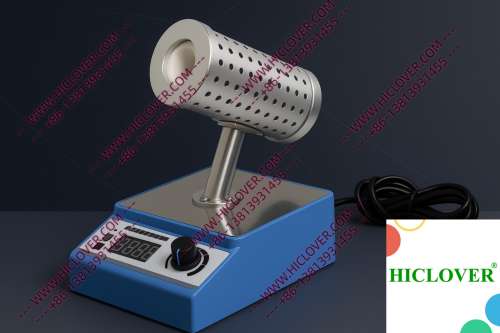
In recent years, Brazil has confronted significant challenges related to waste management and pollution control. Laboratories, particularly in urban areas, generate substantial amounts of biowaste that require efficient disposal methods to ensure environmental safety and regulatory compliance. The introduction of state-of-the-art sterilization tools, such as the Micro Incinerator or Infrared Inoculating Loop Sterilizer, has emerged as an innovative solution to enhance laboratory biosafety while minimizing pollution. This article explores the technical principles, applications, and compliance standards surrounding these essential devices.
Practical Laboratory Biosafety Challenges
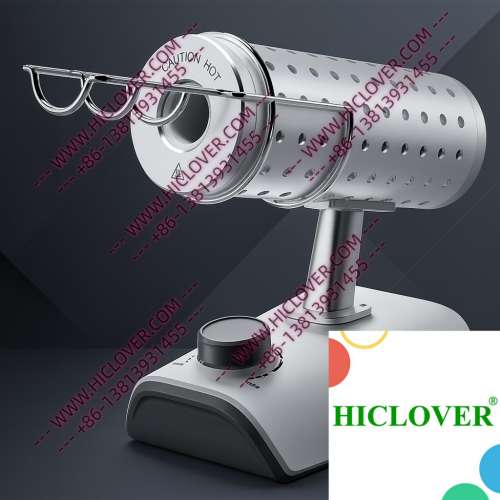
Laboratories across Brazil, especially those operating under Biosafety Level 2 (BSL-2) and Biosafety Level 3 (BSL-3) protocols, face numerous biosafety challenges. Ensuring rapid thermal sterilization while preventing cross-contamination and maintaining a clean working environment is crucial. Traditional flame sterilizers, such as alcohol lamps and Bunsen burners, often pose risks related to flammable materials and can compromise cleanroom protocols. In contrast, micro incinerators utilize infrared heat, providing a flame-free solution that addresses these pressing concerns.
Principles of Micro Incinerators
The Micro Incinerator operates through an innovative design combining an enclosed ceramic heating chamber with infrared radiation technology. When activated, it generates high temperatures rapidly, allowing for effective and efficient sterilization of inoculating loops, needles, and other lab instruments.
- Rapid thermal sterilization: Instantly reaches sterilization temperatures, drastically reducing wait times.
- Aerosol-free handling: Minimizes the risk of contamination during sterilization.
- Clean-bench-safe: Suitable for use in biosafety cabinets and sterile environments.
Applications of Micro Incinerators in Laboratories
1. Classroom Learning Environments
In university teaching labs across Brazil, the need for hands-on training in microbiology is paramount. The Micro Incinerator is indispensable for students learning aseptic techniques. Its user-friendly design enables students to swiftly sterilize their tools, observe the process, and understand the importance of maintaining a contamination-free workflow.
2. Field Testing and Mobile Laboratories
Mobile laboratories and field testing scenarios are becoming increasingly important for clinical diagnostics and environmental sampling. The portability of micro incinerators makes them ideal for deployment in remote areas or during short-term research deployments. They allow researchers to efficiently sterilize instruments on-site, ensuring that samples are collected and handled under optimal conditions.
Compliance with Environmental and Biosafety Standards
Health organizations like the World Health Organization (WHO) emphasize the importance of compliance with biosafety and sterilization standards in laboratory environments. Micro incinerators meet stringent guidelines by providing a safe and efficient method of sterilization without the risks associated with open flames. In clean rooms, where contamination control is critical, using a device that eliminates the combustion process is a major advancement over traditional methods.
| Feature | Micro Incinerator | Flame Burners |
|---|---|---|
| Heat Source | Infrared Technology | Open Flame |
| Efficiency | Rapid sterilization | Variable; slower |
| Contamination Risk | Low | High |
| Operational Safety | Flame-free | Flame hazards |
| Cleanup | Minimal | Extensive |
FAQs
What are the primary benefits of using a Micro Incinerator compared to traditional sterilizers?
The main advantages include rapid thermal sterilization, reduced contamination risks, flame-free operation, and versatility across various laboratory settings.
Can the Micro Incinerator be used in cleanroom environments?
Yes, the Micro Incinerator is designed for use in clean bench environments and meets the necessary standards for contamination control.
How does the Micro Incinerator operate?
The device employs infrared heat technology within an enclosed ceramic tube to achieve high sterilization temperatures without producing flame.
Are there compliance standards for laboratory sterilization in Brazil?
Yes, sterilization practices must adhere to guidelines set forth by organizations like WHO as well as local biosafety regulations.
What types of materials can be sterilized using a Micro Incinerator?
The Micro Incinerator is effective for sterilizing inoculating loops, needles, and other non-flammable laboratory tools.
Conclusion
As Brazilian cities continue to combat pollution and improve waste management in laboratory settings, adopting technologies like the Micro Incinerator represents a significant step forward. This innovative tool not only enhances biosafety and compliance with international standards but also transforms laboratory operations by enabling rapid and efficient sterilization processes. For distributors, hospitals, universities, and research centers looking to upgrade their sterilization equipment, the Micro Incinerator is an investment that promises improved safety and sustainability. Reach out to us today to learn more about how the Micro Incinerator can elevate your laboratory’s capabilities!
Categories:
Tags: