
Laboratory environments, particularly in microbiology and clinical settings, face significant biosafety challenges. Handling infectious agents requires stringent sterilization protocols to prevent contamination and ensure safe disposal of waste. This is where advanced sterilization equipment like micro incinerators come into play. Specifically, the Micro Incinerator / Infrared Inoculating Loop Sterilizer addresses the pressing demands for effective and environmentally-friendly waste management.
Understanding the Technical Principles
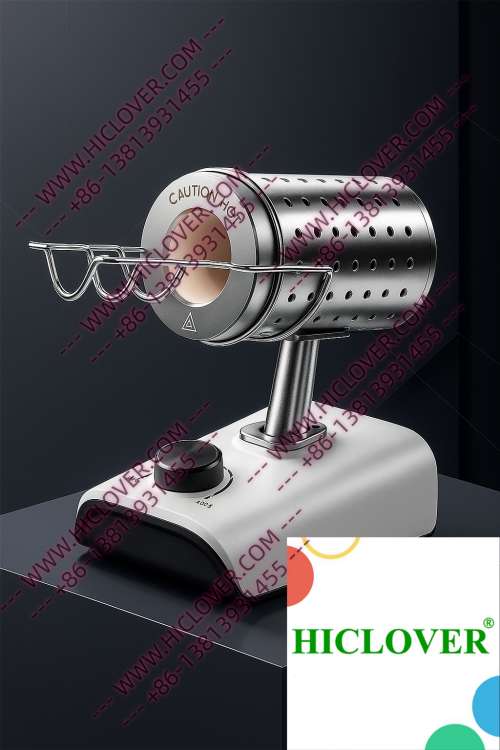
The micro incinerator utilizes infrared heat technology, which is fundamentally different from traditional flame-based sterilization methods. By employing an enclosed ceramic tube, the device generates high temperatures rapidly, ensuring thorough sterilization without the risks associated with open flames. This method eliminates the possibility of aerosol generation, making it exceptionally safe in cleanroom settings.
In contrast to conventional alcohol lamps or Bunsen burners, which not only pose a fire hazard but also have a slower sterilization timeframe, micro incinerators provide rapid thermal sterilization. The enclosed design allows for a controlled thermal environment, effectively neutralizing pathogens while minimizing the release of harmful emissions.
Applications in Real Laboratory Scenarios
1. Biosafety Cabinets
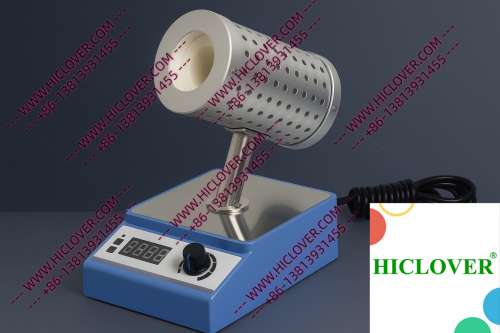
In the stringent environment of BSL-2 and BSL-3 microbiology labs, the need for contamination control is paramount. Micro incinerators can be effectively used to sterilize inoculating loops, syringes, and other instruments without the risk of flame reaching sensitive lab equipment. As aerosol-free devices, they ensure that biological safety cabinets remain contamination-free while facilitating swift sterilization between experiments.
2. Field Testing and Teaching Labs
Mobile or field testing labs often face logistical challenges, including limited access to traditional sterilization methods. Here, micro incinerators shine due to their portability and ease of use. In teaching labs, they allow students to learn proper sterility techniques while safely handling microbial cultures without the dangers associated with open flames.
Compliance with Biosafety and Environmental Standards
When selecting a sterilization method, compliance with both WHO biosafety standards and national lab sterilization regulations is crucial. The Micro Incinerator adheres to these guidelines by avoiding the use of flames, which are prohibited in clean rooms to maintain air quality and prevent contamination. Additionally, the micro incinerator reduces carbon footprint and pollution, reinforcing sustainable waste management practices in Bangladesh and similar regions facing environmental concerns.
Comparison: Micro Incinerator vs. Flame Burners
| Feature | Micro Incinerator | Flame Burners |
|---|---|---|
| Heat Generation | Infrared, rapid thermal sterilization | Open flame, slower |
| Safety | Aerosol-free handling, enclosed design | Fire hazard, potential for contamination |
| Environmental Impact | Lower emissions | Higher emissions due to combustion |
| Thermal Control | Very precise, consistent | Variable, dependent on user |
Why Micro Incinerators Are Key to Modern Lab Operations
As we look towards improving laboratory workflows, the significant advantages of micro incinerators must not be overlooked. They not only foster an environment conducive to contamination control but also adhere to evolving safety regulations and standards. This is particularly vital in educational institutions and research organizations in Bangladesh where lab training and clean operations are becoming increasingly paramount.
FAQs
- What are the main benefits of using a micro incinerator? – Micro incinerators provide rapid sterilization without flame hazards, ensuring safety and compliance with biosafety standards.
- Can micro incinerators be used in field testing? – Yes, their portable design and ease of use make them ideal for mobile labs and field testing environments.
- How do micro incinerators minimize environmental impact? – By operating without flames, they reduce emissions and contribute to more sustainable waste management.
- What kind of instruments can I sterilize with a micro incinerator? – They are suitable for sterilizing inoculating loops, syringes, and various lab tools.
Conclusion
The advancement of sterilization technology through micro incinerators represents a crucial development in the battle against waste pollution, especially in developing nations like Bangladesh. By investing in efficient and environmentally responsible sterilization solutions, laboratories can not only enhance their operational safety but also contribute to broader ecological goals. For more information on how to integrate micro incinerators into your laboratory infrastructure, feel free to reach out to us. We are ready to assist with your sterilization needs!
Categories:
Tags: