
In today’s fast-paced laboratory environment, biosafety challenges present significant risks to researchers and the integrity of experiments. Ensuring effective sterilization procedures is paramount, particularly when working with live cultures. Enter the micro-incinerator, specifically the Infrared Inoculating Loop Sterilizer, which offers a reliable solution for rapid thermal sterilization and contamination control.
Laboratory Sterilization: Facing the Challenges
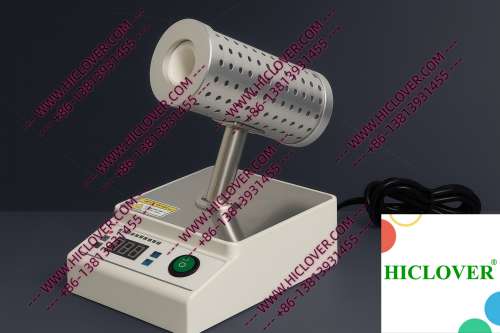
Laboratories, whether they are BSL-2, BSL-3, or even university teaching labs, often face stringent sterilization workflow demands. Traditional methodologies, such as flame sterilizers including alcohol lamps and Bunsen burners, pose certain limitations: they can be unsafe in clean rooms, produce aerosols, and risk contamination. With increasing pressure for rapid turnover and decreased contamination risks, the development of more sophisticated sterilization tools, like the Infrared Inoculating Loop Sterilizer, has become essential.
Technical Principles Behind the Micro-Incinerator
The Infrared Inoculating Loop Sterilizer operates based on an innovative infrared heating principle. Unlike conventional flame-based sterilizers, it utilizes an enclosed ceramic tube that generates high temperatures without producing any flame, thus eliminating the risk of aerosol production. The rapid thermal sterilization process effectively penetrates the inoculating loop, ensuring thorough sterilization in just a few seconds. This device is optimal for clean-bench-safe environments where contamination control is critical.
- Enclosed ceramic heating chamber: Containment reduces risk.
- Instant heat up: Cuts down wait times drastically.
- No flame: Ensures compliance in clean room settings.
- What is the primary advantage of using a micro-incinerator over a traditional flame burner? The primary advantage is the reduction of contamination risks and improved safety as it eliminates aerosols and provides immediate sterilization without flames.
- Can micro-incinerators be used in teaching laboratories? Absolutely! They are ideal for educational settings where students can learn about sterile techniques safely.
- Are micro-incinerators compliant with WHO biosafety standards? Yes, they meet rigorous sterilization standards suitable for various laboratory levels, including BSL-2 and BSL-3.
- How does the sterilization process work? The device uses infrared heat to rapidly sterilize inoculating loops, allowing for effective disinfection in just a few seconds.
- Where is the best place to use a micro-incinerator? Suitable locations include inside biosafety cabinets, teaching laboratories, and clinical diagnostics setups.
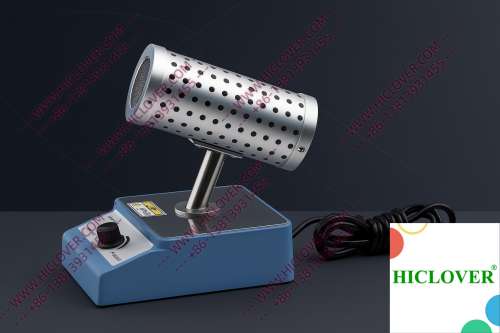
Application Scenarios of Micro-Incinerators
1. Biosafety Cabinets
In a BSL-2 microbiology lab, where organisms pose moderate hazards, the Micro Incinerator provides precise sterilization during culture transfers. Located inside a biosafety cabinet, it enables researchers to employ aerosol-free handling techniques, increasing safety while working with pathogenic organisms. The compact design allows it to fit seamlessly in any sterile environment, promoting rapid workflows without interruption.
2. Teaching Laboratories
In university teaching labs, where students frequently perform culture experiments, the Infrared Inoculating Loop Sterilizer enhances educational experiences by demonstrating safe and effective sterilization methods. The ability for students to see the sterilization process in real-time fosters a greater understanding of contamination control principles, which are crucial for future careers in research and clinical diagnostics.
Compliance and Environmental Considerations
With the increasingly stringent WHO biosafety regulations and laboratory sterilization standards, the relevance of a flame-free sterilization device has never been clearer. Traditional open flames pose risks in clean environments, contributing to fire hazards and potential contamination via aerosols. The Infrared Inoculating Loop Sterilizer complies with these standards by providing a safe and effective sterilization process. In many regions, including urban laboratories in cities like London or Tokyo, adherence to zero-flame policies in sensitive operational areas is paramount.
Comparison: Micro Incinerator vs. Flame Burners
| Features | Micro Incinerator | Flame Burners |
|---|---|---|
| Heat Source | Infrared Ceramic Tube | Open Flame |
| Risk of Aerosols | No | Yes |
| Heat Up Time | Instant | Variable |
| Clean Room Compatibility | Yes | No |
| Operational Safety | High | Moderate |
FAQs About Micro-Incinerators
Conclusion
In conclusion, as laboratory demands evolve, it’s vital to adopt equipment that addresses both efficiency and safety. The Infrared Inoculating Loop Sterilizer stands at the forefront of revolutionizing laboratory sterilization practices. By incorporating this advanced technology, laboratories can significantly diminish risks while enhancing workflows. For more information on acquiring a high-quality Micro Incinerator, or to make a purchase, please do not hesitate to contact us for expert assistance.
Categories:
Tags: