
In contemporary laboratory settings, biosafety challenges and sterilization workflow demands are more prominent than ever. Researchers and scientists are under constant pressure to minimize contamination risk while adhering to stringent sterilization protocols. Among various sterilization methods, traditional flame sterilizers like alcohol lamps and Bunsen burners have been widely used. However, they pose significant challenges in terms of environmental impact, safety hazards, and contamination control, particularly in sensitive laboratory environments. This article explores the role of Micro Incinerators, specifically the Infrared Inoculating Loop Sterilizer, in addressing these issues effectively.
Technical Principles of Micro Incinerators
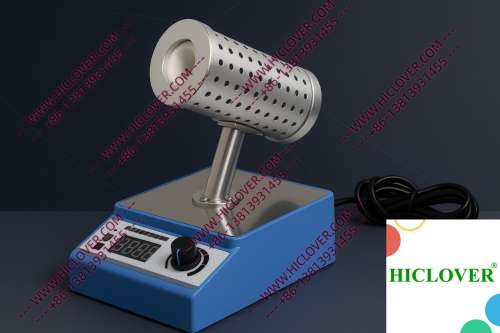
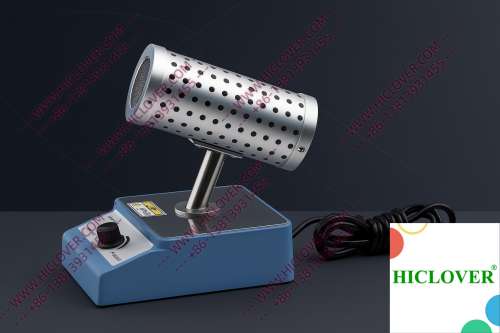
Micro Incinerators utilize rapid thermal sterilization technology to achieve high-temperature disinfection without open flames. These devices feature an enclosed ceramic heating chamber that reaches temperatures exceeding 1000°C, allowing for efficient sterilization of inoculating loops and other small tools. The concept of infrared heat provides a clean, quick, and efficient means of sterilization, significantly reducing the risk of contamination commonly associated with traditional flame methods.
When an inoculating loop is inserted into the enclosed ceramic tube of the Micro Incinerator, it is rapidly heated by infrared energy, allowing for effective sterilization in a matter of seconds. The enclosed design also eliminates the risk of aerosol generation, which is a substantial advantage in environments that prioritize stringent biosafety measures, such as BSL-2 and BSL-3 microbiology labs.
Applications of Micro Incinerators in Laboratories
Micro Incinerators find diverse applications across various laboratory environments due to their efficiency and compliance with safety standards:
- Biosafety Cabinets: These cabinets are integral to high-containment research facilities and clinical diagnostics labs. Micro Incinerators ensure that tools used within these cabinets remain sterile, significantly reducing cross-contamination risks.
- Field Testing: In mobile or field testing laboratories, the portability and efficiency of Micro Incinerators enable researchers to perform sterile procedures on-site, minimizing the need to transport biological samples back to the lab.
- University Teaching Labs: Educational institutions benefit from the safety and ease of use provided by Micro Incinerators. Students can learn sterile techniques without the hazards associated with open flames.
Compliance Standards and Environmental Impact
Compliance with local and international biosafety standards is crucial for laboratory operations. According to the World Health Organization (WHO), effective sterilization practices are essential for maintaining a safe laboratory environment. Micro Incinerators are compliant with various lab sterilization standards, including:
- BSL-2 and BSL-3 guidelines for handling pathogens
- Regulations for cleanroom operations that require no open flames
- Safety protocols that emphasize the importance of minimizing environmental impact through proper waste management practices
Unlike traditional flame sterilizers, Micro Incinerators produce no smoke or toxic byproducts, thus supporting laboratories in their goals to reduce their carbon footprint and harmful emissions.
Comparison of Micro Incinerators and Traditional Flame Sterilizers
| Feature | Micro Incinerator | Flame Sterilizers |
|---|---|---|
| Temperature Control | Precise; reaches high temperatures quickly | Variable; may not reach consistent sterilization temperatures |
| Contamination Risk | Minimal; aerosol-free handling | Higher; possible generation of harmful aerosols |
| Safety | No open flames; lower risk of burns or fires | Open flames; higher risk of burns or fire hazards |
| Environmental Impact | Lower; no emissions or byproducts | Higher; release of smoke and particulates |
Frequently Asked Questions
- What is a Micro Incinerator, and how does it work?
A Micro Incinerator uses infrared heat to rapidly sterilize tools and inoculating loops, providing an efficient and safe alternative to traditional flame methods. - What are the advantages of using a Micro Incinerator in a laboratory setting?
Key advantages include reduced contamination risk, no open flames, and compliance with strict biosafety regulations, making it ideal for high-containment labs. - Can a Micro Incinerator be used in cleanroom environments?
Yes, Micro Incinerators are designed to be safe for use in cleanrooms, eliminating the risks associated with flame-based sterilization. - How quickly can tools be sterilized with a Micro Incinerator?
Most sterilization occurs in just a few seconds, making it an efficient option for laboratory workflows. - Are Micro Incinerators suitable for educational lab settings?
Yes, they provide a safe and effective method for teaching sterile techniques to students without the risks of open flames.
Conclusion
In summary, Micro Incinerators play a pivotal role in modern laboratory waste management, significantly enhancing sterilization efficiency while minimizing environmental impact. Their advantages over traditional flame sterilizers make them an essential tool for laboratories striving to uphold biosafety standards and reduce their ecological footprint. To explore more about how Micro Incinerators can benefit your lab operations or to make a purchase, contact us directly. Invest in a Micro Incinerator today and empower your laboratory with cutting-edge sterilization technology.
Categories:
Tags: