
In the world of laboratory biosafety, the challenges of maintaining sterile environments are ever-present. As research and diagnostic techniques evolve, the demand for reliable sterilization methods has intensified. Traditional flame sterilizers, including Bunsen burners and alcohol lamps, have long been mainstays, but they present significant limitations such as open flame hazards, unpredictability, and inefficiency in workspace utilization. Enter the Micro Incinerator and the Infrared Inoculating Loop Sterilizer – two innovative solutions that promise to redefine sterilization workflows in laboratories.
The Technical Principle Behind Micro Incinerators
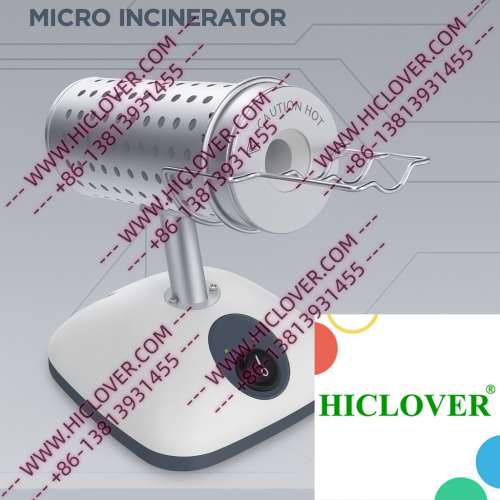
Micro Incinerators operate using the principle of rapid thermal sterilization. At their core lies an enclosed ceramic heating chamber that utilizes infrared heat, enabling high-temperature disinfection without the risks associated with open flames. This technology ensures consistent and reliable sterilization of inoculating loops, needles, and other small instrumentation typically used in microbiological applications.
Equipped with an easy-to-control power setting, micro incinerators can achieve temperatures exceeding 800°C in mere seconds. This rapid heating capability not only kills pathogens effectively but also minimizes aerosol production, offering a cleaner alternative for labs concerned with contamination control.
Applications of Micro Incinerators in Real Labs
Biosafety Cabinets
In BSL-2 and BSL-3 microbiology labs, the importance of adhering to stringent biosafety protocols cannot be overstated. Here, micro incinerators can be utilized for sterilizing inoculating loops and needles within biosafety cabinets. The inherent design ensures that operators can maintain a clean working area while swiftly sterilizing their tools, thus preventing cross-contamination during microbial handling.
Mobile Field Testing Labs
In conjunction with field testing, where traditional sterilization methods pose significant logistical challenges, micro incinerators offer a portable and efficient solution. As mobile laboratories proliferate in response to global health needs, these devices facilitate rapid sterilization of equipment and samples in remote locations, minimizing the risk of contamination in critical testing environments.
Compliance and Environmental Considerations
Compliance with international laboratory safety standards is a critical aspect that laboratories must consider. According to the World Health Organization (WHO), maintaining sterile conditions is paramount to effective biomedical research and diagnostics. Micro incinerators not only help meet these WHO biosafety standards but also align with stringent laboratory sterilization protocols, reducing concerns over flame use in clean rooms.
- Key Compliance Standards:
- ISO 14644: Cleanroom Standards
- CDC Biosafety in Microbiological and Biomedical Laboratories (BMBL)
- NIH Guidelines for Research Involving Recombinant DNA Molecules
- Environmental Benefits:
- No need for flammable gas sources
- Reduced smoke and fumes
- Minimal waste generated compared to traditional methods
Micro Incinerator vs. Flame Burners: A Comparison
| Feature | Micro Incinerator | Traditional Flame Burners |
|---|---|---|
| Sterilization Time | Seconds | Variable |
| Aerosol Production | Minimal | High |
| Workspace Safety | High (Enclosed) | Moderate |
| Energy Source | Electric | Gas/Ethanol |
| Environmental Impact | Low | Higher (fumes) |
Frequently Asked Questions (FAQs)
What is a Micro Incinerator?
A Micro Incinerator is a compact sterilization device that uses infrared heat within a ceramic chamber to sterilize inoculating loops and small instruments rapidly and effectively, significantly reducing contamination risks.
How does the Micro Incinerator improve sterilization workflows?
By providing a safe, efficient, and rapid means of sterilizing tools, micro incinerators help laboratories maintain sterile environments while enhancing productivity and compliance with safety protocols.
Are Micro Incinerators suitable for university teaching labs?
Yes, Micro Incinerators are ideal for teaching labs, offering a safe and effective way to demonstrate sterilization techniques without the hazards associated with traditional flame-based methods.
Can Micro Incinerators be used in field testing settings?
Absolutely! Their portability and efficient sterilization capabilities make Micro Incinerators valuable assets in mobile laboratories, allowing researchers to maintain sterility in various environments.
How do Micro Incinerators comply with biosafety regulations?
Micro Incinerators align with crucial biosafety standards set forth by organizations like the WHO, ensuring that they provide a safe means of sterilization in compliance with laboratory requirements.
Conclusion
As laboratories strive to enhance biosafety without compromising efficiency, Micro Incinerators present a forward-thinking solution for modern sterilization needs. The advantages of rapid thermal sterilization, combined with their compact design and compliance with stringent safety standards, offer a compelling case for adoption in various laboratory settings. If you’re looking to modernize your sterilization processes, consider implementing Micro Incinerators in your facility. For more information or to request a quote, please contact us today.
Categories:
Tags: