
As laboratory environments evolve to meet stringent biosafety standards, many researchers face practical challenges in maintaining a safe and contamination-free workspace. Laboratory sterilization demands have grown increasingly complex, especially in high-containment facilities and teaching labs. Traditional methods such as alcohol lamps and Bunsen burners, while useful, are not always ideal for rapid thermal sterilization. This is where the Micro Incinerator, specifically the Infrared Inoculating Loop Sterilizer, brings a groundbreaking solution that caters to the modern needs of biosafety and efficiency.
Understanding the Technical Principles of Micro Incinerators
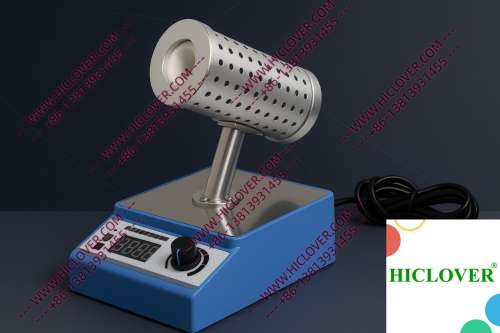
The Micro Incinerator operates on advanced heating technology, utilizing infrared radiation to deliver high-temperature disinfection. Unlike traditional flame sterilizers, these devices feature an enclosed ceramic heating chamber that emits focused infrared heat, achieving temperatures sufficient for effective sterilization in mere seconds. This technology not only ensures rapid sterilization but also eliminates the risk associated with open flames, such as aerosolization of contaminants.
Design and Configuration of Micro Incinerators
Typically, Micro Incinerators are designed with a compact footprint, making them suitable for both lab benches and mobile applications. Key components include:
- Infrared Ceramic Heating Element: Provides uniform heat distribution for consistent results.
- Adjustable Temperature Settings: Enables tailored sterilization protocols depending on the application.
- Robust Enclosure: Increases safety by preventing accidental ignition of flammable materials.
- Easy-to-Use Interface: Allows users to operate the unit with minimal training.
- What are the benefits of using a Micro Incinerator over traditional sterilization methods?
Micro Incinerators offer rapid thermal sterilization with a significantly reduced risk of contamination compared to flame burners.
- Can Micro Incinerators be used in field testing labs?
Yes, their portability and ease of use make them ideal for mobile and field applications.
- What is the lifespan of a Micro Incinerator?
These units are built for durability, with many lasting several years with proper maintenance.
- How do I maintain a Micro Incinerator?
Regular cleaning of the ceramic components and ensuring the heating element is functioning properly will maximize its lifespan.
- Where can I purchase a Micro Incinerator in Canada?
Contact your local laboratory supply distributor or visit specialized online retailers to find high-quality Micro Incinerators.
Application Scenarios in Real Labs
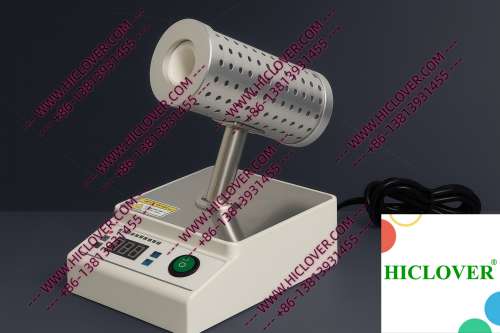
The versatility of Micro Incinerators makes them an excellent choice for various laboratory settings. Here are two distinct application scenarios:
Biosafety Cabinets
In BSL-2 or BSL-3 microbiology labs, maintaining a sterile environment is crucial. The compact design of the Micro Incinerator allows for convenient placement inside biosafety cabinets. Researchers can quickly sterilize inoculating loops and other tools without the risk of flame-related aerosols. This ensures that samples remain uncontaminated, reducing the potential for erroneous results.
University Teaching Labs
In university settings, where students learn microbiological techniques, Micro Incinerators provide a safe and efficient way to teach proper sterilization methods. These devices not only enhance student safety—by eliminating the need for hazardous flame—but also streamline the workflow, allowing more time for practical learning and experimentation.
Compliance and Environmental Considerations
The environmental footprint of laboratories is a growing concern, and adherence to compliance standards is critical. Micro Incinerators align with WHO biosafety and laboratory sterilization standards by providing a flame-free, aerosol-free method for sterilization. These units eliminate the emissions associated with traditional flame sterilizers and significantly reduce the risk of an accident due to ignition of materials.
Moreover, using infrared sterilizers contributes to enhancing clean room environments, making them more suitable for sensitive operations like those in CO₂ incubators or anaerobic chambers. Their compliance with local Canadian regulations further supports sustainability, making them a wise investment for institutions focused on reducing their waste footprint.
Comparison: Micro Incinerator vs. Flame Burners
| Feature | Micro Incinerator | Traditional Flame Sterilizers |
|---|---|---|
| Heating Mechanism | Infrared | Open Flame |
| Safety | Enclosed, no flame | Risk of aerosol contamination |
| Speed | Rapid (<30 seconds) | Slower (up to 1 minute) |
| Environmental Impact | Lower emissions | Higher emissions |
Frequently Asked Questions (FAQs)
Conclusion
The Micro Incinerator is redefining laboratory sterilization practices, merging efficiency with safety in a way traditional flame sterilizers could never achieve. It’s not just an investment in equipment; it’s a proactive step towards sustainability, compliance with biosafety standards, and creating a safer working environment. Whether you’re operating in a high-containment microbiology lab, a university teaching lab, or a field-testing scenario, consider the benefits of integrating Micro Incinerators into your sterilization workflow. Reach out today to explore procurement options or for any inquiries!
Categories:
Tags: