
In today’s laboratory environments, achieving rigorous biosafety standards is more critical than ever. Healthcare facilities and research laboratories face numerous challenges in maintaining a sterile environment that prevents cross-contamination. Traditional sterilization methods, though widely used, often fall short of meeting the stringent demands of modern-day laboratory sterilization workflows.
Overcoming Biosafety Challenges with Advanced Sterilization Technologies
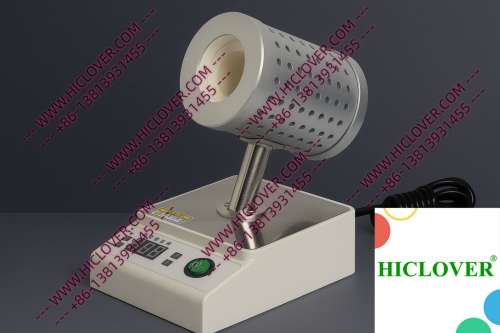
The integration of advanced sterilization equipment, like Micro Incinerators and Infrared Inoculating Loop Sterilizers, addresses such challenges effectively. These devices utilize infrared heat and enclosed ceramic tubes to provide rapid thermal sterilization, ensuring efficient contamination control without the hazards associated with traditional flame sterilization methods.
Technical Principle: Infrared Heat Technology
The core functionality of a Micro Incinerator lies in its innovative use of infrared heat. This technology provides high-temperature disinfection while minimizing the risk associated with open flames. The ceramic heating chamber ensures that surfaces are uniformly heated, significantly reducing the time it takes to sterilize tools and materials.
Design and Configuration
Micro Incinerators are typically compact and easily transportable, making them suitable for diverse applications. Their design often features a user-friendly interface, precise temperature control, and safety mechanisms that minimize the potential for operator error. Importantly, these sterilizers can be utilized effectively in BSL-2 and BSL-3 microbiology labs, clinical diagnostics, and even educational environments, such as university teaching labs.
Application Scenarios in Real Labs
1. BSL-2 and BSL-3 Microbiology Labs
Within BSL-2 and BSL-3 labs, the demands for sterilization are higher due to the presence of pathogenic biological agents. Utilizing a Micro Incinerator allows laboratory technicians to quickly sterilize inoculating loops and other tools without the risk of aerosol contamination that is prevalent with Bunsen burners. This is essential in environments where any airborne pathogens may compromise safety and research accuracy.
2. Field Testing and Mobile Labs
In the realm of field testing, especially in remote locations where permanent lab setups are unavailable, Micro Incinerators offer an invaluable solution. Their portability and efficiency allow researchers to maintain a clean workflow, even in non-standard conditions. The compact unit can be powered either through electrical sources or battery backup, making it adaptable for various testing scenarios.
Compliance with International Biosafety Standards
Understanding and adhering to biosafety compliance standards is paramount for any healthcare facility. The World Health Organization (WHO) provides strict guidelines for laboratory practices, particularly concerning sterilization. Traditional flame sterilizers pose risks, including ignition of flammable materials than can compromise clean environments. Moreover, using open flames in clean rooms is unsuitable due to the potential for air contamination.
Benefits of Infrared Sterilization vs. Traditional Flame Sterilizers
The following table highlights the advantages of Micro Incinerators over traditional flame sterilizers such as alcohol lamps and Bunsen burners:
| Feature | Micro Incinerator | Flame Sterilizers |
|---|---|---|
| Temperature Control | Precise and adjustable | Variable; difficult to control |
| Sterilization Time | Rapid thermal sterilization | Longer; dependent on flame size |
| Risk of Contamination | Minimized | Higher due to aerosol generation |
| Safety | No open flames; clean-bench-safe | Fire hazard; requires caution |
Frequently Asked Questions
- What is the primary advantage of using a Micro Incinerator in labs?
It provides rapid sterilization while minimizing contamination risks associated with open flames. - Can the Micro Incinerator be used in field testing?
Absolutely! Its portable design makes it ideal for mobile labs and fieldwork. - How does infrared sterilization compare to traditional methods?
Infrared sterilization is faster, safer, and results in a cleaner operating environment. - Are Micro Incinerators compliant with WHO standards?
Yes, they adhere to strict biosafety and laboratory sterilization standards set by WHO. - What types of laboratories can benefit from using a Micro Incinerator?
BSL-2 / BSL-3 microbiology labs, clinical diagnostics, and educational environments.
Conclusion: Elevate Your Laboratory’s Sterilization Standards Today
In conclusion, investing in high-quality Micro Incinerators and Infrared Inoculating Loop Sterilizers can revolutionize your laboratory operations. By ensuring compliance with international biosafety standards and enhancing sterilization efficiency, you not only safeguard the health of your laboratory personnel but also improve research accuracy and reliability. For those located in Oslo or surrounding areas, contact us today to explore premium hospital sterilizers that meet your facility’s specific needs!
Categories:
Tags: