
In today’s fast-evolving biotech landscape, laboratories are grappling with numerous biosafety challenges and the rigorous demands of sterilization workflows. Swift and effective contamination control is critical, especially for BSL-2 and BSL-3 microbiology labs, where maintaining sterile environments safeguards both researchers and their subjects. The advent of advanced laboratory sterilization equipment like the Micro Incinerator, specifically the Infrared Inoculating Loop Sterilizer, represents a transformative leap in laboratory sterilization technology.
Modern Sterilization Challenges in Laboratories
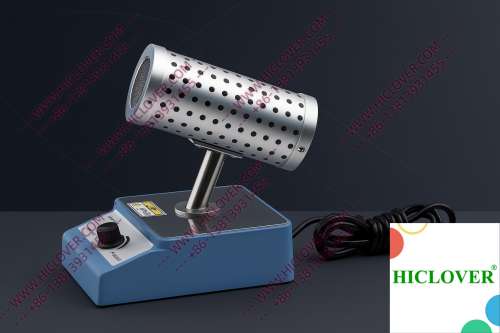
Traditional methods of sterilization, including alcohol lamps and Bunsen burners, present multiple challenges. These flame-based systems not only pose fire hazards but can also produce unwanted aerosols, increasing the risk of contamination and compromising experiments. Furthermore, the presence of flames limits their use within clean rooms or biosafety cabinets, where sterility and safety are paramount. Researchers and laboratory technicians are adroitly shifting towards innovative solutions that meet stringent safety requirements while pervading workflows seamlessly.
Technical Principles of Infrared Loop Sterilizers
The Micro Incinerator employs a unique ceramic heating chamber and cutting-edge infrared heating technology, enabling rapid thermal sterilization without the drawbacks associated with traditional methods. The enclosed design ensures that the temperature is evenly distributed throughout the sterilization process, allowing for precise control over the disinfection environment. This method achieves high-temperature disinfection in a matter of seconds, transforming how labs approach sterilization.
- Rapid Thermal Sterilization: Achieves effective sterilization in seconds.
- Contamination Control: Minimizes risks associated with aerosols.
- Clean-Bench-Safe: Designed for use within sterile environments.
- Ceramic Heating Chamber: Reliable and efficient heating element.
Applications of Micro Incinerators in Laboratories
The versatility of Micro Incinerators allows their application across various laboratory environments, including:
1. Teaching Labs
In university settings, instructors can demonstrate sterile techniques to students without the risks associated with open flames. The infrared inoculating loop sterilizer allows for safe handling of inoculating loops, providing students with hands-on experience in a controlled and secure manner.
2. Biosafety Cabinets
Within biosafety cabinets, the use of Micro Incinerators ensures that microbial work is performed under the safest conditions. Unlike flame burners, which can disrupt the sterile airflow, these sterilizers maintain a clean environment while ensuring rapid sterilization of tools, minimizing the risk of contamination in sensitive experiments.
Compliance and Environmental Considerations
The WHO advises laboratories worldwide to adhere to stringent biosafety protocols. One critical aspect of these regulations involves the sterilization techniques employed. The selection of sterilization equipment must align with ISO standards and local health regulations. For facilities operating in cleanroom environments, where the risk of contamination is a significant concern, the absence of open flames is non-negotiable. Infrared inoculating loop sterilizers provide compliance with these standards, facilitating safe and efficient workflows in clean environments.
Key Compliance Standards: Laboratories must reference the relevant biosafety guidelines applicable to their field to ensure operational compliance and safety.
Comparison of Micro Incinerators and Flame Burners
| Feature | Micro Incinerator | Flame Burners |
|---|---|---|
| Safety | Low risk; no open flame | High risk; open flame |
| Sterilization Time | Seconds | Variable, generally longer |
| Aerosols | Minimal generation | Potentially high |
| Cleanroom Compatibility | Highly compatible | Not suitable |
Frequently Asked Questions
What is a Micro Incinerator used for in laboratories?
A Micro Incinerator is used for sterilizing inoculating loops, needles, and other laboratory tools quickly and efficiently while minimizing contamination risks.
How does infrared sterilization work?
Infrared sterilization utilizes high-temperature heat generated by infrared radiation to disinfect instruments rapidly, providing a dry and flame-free sterilization process.
Are Micro Incinerators safe to use in clean rooms?
Yes, Micro Incinerators are designed to be clean-bench-safe and produce minimal aerosols, making them ideal for use in cleanroom environments.
What advantages do Micro Incinerators have over traditional flame sterilizers?
Micro Incinerators offer faster sterilization times, reduced contamination risk, and are safer for use in sterile environments compared to traditional flame sterilizers.
Can Micro Incinerators be used in field testing scenarios?
Absolutely! Micro Incinerators are portable and can be effectively utilized in field testing labs where quick and effective sterilization is crucial.
Conclusion
As laboratories continue to face mounting pressure to ensure biosafety while optimizing their workflows, the Micro Incinerator / Infrared Inoculating Loop Sterilizer stands out as a promising solution. By transcending traditional sterilization methods, this innovative technology allows labs to maintain the highest standards of sanitation without compromising safety or efficiency.
If you’re ready to revolutionize your laboratory’s sterilization practices, consider investing in a Micro Incinerator today. For inquiries or to place an order, please don’t hesitate to contact us!
Categories:
Tags: