
In the rapidly evolving landscape of laboratory biosafety, the integration of advanced sterilization technologies has become paramount. Detroit hospitals are taking significant strides in enhancing patient safety by upgrading their sterilization equipment, particularly focusing on laboratory sterilization tools such as the Micro Incinerator and Infrared Inoculating Loop Sterilizer. As healthcare environments grapple with contamination control, innovative solutions are essential to meet stringent sterilization workflow demands.
Challenges in Laboratory Biosafety and Sterilization Workflows
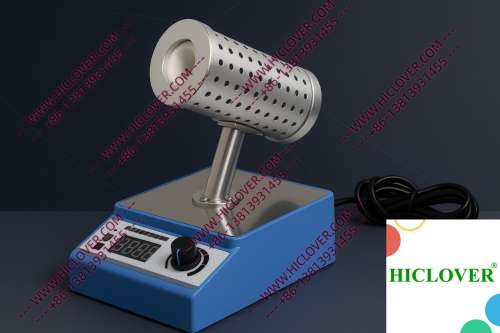
Laboratories, especially those operating under BSL-2 and BSL-3 classifications, face unique biosafety challenges. The pervasive threat of microbial contamination requires consistent and reliable sterilization methods. Traditional methods like alcohol lamps and Bunsen burners present risks, such as flame exposure, which can lead to safety hazards in clean environments. Efficient sterilization workflows not only enhance safety but also improve overall operational efficiency.
Technical Principles of the Micro Incinerator
The Micro Incinerator employs infrared heat technology to achieve rapid thermal sterilization. This equipment features an enclosed ceramic heating chamber that allows for high-temperature disinfection without the use of open flames. By harnessing infrared radiation, the Micro Incinerator can quickly eliminate pathogens while maintaining a safe working environment.
Design and Configuration
Most models have a compact design, making them suitable for integration into busy laboratory settings, including clean benches and biosafety cabinets. The user-friendly interface allows for precise temperature control, which is crucial for effective sterilization of inoculating loops, needles, and other lab tools.
Application Scenarios in Real Labs
- Biosafety Cabinet Applications: Within BSL-2 and BSL-3 laboratories, the Micro Incinerator is often utilized alongside biosafety cabinets to ensure that any tools used in the handling of pathogenic microbes are effectively sterilized before and after use. Its compact design enables seamless integration, allowing researchers to maintain focus on their experiments without the distraction of traditional flame sterilizers.
- Teaching Labs: University teaching labs rely heavily on the Micro Incinerator for training students in microbiological techniques. The infrared sterilizer offers an aerosol-free handling experience, which eliminates the risks associated with open flames. Educational programs can focus on best practices in sterile handling without compromising student safety.
Compliance and Environmental Standards
Meeting compliance standards is crucial for laboratories to operate effectively. The World Health Organization (WHO) outlines specific biosafety measures that labs must adhere to when handling infectious agents. Traditional flame sterilizers create aerosols and increase fire hazards—both of which are unacceptable in clean environments. The Micro Incinerator is flame-free, making it compliant with safety regulations in clean rooms, which often require non-combustible equipment to prevent contamination and ensure a sterile environment.
Advantages Over Traditional Flame Sterilizers
| Feature | Micro Incinerator | Flame Sterilizers |
|---|---|---|
| Heat Source | Infrared | Open Flame |
| Safety | Flame-free operation | Risk of burns, fire hazards |
| Contamination Control | Aerosol-free | Potential aerosol generation |
| Ease of Use | Simple controls | Requires careful handling |
| Cleaning | Less residue | Carbon buildup from flames |
FAQs
What is the Micro Incinerator used for in laboratories?
The Micro Incinerator is designed for rapid thermal sterilization of laboratory tools such as inoculating loops and needles, ensuring a sterile environment for sensitive experiments.
How does infrared sterilization work?
Infrared sterilization involves using infrared radiation to generate heat, which effectively kills pathogens by denaturing their proteins and disrupting cellular functions.
Why choose a Micro Incinerator over a traditional flame sterilizer?
The Micro Incinerator offers flame-free operation, reducing risks of fire and burns, while also improving contamination control by eliminating aerosol generation associated with flame sterilizers.
Are there specific regulations for laboratory sterilization?
Yes, laboratories must adhere to biosafety standards set by organizations such as the WHO, which recommend non-combustible sterilization methods for maintaining clean environments.
Can the Micro Incinerator be used in field testing labs?
Absolutely! Its portable design makes the Micro Incinerator an excellent choice for field testing labs, where rapid and safe sterilization of instruments is necessary.
Conclusion
As Detroit hospitals lead the way in adopting advanced sterilization technologies, the Micro Incinerator emerges as a vital component in ensuring patient safety and maintaining biosafety compliance. By investing in this innovative sterilization solution, healthcare facilities can enhance their laboratory workflows, safeguard against contamination, and promote better outcomes for patients. For more information or to inquire about purchasing the Micro Incinerator for your laboratory needs, feel free to reach out today!
Categories:
Tags: