
Laboratories worldwide face continual challenges in maintaining sterile environments, particularly when handling pathogens and serving as research facilities. As biosafety standards evolve, the selection of reliable sterilization equipment is pivotal in ensuring compliance with regulations while protecting laboratory personnel and research integrity. One of the most impactful innovations in laboratory sterilization has been the advent of energy-efficient sterilization heats, particularly the Micro Incinerator or Infrared Inoculating Loop Sterilizer. This article explores how these advanced technologies improve sterilization workflows, reduce contamination risks, and align with global biosafety standards.
Understanding the Technical Principles
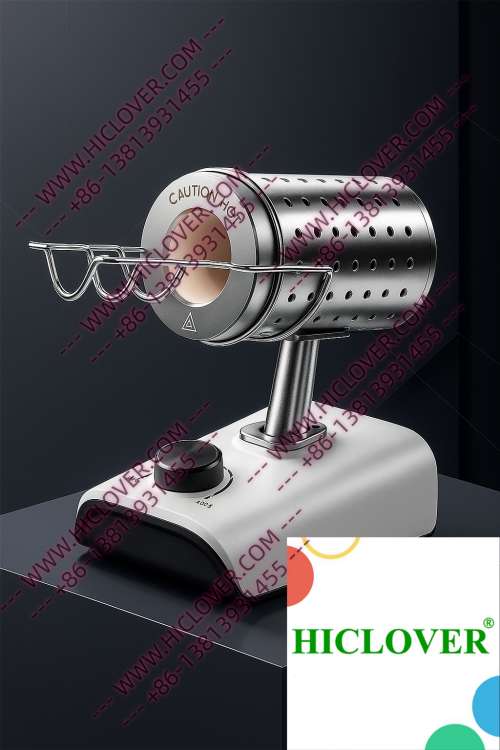
The cornerstone of the Micro Incinerator’s success lies in its operation through infrared heating technology. This modern sterilization device utilizes a ceramic heating chamber to achieve rapid thermal sterilization without an open flame. Unlike traditional alcohol lamps or Bunsen burners, which pose risks such as toxic fumes and fire hazards, the Micro Incinerator operates securely within enclosed ceramic tubes. When heated, infrared radiation effectively annihilates microbial life in a matter of seconds, ensuring equipment safety and maintaining a contamination-free environment.
Comparison Table: Micro Incinerator vs. Traditional Flame Burners
| Feature | Micro Incinerator | Flame Burners |
|---|---|---|
| Heat Source | Infrared Ceramic | Open Flame |
| Response Time | Rapid (seconds) | Variable |
| Safety | Clean-bench-safe | Flammable |
| Maintenance | Low | High |
| Compliance | Meets WHO biosafety | May not meet standards |
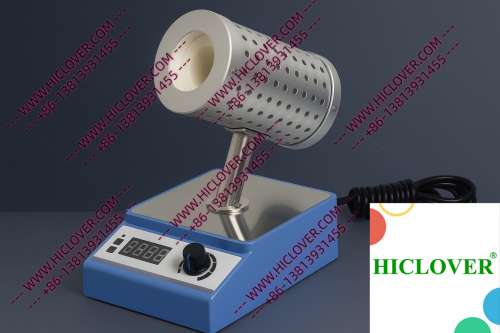
Application Scenarios in Real Laboratories
The versatility of the Micro Incinerator allows it to shine in various laboratory contexts, including:
- BSL-2 / BSL-3 Microbiology Labs: In high-containment labs, the Micro Incinerator plays a crucial role in sterilizing inoculating loops and other tools, minimizing the risk of cross-contamination and ensuring safety protocols are met.
- Clinical Diagnostics: Hospitals and healthcare facilities frequently utilize these sterilizers in diagnostics labs to ensure that all implements are contaminant-free before use, fortifying patient safety and clinical efficacy.
- University Teaching Labs: In academic settings, students can learn best practices in sterilization without the hazards associated with open flames, enhancing both safety and educational value.
- Mobile or Field Testing Labs: The compact size and efficiency of Micro Incinerators make them ideal for field testing applications, providing reliable sterilization in remote locations.
Compliance and Environmental Impact
When working within the laboratory context, compliance with biosafety standards is non-negotiable. The Micro Incinerator stands out as a viable solution due to its alignment with WHO biosafety protocols and other international sterilization standards. Moreover, it provides a safer environment by completely eliminating the risks associated with flame-based sterilization, including potential ignition of flammable materials in cleanrooms.
Furthermore, as environmental concerns shift towards sustainable practices, the energy efficiency of the Micro Incinerator contributes positively to laboratory operations by minimizing power consumption during use, enhancing cost-effectiveness in the long run.
Frequently Asked Questions
What are the benefits of using an infrared inoculating loop sterilizer over traditional methods?
Infrared inoculating loop sterilizers are safer, quicker, and more efficient compared to traditional flame methods. They eliminate open flames and reduce the risk of contamination, ensuring cleaner laboratory practices.
Is the Micro Incinerator suitable for all types of labs?
Yes, the Micro Incinerator is suitable for a diverse range of laboratory environments, including clinical diagnostics, educational institutions, and BSL-2 / BSL-3 labs.
How does infrared heating work in sterilization?
Infrared heating involves the use of ceramic heating elements that emit radiant heat, producing a high-temperature environment capable of rapidly sterilizing materials without the need for an open flame.
What maintenance is required for the Micro Incinerator?
The maintenance for a Micro Incinerator is minimal compared to flame-based systems. Regular cleaning and inspections are necessary, but there are fewer parts that can wear out.
Can I use the Micro Incinerator in a cleanroom environment?
Absolutely! The Micro Incinerator is designed for cleanroom safety, eliminating the risk of flames and providing a secure sterilization method that complies with cleanroom regulations.
Conclusion: Embrace the Future of Laboratory Sterilization
In a world where laboratory sterilization is critical for biosafety and research integrity, the Micro Incinerator / Infrared Inoculating Loop Sterilizer represents a powerful shift towards energy-efficient, safe, and compliant sterilization practices. As laboratory supply distributors, hospitals, universities, and research centers continue to seek high-quality sterilization solutions, this innovative equipment not only meets but exceeds the demands of modern laboratory challenges. For enhanced safety, compliance, and efficiency, consider adding a Micro Incinerator to your laboratory arsenal.