
In today’s sophisticated laboratory environments, maintaining biosafety while ensuring effective sterilization is paramount. Laboratories, especially those working at BSL-2 and BSL-3 levels, face numerous biosafety challenges and the pressing demands of sterilization workflows. As these settings strive to minimize cross-contamination and maintain clean and sterile conditions, advancements in sterilization technology have become crucial. Enter the Micro Incinerator or Infrared Inoculating Loop Sterilizer—an innovative solution redefining lab sterilization.
Understanding the Micro Incinerator
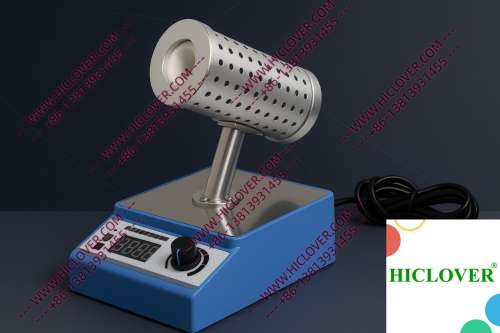
The Micro Incinerator operates on the principle of rapid thermal sterilization. Unlike traditional flame sterilizers like alcohol lamps and Bunsen burners, which can introduce risks of open flames and potential contamination, the Micro Incinerator utilizes infrared heat. The closed ceramic heating chamber efficiently generates consistent high temperatures that allow for effective disinfection without the byproducts associated with combustion.
This device features an enclosed ceramic tube that confers numerous benefits: it prevents aerosol generation, drastically minimizes the risk of ignition, and maintains a clean bench environment. By eliminating the need for flames, it assures compliance with stringent safety regulations that laboratories must adhere to, particularly in cleanroom and biosafety cabinet operations.
Applications in Real Laboratories
1. BSL-2 and BSL-3 Laboratories
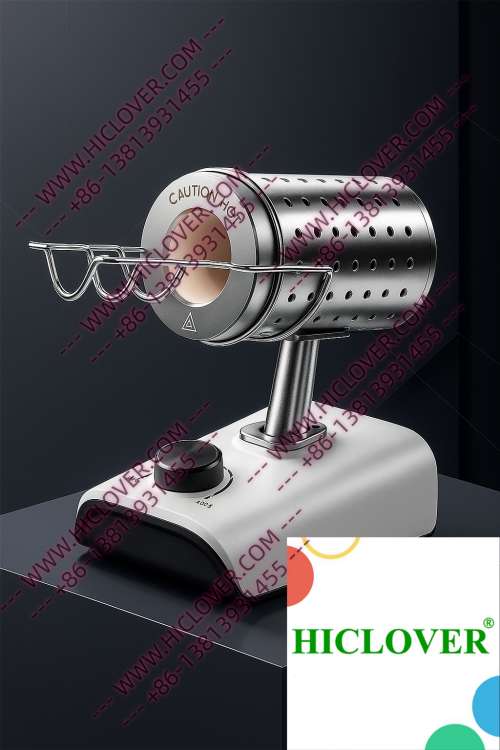
In BSL-2 and BSL-3 environments, where the handling of pathogens poses significant risks, the Micro Incinerator is indispensable. For example, during the inoculation of media in a biosafety cabinet, researchers can swiftly sterilize inoculating loops without fear of flame hazards. The efficiency of infrared heating also ensures that the sterilization process is quick, minimizing delays and optimizing workflow.
2. Teaching Laboratories
University teaching labs benefit immensely from the integration of Micro Incinerators. Here, students learn the essentials of microbiological techniques, including aseptic methods. Using an odorless sterilization device eliminates distractions caused by flames and smoke, allowing students to focus on their techniques and safety practices. This contributes to a more productive learning environment and instills fundamental biosafety principles in the next generation of scientists.
Compliance and Safety Standards
Adhering to compliance regulations set forth by organizations such as the World Health Organization (WHO) is essential for laboratory operations. The Micro Incinerator meets several lab sterilization standards that are critical for ensuring the safety of personnel and the environment. In cleanrooms, where even minute particulates can compromise sterility, the lack of an open flame keeps the area free from contaminants. Implementing infrared sterile techniques allows labs to maintain a sterile environment while upholding biosafety protocols.
Benefits Over Traditional Flame Sterilizers
- Safety: Odorless operation eliminates flammable vapors.
- Efficiency: Rapid thermal sterilization reduces wait times.
- Aerosol-Free Handling: Minimizes risk of airborne contamination.
- Consistent Performance: Reliable high temperatures with precise control.
Comparison: Micro Incinerator vs. Traditional Flame Sterilizers
| Feature | Micro Incinerator | Flame Sterilizers |
|---|---|---|
| Type of Heating | Infrared | Open Flame |
| Odor | Odorless | Produces Smoke |
| Contamination Risk | Low | High |
| Operational Safety | Inherently Safer | Risk of Burns and Ignition |
FAQs
- How does the Micro Incinerator work? The Micro Incinerator uses infrared technology to generate heat for rapid sterilization, reducing contamination risks while providing consistent temperatures.
- Is the Micro Incinerator suitable for BSL-3 laboratories? Yes, the Micro Incinerator is designed to meet the stringent biosafety requirements of BSL-3 laboratories.
- What are the maintenance needs for an Infrared Inoculating Loop Sterilizer? Regular cleaning of the ceramic heating chamber and ensuring the sterilizer’s components are free from debris will enhance its longevity and performance.
- Can it be used in field testing labs? Absolutely. Its portable design makes it ideal for field studies where sterilization is required.
- Are there any certifications for this device? Yes, the Micro Incinerator complies with WHO guidelines and other lab sterilization standards.
Conclusion
The landscape of laboratory sterilization is undergoing a significant transformation with the advent of odorless sterilization devices like the Micro Incinerator. Their safety, efficiency, and compliance with strict biosafety standards make them an essential choice for laboratories ranging from university teaching labs to advanced research facilities. If you’re looking to enhance your lab’s sterilization operations and improve biosafety compliance, consider investing in a Micro Incinerator today. For more information or to make a purchase, reach out to us and explore how we can support your laboratory’s needs.
Categories:
Tags: