
In the landscape of modern laboratories, particularly within the healthcare sector, maintaining strict biosafety standards and effective infection control has become paramount. Hospitals in Indianapolis face unique challenges, including the need for efficient sterilization methods that minimize contamination risks while maintaining workflow efficiency. Traditional sterilization methods like alcohol lamps and Bunsen burners are increasingly being replaced by advanced solutions, such as Micro Incinerators and Infrared Inoculating Loop Sterilizers, which offer significant advantages in both safety and performance.
Understanding Micro Incinerators: The Technical Principles
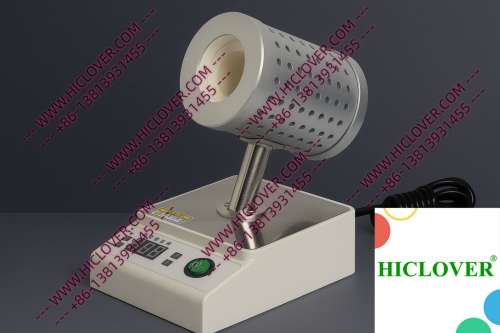
The core technology behind Micro Incinerators centers around rapid thermal sterilization using infrared heat. Unlike flame-based methods, these devices utilize an enclosed ceramic tube that generates high temperatures swiftly and uniformly. This design allows for:
- High-Temperature Disinfection: Infrared energy heats the inoculating loops or other tools quickly, ensuring comprehensive sterilization.
- Aerosol-Free Handling: The enclosed environment reduces the risk of aerosol generation, essential in high-containment laboratories.
- Clean-Bench-Safe Operation: By eliminating open flames, Micro Incinerators ensure a safer work environment inside BSL-2 and BSL-3 microbiology labs.
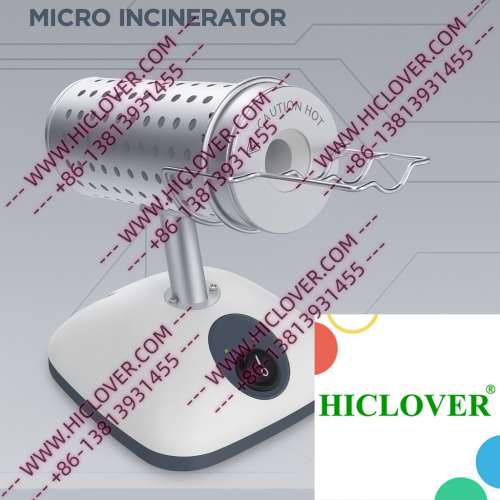
Typically, these sterilizers can reach temperatures exceeding 800°C, providing reliable decontamination in mere seconds. This innovative technology is not only efficient but also aligns with the growing emphasis on safety and environmental compliance in laboratory settings.
Application Scenarios in Real Labs
Research facilities across Indianapolis, including hospitals and universities, are leveraging Micro Incinerators in various settings:
1. Biosafety Cabinets
In a BSL-2 laboratory focused on clinical diagnostics, the use of Micro Incinerators in biosafety cabinets allows for a seamless workflow where sterilization can occur without compromising the sterile environment. As researchers handle pathogens, they can efficiently sterilize inoculating loops without exposing their work surface or equipment to hazardous flames.
2. Teaching Labs
University teaching labs are embracing the Micro Incinerator for its educational benefits. Students performing microbiological studies can demonstrate proper sterile techniques while reducing the risks associated with flame-based sterilization. This enhances their understanding of biosafety measures while providing a practical learning experience.
Compliance with Biosafety Standards
Adhering to established biosafety protocols is crucial for laboratories, especially those operating under guidelines set by the World Health Organization (WHO) and national regulatory bodies. The lack of open flames in clean rooms is a critical requirement, as flame sterilizers pose contamination risks not only through heat but also through the potential release of aerosols.
Key Compliance Standards Include:
- WHO Biosafety Guidelines
- ISO 15189: Medical laboratories — Requirements for quality and competence
- ANSI/AAMI ST79: Comprehensive guidelines for sterilization
All these standards encourage the adoption of safer and more effective sterilization technologies, reinforcing the importance of integrating Micro Incinerators into standard operating procedures (SOPs).
Micro Incinerator vs. Traditional Flame Sterilizers
| Feature | Micro Incinerator | Flame Sterilizer |
|---|---|---|
| Heat Source | Infrared | Open Flame |
| Risk of Contamination | Low | High |
| Operation Speed | Seconds | Varies |
| Safety | High | Moderate to Low |
Key Takeaways: Advantages of Micro Incinerators
The transition to Micro Incinerators represents a pivotal shift in laboratory sterilization practices, particularly within infection control frameworks in Indianapolis hospitals. Compared to traditional alcohol lamps and Bunsen burners, Micro Incinerators offer:
- Enhanced Safety: The risk of igniting flammable materials is minimized.
- Rapid Thermal Sterilization: Instant readiness for use allows for efficient work processes.
- Environmentally Friendly Operation: Reduced emissions and safer chemical handling.
FAQs
What is a Micro Incinerator?
A Micro Incinerator is a sterilization device that uses infrared heat to quickly and efficiently sterilize laboratory instruments such as inoculating loops.
How does infrared sterilization differ from traditional methods?
Infrared sterilization employs rapid heating through enclosed ceramic tubes, which provides a contamination-free environment compared to flame-based techniques that can produce aerosols.
Are Micro Incinerators compliant with lab safety standards?
Yes, they comply with various biosafety guidelines, including WHO recommendations and ISO standards, enhancing the safety and efficacy of laboratory operations.
Can Micro Incinerators be used in teaching labs?
Absolutely. They provide a safe and effective means for students to learn proper sterilization techniques without the risks associated with flame sterilization.
Where can I purchase a Micro Incinerator in Indianapolis?
You can find reliable suppliers through local laboratory equipment distributors or contact manufacturers directly for purchasing options.
Conclusion
The evolution in laboratory sterilization practices, particularly with the adoption of Micro Incinerators, marks a significant advancement in infection control protocols across hospitals and research facilities in Indianapolis. These devices not only meet the rigorous demands of biosafety standards but also enhance workflow efficiency and safety. If you are interested in updating your laboratory’s sterilization methods or have any inquiries about our Micro Incinerator products, we encourage you to reach out for further information and procurement options.
Categories:
Tags: