
In the fast-paced world of laboratory research and diagnostics, ensuring biosafety and efficient sterilization workflows is paramount. Laboratories face significant challenges including the risk of contamination, the need for rapid thermal sterilization, and adherence to strict safety protocols. Traditional methods, such as alcohol lamps and Bunsen burners, may pose fire hazards and do not provide the level of control and speed necessary in modern laboratory environments.
The Micro Incinerator: A Game-Changer in Sterilization Technologies
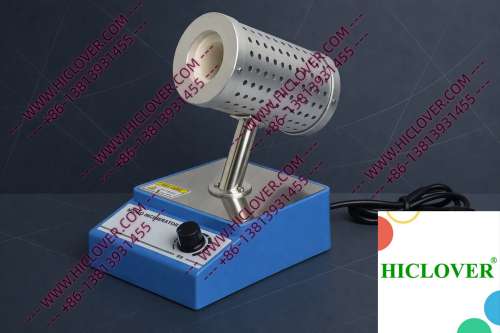
Compact sterilizers, particularly the Micro Incinerator or Infrared Inoculating Loop Sterilizer, represent a significant evolution in laboratory sterilization equipment. These devices utilize a ceramic heating chamber that employs infrared high-temperature disinfection to eliminate contaminants effectively without the open flames that traditional sterilizing methods rely upon.
The core principle behind the Micro Incinerator is its ability to achieve rapid heating using a high-efficiency infrared heating element. The enclosed ceramic tube is designed to withstand extreme temperatures and ensure that inoculating loops and other tools can be sterilized quickly while minimizing the risk of contamination through aerosol emissions. This feature makes it particularly suitable for use in biosafety cabinets and other sensitive environments.
Applications in Real Laboratory Settings
Compact sterilizers have become indispensable in various laboratory settings:
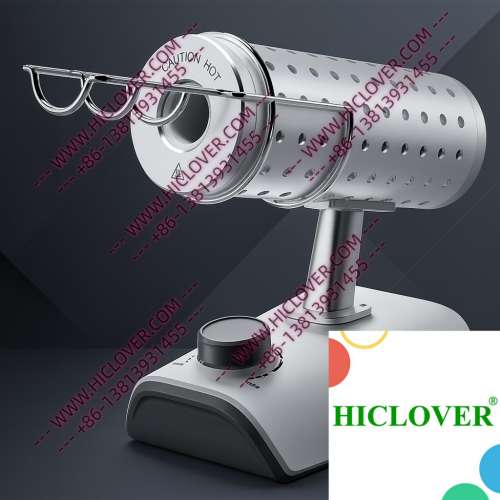
- Biosafety Cabinet Use: In BSL-2 and BSL-3 microbiology labs, rapid sterilization using a Micro Incinerator allows for continuous workflow without disruption. Researchers can efficiently disinfect tools without the risk associated with open flames, ensuring a safer working environment.
- Teaching Labs: University and college laboratories benefit significantly from the incorporation of compact sterilizers. They provide students with the ability to learn proper aseptic technique without the intimidation of handling dangerous flame-based equipment.
- Field Testing Labs: In remote field testing situations, where resources may be limited, compact sterilizers can function independently. They run on standard electrical power, making them suitable for portable use and enhancing flexibility in data collection processes.
Compliance and Environmental Considerations
When selecting sterilization equipment, compliance with international biosafety standards is critical. The World Health Organization (WHO) has set stringent guidelines for laboratory sterilization processes, emphasizing the need for effective contamination control. These guidelines are especially pertinent in sectors such as clinical diagnostics and research facilities where the integrity of results is non-negotiable.
Moreover, the use of a Micro Incinerator ensures that no flame is present in clean rooms, maintaining the integrity of the environment while adhering to safety protocols. This is essential in laboratories working with sensitive cell cultures, as well as those requiring stringent aerosol-free handling. Unlike traditional flame sterilizers, these compact devices provide a clean, safe means of sterilization that limits environmental impact and user risk.
Micro Incinerator vs. Traditional Flame Sterilizers: A Comparison
| Feature | Micro Incinerator | Traditional Flame Sterilizers |
|---|---|---|
| Heating Method | Infrared | Open Flame |
| Safety | Flame-free operation | Fire hazards |
| Speed | Rapid thermal sterilization | Variable, slower response |
| Contamination Control | Aerosol-free | Possible aerosol generation |
| Portability | Compact and easy to transport | Bulky and less portable |
FAQs about Micro Incinerators and Their Uses
1. What is the primary advantage of using a Micro Incinerator over a Bunsen burner?
The Micro Incinerator provides rapid thermal sterilization without the risks associated with open flames, making it safer and more efficient for sterilizing instruments in sensitive lab environments.
2. Can I use a Micro Incinerator in a field testing lab?
Yes, these devices are compact and can operate on standard electrical power sources, making them ideal for mobile or field testing applications.
3. How does the sterilization efficiency compare between a Micro Incinerator and traditional flame sterilizers?
The Micro Incinerator offers improved efficiency by delivering consistent high temperatures quickly, unlike traditional methods that may take longer to reach effective sterilization levels.
4. Is the Micro Incinerator compliant with WHO biosafety standards?
Yes, the Micro Incinerator complies with international biosafety standards, ensuring that it meets necessary requirements for laboratory sterilization equipment.
5. Can this device be used in university teaching labs?
Absolutely! The Micro Incinerator is an excellent choice for teaching labs, providing students with a safe and effective tool for learning aseptic techniques.
Conclusion
The advancement of compact sterilizers like the Micro Incinerator is transforming laboratory practices by enhancing cleanliness and safety. As research environments evolve, the integration of modern sterilization technologies becomes essential. For institutions aiming to stay ahead in operational efficiency and biosafety compliance, investing in advanced sterilization equipment is a crucial step. Contact us today to explore how the Micro Incinerator can optimize your laboratory’s sterilization processes and enhance your workflow.
Categories:
Tags: