
In the realm of laboratory biosafety, the quest for effective sterilization methods has never been more pressing. With increasing concerns around contamination control and the need for rapid thermal sterilization, healthcare facilities and research centers are turning away from traditional methods in favor of advanced technology. High-temperature infrared sterilizers, such as the Micro Incinerator or Infrared Inoculating Loop Sterilizer, are transforming how laboratories maintain sterile environments while adhering to stringent biosafety standards.
The Challenges of Traditional Sterilization Techniques
Traditional flame sterilizers, such as alcohol lamps and Bunsen burners, while commonly used, pose several challenges to modern laboratory workflows. These methods not only introduce open flames but also can create hazardous aerosols during operations, which is particularly concerning in BSL-2 and BSL-3 labs where aerosol transmission can lead to contamination. Furthermore, flame sterilizers require constant monitoring and maintenance, which can delay workflows and inhibit efficiency, particularly in high-turnover environments like clinical diagnostics or university teaching labs.
Technical Principles of Infrared Sterilization
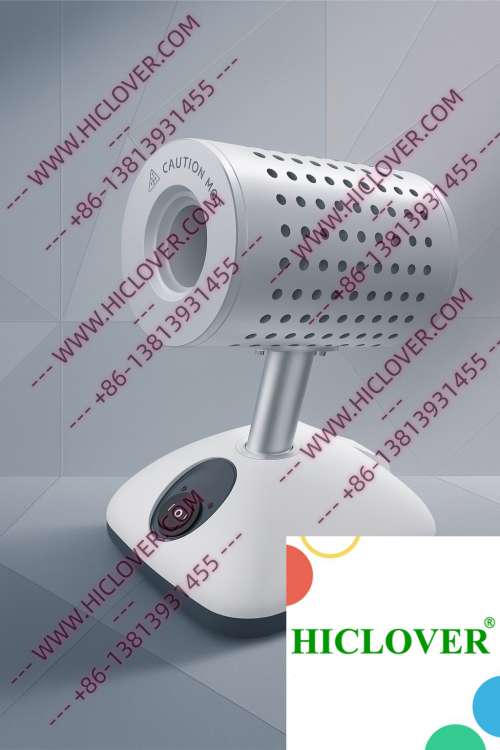
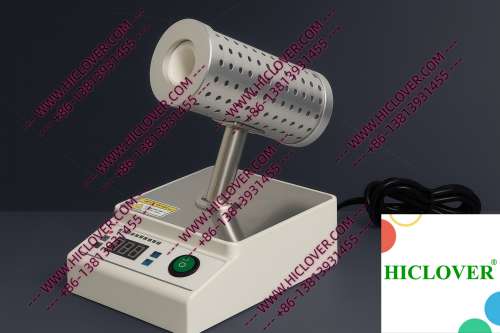
The Micro Incinerator operates using infrared heat, produced by an enclosed ceramic heating chamber that achieves high temperatures rapidly. Unlike traditional systems, infrared sterilizers provide focused thermal energy that allows for quick contamination eradication without the risk associated with open flames. The ceramic tube design enhances thermal efficiency and safety, ensuring that the sterilization process is both effective and clean-bench-safe.
Advantages Over Traditional Methods
- Safety: No open flames reduce the risk of fire hazards.
- Efficiency: Rapid heating and cooling phases help minimize downtime.
- Cleanliness: Aerosol-free handling ensures a contamination-free workspace.
- Portability: Lightweight and easy to use in various environments.
- Cost-Effective: Lower operational costs compared to traditional sterilization methods.
Application Scenarios in Real Labs
Let’s explore two application scenarios where high-temperature infrared sterilizers are revolutionizing laboratory practices:
Biosafety Cabinet Integration
In BSL-2 labs, where biosafety and contamination control are paramount, the Micro Incinerator fits seamlessly within biosafety cabinets. Researchers can instantly sterilize inoculating loops, pipettes, and other instruments without the risk associated with flame-based systems. This can significantly streamline sterile transfer processes, allowing for a more efficient and uninterrupted workflow in sensitive experiments.
Field Testing and Mobile Labs
Field testing is another realm where infrared sterilizers shine. Laboratories conducting mobile testing for environmental samples or clinical specimens can deploy these sterilizers due to their compact design and rapid heating capability. In these scenarios, researchers can maintain strict sterilization protocols on-site, ensuring that sample integrity is maintained while adhering to health and safety standards.
Compliance and Safety Standards
Compliance with regulations set forth by organizations such as the World Health Organization (WHO) is crucial in laboratory settings. High-temperature infrared sterilizers align with laboratory sterilization standards as they provide reliable and reproducible sterilization results without the risks associated with fumes or aerosols produced by traditional flame sterilizers. Furthermore, many sterile environments—especially clean rooms—prohibit the use of open flames altogether, making infrared sterilization an optimal choice in these scenarios.
Regional Considerations
In countries like Germany and Japan, stringent biosafety protocols necessitate advanced sterilization technologies. Facilities in these regions are increasingly adopting high-temperature infrared sterilizers not only for their effectiveness but also for compliance with local regulatory requirements. For laboratories engaged in microbiological research or clinical diagnostics, these sterilizers represent a forward-thinking solution to meet both safety and operational demands.
Frequently Asked Questions
- What are the main benefits of using a Micro Incinerator in a lab setting?
The primary benefits include enhanced safety due to the absence of open flame, efficiency in sterilization, and reduced contamination risks through aerosol-free handling.
- Is the Micro Incinerator suitable for use in BSL-3 labs?
Yes, the Micro Incinerator is an excellent choice for BSL-3 labs as it adheres to stringent health and safety standards, promoting a sterile environment without the risks of open flame.
- How does infrared sterilization compare to traditional methods?
Infrared sterilization provides a rapid, efficient, and clean method of sterilization without the fire hazards associated with traditional flame-based methods.
- Can the Micro Incinerator be used in field testing scenarios?
Absolutely! Its portable design and quick sterilization capabilities make it ideal for mobile or field labs.
- What maintenance is required for the Micro Incinerator?
Routine checks of the ceramic heating chamber and ensuring that exterior components are clean are recommended to maintain optimal performance.
Conclusion: Transform Your Laboratory Operations
High-temperature infrared sterilizers are paving the way for a new era of sterilization in healthcare and laboratory settings. As the demand for reliable contamination control grows, adopting a Micro Incinerator or Infrared Inoculating Loop Sterilizer can significantly enhance your operational efficiency and safety compliance. Don’t fall behind the curve—contact us today for more information on how you can elevate your laboratory sterilization protocols.
Categories:
Tags: