
Laboratories across the globe face increasing challenges in maintaining biosafety and ensuring contamination control. As research demands heighten and the need for sterile environments intensifies, traditional sterilization methods have become inadequate. The conventional flame sterilizers, such as alcohol lamps and Bunsen burners, present risks not only concerning biohazard exposure but also demonstrate inefficiencies in workflow. This is where innovative technologies, including the Micro Incinerator and Infrared Inoculating Loop Sterilizer, come into play.
Technical Principles of Micro Incinerator Systems
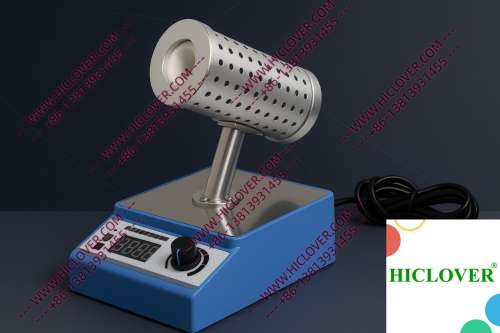
The Micro Incinerator operates on a simple yet highly effective principle: infrared heat. This technology utilizes an enclosed ceramic tube that reaches high temperatures rapidly, allowing for effective sterilization without the complications associated with open flames. The ceramic heating chamber ensures a uniform temperature distribution, providing swift and thorough thermal sterilization. As a result, microorganisms are eradicated effectively, making these devices ideal for both routine sterilization in labs and specific usages in varied environments.
Advantages of Infrared High-Temperature Disinfection
- Enhanced Safety: Eliminates the risk of open flames in sensitive environments, making it suitable for BSL-2 and BSL-3 microbiology labs.
- Rapid Thermal Sterilization: Provides immediate results, significantly reducing wait times compared to traditional sterilization methods.
- Aerosol-Free Handling: Reduces the risk of aerosol generation, which is critical in preventing contamination.
- Compact Design: Ideal for use in laboratories with limited space for equipment, allowing for versatile placement.
- What is a Micro Incinerator, and how does it work?
A Micro Incinerator is a laboratory tool that provides rapid thermal sterilization using infrared heat via a sealed ceramic tube, ensuring effective disinfection of inoculating loops and other instruments. - Why should laboratories transition from flame burners to Micro Incinerators?
Micro Incinerators offer increased safety, reduced risk of contamination, compact design, and significant efficiency improvements over traditional flame burners. - Where is the Micro Incinerator most commonly used?
This equipment is widely used in microbiology labs, clinical diagnostics, university teaching laboratories, and field testing scenarios where portable sterilization is necessary. - Is the Micro Incinerator compliant with global biosafety standards?
Yes, it meets WHO guidelines and other laboratory sterilization standards, making it suitable for both research and teaching environments. - Can I use a Micro Incinerator in a cleanroom environment?
Absolutely! Its odor-free operation and absence of open flames make it ideal for sterile environments.
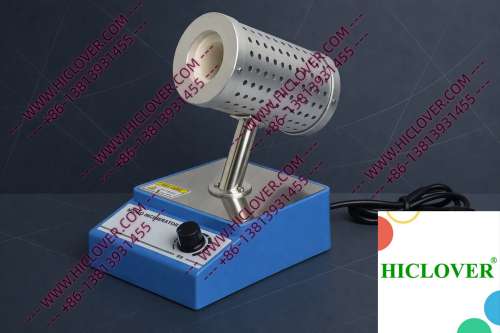
Application Scenarios in Laboratories
Use Case 1: Biosafety Cabinets in Microbiology Labs
In high-security microbiology labs, the use of Micro Incinerators is gaining momentum. For instance, when working with pathogenic organisms, scientists can rely on the reliable sterilization provided by infrared sterilizers. Inside a Class II biosafety cabinet, researchers can utilize these sterilizers to ensure that inoculation loops and other tools are free from potential contaminants. By switching from traditional alcohol lamps to a Micro Incinerator, labs not only enhance their safety but also streamline their sterilization processes, as the time spent managing fire hazards is eliminated.
Use Case 2: Field Testing in Remote Locations
Field testing requires specific equipment that can withstand variable conditions; thus, portability becomes essential. The Micro Incinerator is lightweight and yields high performance even in mobile setups. In scenarios where biologists or environmental scientists retrieve samples from natural habitats, ensuring that their inoculation loops are sterilized quickly prevents cross-contamination. The odor-free operation and quick turnaround of the Micro Incinerator make it the perfect companion for field researchers who need reliable sterilization away from traditional laboratory settings.
Compliance and Global Standards
Adhering to biosafety standards is of paramount importance in laboratory environments. According to WHO biosafety guidelines, eliminating open flames is essential in clean rooms and controlled spaces to mitigate risks associated with air contamination. The Micro Incinerator is compliant with laboratory sterilization standards, making it suitable for use in various environments, including clinical diagnostics and educational institutions across urban centers like London, New York, and Tokyo. Laboratories that prioritize safety and efficiency can benefit greatly from adhering to these regulations while employing advanced sterilization methods.
Comparison of Sterilization Methods
| Feature | Micro Incinerator | Flame Burners |
|---|---|---|
| Safety | Odor-free and cleaner | Open flame risks |
| Efficiency | Rapid thermal sterilization | Variable heat control |
| Space Requirements | Compact design | More space needed for traditional setups |
| Aerosol Generation | Aerosol-free | Possible aerosol problems |
| Temperature Control | Stable and consistent | Unstable |
FAQs About Micro Incinerator Systems
Conclusion
Investing in a Micro Incinerator or Infrared Inoculating Loop Sterilizer not only boosts the safety and efficiency of your laboratory processes but also aligns with modern biosafety standards. As the demand for enhanced sterilization systems rises, adopting these innovative solutions will position your laboratory at the forefront of laboratory sterilization technology. Contact us today to explore purchasing options for your laboratory needs and ensure you are equipped with the best sterilization solutions for your workflow.
Categories:
Tags: