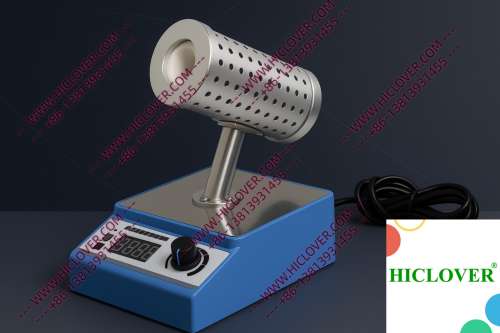
Laboratory environments are constantly under pressure to maintain rigorous biosafety standards while ensuring efficient workflows. Challenges often arise in contamination control during the sterilization process of inoculating loops, needles, and other laboratory tools. As laboratories increasingly focus on safety, innovation, and reliability, the demand for advanced sterilization equipment has surged. Among these innovations, smart lab sterilizers, particularly the Micro Incinerator / Infrared Inoculating Loop Sterilizer, are gaining prominence.
Technical Principles Behind Micro Incinerators
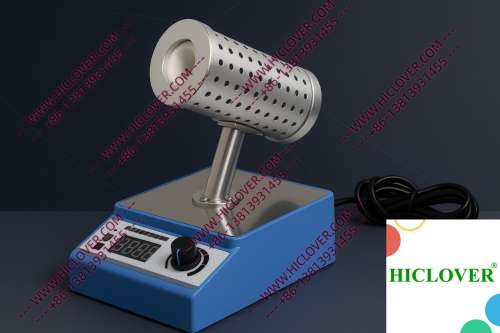
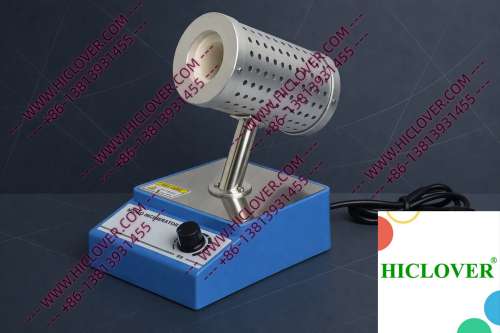
The Micro Incinerator utilizes infrared heat, a technology that ensures rapid thermal sterilization without exposing the workspace to open flames. Within this system, an enclosed ceramic tube provides a heating chamber that’s efficient and easy to maintain. Unlike traditional flame sterilizers, which can produce soot and other residues, the Micro Incinerator offers a clean and controlled method for achieving high-level disinfection.
Applications in Real Laboratory Scenarios
One of the key application environments for the Micro Incinerator is the BSL-2/BSL-3 microbiology lab. Here, researchers work with potentially hazardous microorganisms. The Micro Incinerator’s aerosol-free handling capability enhances safety by preventing contamination during sterilization. Positioned within a biosafety cabinet, the device allows technicians to precisely and efficiently sterilize equipment without the risk associated with flame-based systems.
Another significant application is in university teaching labs. Instructors often emphasize proper lab techniques and contamination control among students. The Micro Incinerator provides an ideal teaching tool, promoting safe practices that comply with microbiology lab standards. Its compact design ensures that it fits within limited lab spaces while maintaining functionality.
Compliance and Environmental Considerations
International standards, including those set by the World Health Organization (WHO), highlight the importance of adopting safe laboratory practices to prevent biological hazards. Traditional flame sterilizers produce emissions that may not be suitable for use in cleanrooms or closed environments. The Micro Incinerator, with its enclosed design, adheres to strict biosafety regulations by eliminating open flames, reducing fire hazards, and promoting clean operation.
In addition, regulatory bodies such as the CDC and OSHA advocate for the use of advanced sterilization technologies to ensure compliance with health and safety standards. Brokers supplying laboratories across cities like San Francisco and New York can enhance their offerings by including the Micro Incinerator, allowing clients to meet all necessary compliance requirements while improving operational efficiency.
Comparison: Micro Incinerator vs. Traditional Flame Sterilizers
| Feature | Micro Incinerator | Flame Sterilizers |
|---|---|---|
| Heat Source | Infrared | Open Flame |
| Emissions | No emissions | Produces soot and smoke |
| Safety | Low risk of fire | Higher risk of burns and fires |
| Ease of Use | One-touch operation | Requires manual flame control |
| Operational Costs | Low maintenance | Higher due to gas consumption |
FAQs About Micro Incinerators
- What is a Micro Incinerator? A Micro Incinerator is a smart laboratory sterilizer that uses infrared heat for rapid thermal sterilization.
- How does it differ from traditional flame sterilizers? It eliminates open flames, has a lower risk of burns, and produces no emissions, promoting a cleaner and safer laboratory environment.
- Can it be used in biosafety cabinets? Yes, its compact design and aerosol-free handling make it perfect for use within biosafety cabinets.
- Is it suitable for university teaching labs? Absolutely! It’s an excellent way to teach students proper sterilization techniques while ensuring safety.
- What compliance standards does it meet? It complies with WHO biosafety standards and various health regulations, making it suitable for all laboratory environments.
Conclusion
The advent of smart lab sterilizers like the Micro Incinerator represents a significant leap forward in laboratory safety and efficiency. By marrying advanced sensor technology with effective sterilization methods, this innovative device facilitates compliance with stringent biosafety standards while promoting a cleaner, safer laboratory environment. As laboratories in metropolitan areas such as Chicago or Los Angeles seek to invest in reliable sterilization technology, the Micro Incinerator stands out as an essential tool to meet both regulatory demands and operational needs.
If you are a laboratory supply distributor, a research center, or an educational institution looking to enhance your sterilization process, consider investing in a Micro Incinerator today. Contact us to learn more about how this advanced sterilization solution can elevate your lab’s biosafety standards.
Categories:
Tags: