
In the world of medical and research laboratories, biosafety challenges dictate the need for innovations that ensure contamination control and effective sterilization. The rising standards of cleanliness in labs, particularly concerning pathogenic research, have prompted the adoption of advanced laboratory sterilization equipment. Among these breakthroughs, the Micro Incinerator, often known as the Infrared Inoculating Loop Sterilizer, stands out as a game changer.
Addressing Biosafety Challenges in Laboratories
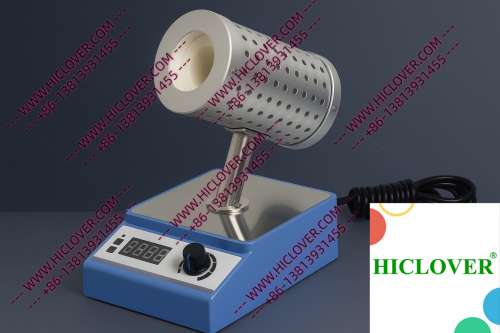
The intricate workflows in laboratories are often hampered by traditional sterilization methods involving alcohol lamps or Bunsen burners. These methods pose several challenges—inadequate sterilization, risk of open flames in clean environments, and potential aerosol generation during the process. As research laboratories in Raleigh, a hub for medical innovation, accelerate their work, there’s a growing demand for efficient, safe, and rapid thermal sterilization solutions. The Micro Incinerator addresses these challenges, providing a necessary enhancement to laboratory sterilization protocols.
Understanding the Micro Incinerator’s Technical Principles
The Micro Incinerator operates using infrared heat, which delivers high-temperature disinfection efficiently. It features an enclosed ceramic heating chamber that rapidly reaches temperatures sufficient to eliminate microorganisms without producing aerosols or exposing staff to flames. This technology not only sterilizes inoculating loops, needles, and other laboratory tools but also guarantees the integrity of surrounding environments, making it suitable for clean rooms or BSL-2 and BSL-3 labs.
Features of the Micro Incinerator
- Rapid Thermal Sterilization: Achieves sterilization in seconds, improving laboratory workflow efficiency.
- Flame-Free Operation: Reduces risks associated with open flames, particularly critical in clean benches and incubators.
- Energy Efficient: Consumes less energy relative to traditional flame methods.
- Low Maintenance: Minimal upkeep required compared to flame sterilization equipment.
Application Scenarios in Real Labs
The Micro Incinerator is versatile, finding applications in various lab settings. Below are two prominent scenarios that exemplify its efficacy:
1. Clinical Diagnostics Labs
In clinical diagnostics, maintaining contamination control is paramount. The Micro Incinerator is regularly utilized within biosafety cabinets, where health professionals rely on sterilized tools to handle sensitive samples. The instantaneous nature of infrared sterilization allows technicians to maintain workflow without interruption, significantly reducing turnaround times for diagnoses while adhering to stringent biosafety protocols.
2. University Teaching Labs
Educational institutions, particularly those training future microbiologists, benefit immensely from the Micro Incinerator. In teaching labs where students practice sterile techniques, the safety of using a flame-free unit mitigates potential accidents while ensuring effective disinfection of inoculating loops between uses. The ease of operation promotes a better learning environment, free from distractions related to flame management.
Compliance with Biosafety and Laboratory Standards
Regulatory compliance is crucial for laboratories, particularly with regards to organizations like the World Health Organization (WHO) and other national biosafety standards. The Micro Incinerator aligns with these regulations, offering a flame-free solution that is essential in BSL-2 and BSL-3 labs. Moreover, its design helps maintain the sterile environment of clean rooms wherein open flames are prohibited.
Biosafety Considerations
With the ongoing evolution of laboratory biosafety protocols, adopting equipment that minimizes infection risks, such as infrared sterilizers, is non-negotiable. Traditional flame sterilizers can hinder laboratory compliance due to their inherent risks. The Micro Incinerator, on the other hand, supports laboratories in adhering to various sterilization standards, including:
- ISO 15189 – Medical laboratories—Requirements for quality and competence
- WHO Laboratory Biosafety Manual guidelines
- CDC’s Biosafety in Microbiological and Biomedical Laboratories (BMBL)
Advantages of Micro Incinerators Over Traditional Flame Sterilizers
| Feature | Micro Incinerator | Flame Burners |
|---|---|---|
| Waste Generation | Aerosol-Free | High Aerosol Production |
| Energy Consumption | Low | High |
| Risk of Fire | Minimal | High |
| Startup Time | Immediate | Long |
Frequently Asked Questions
Q1: How quickly can the Micro Incinerator sterilize instruments?
A: The Micro Incinerator can achieve sterilization in a matter of seconds, making it ideal for fast-paced laboratory settings.
Q2: Is the Micro Incinerator safe to use in clean rooms?
A: Yes, its flame-free design ensures it meets the stringent requirements for use in clean rooms.
Q3: What types of labs benefit from using this equipment?
A: Clinical diagnostics, BSL-2/BSL-3 microbiology labs, teaching institutions, and mobile field testing labs can all benefit significantly from this device.
Q4: How does the Micro Incinerator compare with traditional sterilizing equipment?
A: It offers greater efficiency, lower risk of contamination, and enhanced compliance with biosafety regulations compared to traditional flame sterilizers.
Q5: Can this sterilizer be used for materials other than inoculating loops?
A: Yes, it can sterilize other laboratory tools such as needles and certain types of small laboratory equipment.
Conclusion
The advent of the Micro Incinerator signifies a major shift in laboratory sterilization solutions, especially for medical labs in Raleigh and beyond. With its rapid thermal sterilization capabilities, biosafety compliance, and safe operational design, it redefines cleanliness for modern lab workflows. If your facility is ready to embrace a cleaner, safer, and more efficient sterilization solution, consider contacting us for more information on procuring the Micro Incinerator.
Categories:
Tags: