
In the ever-evolving landscape of laboratory biosafety, ensuring contamination control remains a paramount challenge. With increasing pathogen virulence and regulatory demands, laboratories must adopt efficient sterilization techniques that meet stringent biosafety criteria. Amidst traditional methods, the advent of advanced microbiology sterilizers, specifically the Micro Incinerator or Infrared Inoculating Loop Sterilizer, stands out as a game-changer in maintaining laboratory sterility and safety.
Meeting Laboratory Sterilization Demands
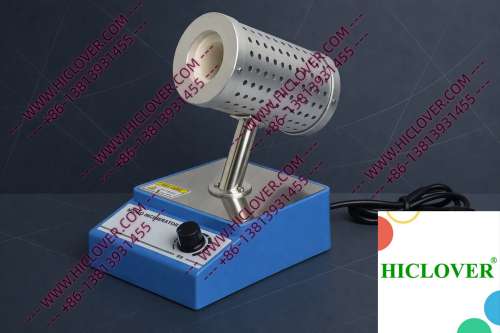
The pressure to streamline sterilization workflows while ensuring maximum sterility is increasingly evident in laboratories across various sectors—from clinical diagnostics to academic research. Conventional flame sterilizers, such as alcohol lamps and Bunsen burners, pose several limitations, including fire hazards, fluctuating flame temperatures, and aerosol generation, which can compromise a clean working environment.
In contrast, the Micro Incinerator utilizes rapid thermal sterilization, achieving high-temperature disinfection without the risks associated with open flames. This cutting-edge sterilization equipment is designed to eliminate the potential for contamination and is compliant with the latest standards in biosafety protocols.
Technical Principle of the Micro Incinerator
The Micro Incinerator operates on a sophisticated principle of infrared heating within an enclosed ceramic tube. This configuration generates consistent high temperatures, ensuring that inoculating loops and other laboratory tools are sterilized in seconds, thereby significantly reducing the time required for procedures.
With a compact design and precise heating control, the Micro Incinerator allows for sterilization in both clean benches and biosafety cabinets, making it an ideal choice for BSL-2 and BSL-3 microbiology applications. Its inherent advantages over traditional flame sterilizers include:
- Reduced risk of fire hazards
- Consistent and precise temperature management
- Aerosol-free handling of instruments
- Time efficiency, facilitating higher throughput
Application Scenarios in Real Laboratories
1. Biosafety Cabinets and Clean Benches
In controlled environments such as biosafety cabinets, utilizing the Micro Incinerator enables researchers to maintain sterility while preventing contamination from airborne particles. This is especially vital during manipulations of pathogens in BSL-2 and BSL-3 laboratories, where the risk of exposure to hazardous materials is heightened. The Micro Incinerator’s rapid functionality ensures that tools can be sterilized in isolation, allowing scientists to focus on their work without distractions from sterilization processes.
2. Teaching Laboratories in Universities
In academic settings, where students are trained in microbiological methods, the Micro Incinerator provides a safe and effective teaching tool. Its ease of use allows students to quickly sterilize inoculating loops between experiments, reinforcing good laboratory practices without the complexities associated with flame-based sterilization. This leads to an enriched educational experience, ensuring that environmental safety is prioritized as students develop their skills in microbiological research.
Compliance with International Biosafety Standards
The introduction of advanced sterilization methods aligns with the requirements set forth by the World Health Organization (WHO) and other health guidelines. Cleanliness in laboratories is not merely a best practice; it is a critical compliance issue. The Micro Incinerator is engineered to adhere to the biosafety protocols that limit the use of open flames in clean rooms, ultimately enhancing safety and efficiency. Adopting this device also reflects commitment to laboratory sterilization standards, fostering a safer and more compliant research environment.
“Safe laboratory practices begin with effective sterilization techniques—innovation is paramount.”
Comparison of Micro Incinerator vs. Traditional Flame Burners
| Feature | Micro Incinerator | Flame Burners |
|---|---|---|
| Heat Source | Infrared Heating (Enclosed) | Open Flame |
| Speed of Sterilization | Seconds | Variable |
| Safety | Low Fire Hazard | High Fire Hazard |
| Aerosol Generation | None | Yes |
FAQs
- What is the operating temperature of the Micro Incinerator? The Micro Incinerator typically operates at a temperature exceeding 800°C, ensuring rapid and effective sterilization.
- Can the Micro Incinerator be used in a BSL-3 laboratory? Yes, it is designed to meet the biosafety needs of BSL-3 laboratories, providing efficient sterilization without the risks of flammable materials.
- How long does it take to sterilize an inoculating loop? The Micro Incinerator sterilizes an inoculating loop in approximately 3 to 5 seconds.
- Is the Micro Incinerator easy to use for beginners? Absolutely! Its simple operation makes it ideal for teaching laboratories and for individuals new to microbiological techniques.
- What are the main advantages of infrared sterilization compared to traditional methods? Key advantages include higher speed, better safety profiles, and reduced risks of contamination from aerosols and flames.
Conclusion: Embrace the Future of Laboratory Sterilization
The Micro Incinerator or Infrared Inoculating Loop Sterilizer exemplifies a paradigm shift in laboratory sterilization, effectively addressing contemporary biosafety challenges with innovative solutions. It not only enhances the sterility of laboratory tools but also contributes to a safer working environment by eliminating the risks associated with traditional flame-based methods. To elevate your laboratory’s cleanliness protocols and foster a culture of safety, consider integrating the Micro Incinerator into your sterilization practices. Contact us for more information on how to procure this essential equipment for your facility.
Categories:
Tags: