
Laboratories face a multitude of biosafety challenges, particularly in maintaining strict contamination control protocols in environments where precision and cleanliness are critical. The emergence of advanced sterilization solutions, such as the Micro Incinerator or Infrared Inoculating Loop Sterilizer, offers a promising alternative to traditional flame sterilizers. This article explores how these modern sterilizers are revolutionizing laboratory workflows while meeting essential compliance standards.
Challenges in Laboratory Sterilization Workflows
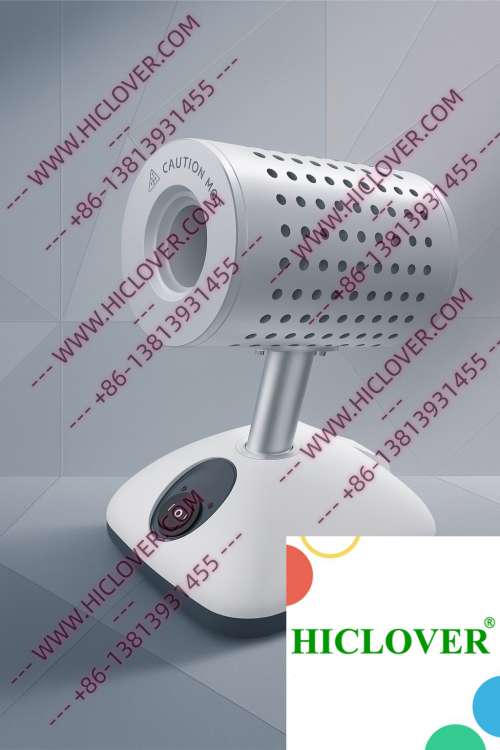
In laboratory settings, ensuring that tools and workspaces are free from microbial contamination is paramount. Traditional methods, such as Bunsen burners and alcohol lamps, can introduce risks, including flame hazards and aerosol emissions—problems particularly crucial in BSL-2 and BSL-3 laboratories where pathogen exposure must be contained. Furthermore, utilizing flame-based sterilization in cleanrooms is often prohibited, making the need for safer, more efficient alternatives urgent.
Understanding the Micro Incinerator: Technical Principles and Configuration
The Micro Incinerator employs infrared heat to achieve rapid thermal sterilization. With a design centered around an enclosed ceramic heating chamber, it allows for precise temperature control and efficient energy usage. The sterilizer operates without open flames, drastically reducing the risk of accidental fires and ensuring clean bench safety during sensitive procedures.
Key Features of the Micro Incinerator
- Rapid Thermal Sterilization: Achieves effective sterilization in seconds.
- Compact and Portable: Ideal for labs with limited space or for field applications.
- Energy Efficient: Low power consumption compared to traditional flame sources.
- Aerosol-Free Handling: Ensures safer use in high-biosafety environments.
Application Scenarios in Real Laboratories
1. Biosafety Cabinets in Clinical Diagnostics
In the realm of clinical diagnostics, particularly within BSL-2 and BSL-3 facilities, the Micro Incinerator proves indispensable. When working within a biosafety cabinet, microbiologists can use the sterilizer to decontaminate inoculating loops and other implements quickly without the threat of flame or toxic fumes. This efficiency enhances workflow and minimizes the risk of cross-contamination between samples.
2. Teaching Labs and University Settings
University labs utilizing the Micro Incinerator facilitate hands-on training for students studying microbiology and laboratory techniques. In a teaching setting, where safety must not be compromised, the device allows students to perform inoculations and sub-culturing processes with the assurance that they are working with sterilized tools. This practice not only reinforces good laboratory practices but also prepares students for future roles in research and clinical labs.
Compliance with International Biosafety Standards
Compliance with biosafety regulations is critical for laboratories to mitigate contamination risks. The World Health Organization (WHO) provides guidelines on biosafety, which stress the importance of utilizing sterilization methods that do not compromise the sterile field or introduce hazards.
| Feature | Micro Incinerator | Flame Sterilizers |
|---|---|---|
| Open Flame | No | Yes |
| Aerosol Emissions | No | Yes |
| Temperature Control | Precise | Variable |
| Energy Efficiency | High | Low |
Conclusion: The Future of Laboratory Sterilization Solutions
As healthcare and laboratory environments continually evolve, the demand for reliable, efficient sterilization methods is greater than ever. The Micro Incinerator not only satisfies compliance requirements but also enhances laboratory workflows by providing a safe, user-friendly solution for sterilization needs. Whether for clinical diagnostics, teaching labs, or mobile field testing, it stands out as a superior choice over traditional flame sterilizers.
If your organization is looking to upgrade its sterilization equipment to better meet the demands of modern laboratory practices, the Micro Incinerator is a leading candidate. Contact us today to learn more about how we can assist in enhancing the safety and efficiency of your laboratory operations.
Frequently Asked Questions
Q1: How does the Micro Incinerator differ from traditional flame sterilizers?
The Micro Incinerator uses infrared heat and enclosed ceramic tubes to provide rapid thermal sterilization, effectively eliminating the risks associated with open flames, such as burns and flammable vapors.
Q2: Is the Micro Incinerator suitable for use in cleanroom environments?
Yes, the Micro Incinerator is designed for cleanroom safety, as it does not produce flames or aerosols, making it compliant with cleanroom protocols.
Q3: How quickly can I achieve sterilization with the Micro Incinerator?
Typically, sterilization occurs in just a few seconds, allowing for rapid workflows without compromising safety or sterility.
Q4: What is the maintenance required for the Micro Incinerator?
Minimal maintenance is required. Users should regularly inspect the ceramic heating elements for wear and clean the external surface to ensure optimal performance.
Q5: Can I use the Micro Incinerator in field settings?
Absolutely! Its portable design makes it ideal for mobile laboratories and field testing environments where conventional sterilizers may not be practical.
Categories:
Tags: