
In the realm of laboratory research and clinical diagnostics, maintaining rigorous cleanliness standards is essential to ensure the integrity of experiments and patient safety. One of the most significant challenges faced by laboratories today is the effective sterilization of equipment and materials, particularly in high-stakes environments like BSL-2 and BSL-3 labs. As the demand for rapid thermal sterilization methods grows, innovative solutions such as the Micro Incinerator / Infrared Inoculating Loop Sterilizer are increasingly becoming integral components of the sterilization workflow in Amman’s medical labs.
Understanding Advanced Sterilization Technology
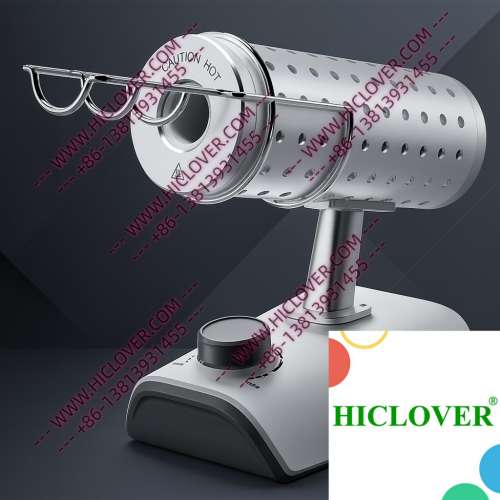
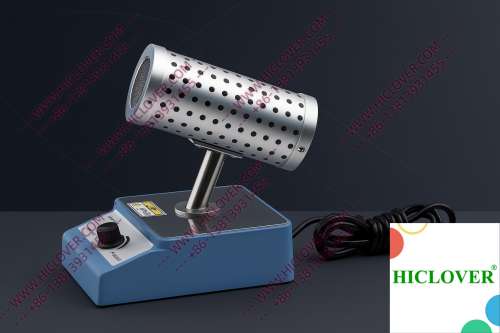
The Micro Incinerator operates on the principle of infrared heat, utilizing a ceramic heating chamber which delivers high-temperature disinfection to sterilize inoculating loops, needles, and other small instruments quickly and effectively. This enclosed ceramic tube generates intense, focused heat, eliminating contaminants through rapid thermal sterilization without the risks associated with traditional flame methods.
Key Features of the Micro Incinerator
- Rapid Sterilization: Achieves sterilization in less than 10 seconds.
- Safety Features: Operates without an open flame, reducing risks of fire hazards.
- Environmentally Friendly: No emissions or residues compared to alcohol lamps and Bunsen burners.
- Ease of Use: Simple operational design facilitating user-friendly experiences in labs.
Application Scenarios in Real Labs
In Amman’s rapidly evolving medical landscape, advanced sterilizers are beneficial across various laboratory environments. Two notable application scenarios include:
1. Biosafety Cabinets in Microbiology Labs
In microbiology laboratories, particularly within BSL-2 settings, the Micro Incinerator serves as an invaluable asset. It allows microbiologists to maintain a clean workspace within biosafety cabinets, enhancing conditions to prevent cross-contamination. Here, researchers can efficiently sterilize their inoculating loops and tools, thereby ensuring the integrity of their bacterial cultures and adherence to strict biosafety protocols.
2. Teaching Labs for University Education
The importance of proper sterilization in teaching laboratories cannot be overstated. Educational institutions in Amman utilize the Micro Incinerator to teach students about effective contamination control practices. By replacing traditional flame sterilizers, educators can demonstrate the importance of safe sterilization procedures without jeopardizing the potential risks associated with flame-based methods. This not only enhances student learning but also ensures a safe teaching environment.
Compliance and Environmental Considerations
Laboratory sterilization is subject to stringent guidelines and standards set forth by organizations such as the World Health Organization (WHO). The Micro Incinerator is compliant with modern lab sterilization standards, ensuring that users remain in accordance with safety regulations designed to protect both personnel and the environment. Traditional flame sterilizers often produce aerosols and hazardous contaminants, making the Micro Incinerator a preferred choice in clean rooms where maintaining air quality is crucial.
Micro Incinerator vs. Traditional Flame Sterilizers
When comparing the Micro Incinerator with traditional flame sterilizers like alcohol lamps and Bunsen burners, several advantages become apparent:
| Features | Micro Incinerator | Flame Sterilizers |
|---|---|---|
| Ease of Use | Simple, requires no adjustment | Requires careful flame management |
| Speed of Sterilization | Under 10 seconds | Varies, generally longer |
| Safety Features | No open flames | Risk of burns or fire hazards |
| Environmental Impact | No emissions or aerosol production | Potentially hazardous emissions |
Frequently Asked Questions
What is the Micro Incinerator used for?
The Micro Incinerator is designed to rapidly sterilize inoculating loops, needles, and other small laboratory instruments to ensure maximum cleanliness in various laboratory settings.
How does the infrared sterilization process work?
This system utilizes a ceramic chamber that emits high temperatures through infrared radiation, effectively disinfecting instruments in a matter of seconds without the need for flames.
Is the Micro Incinerator safe for use in BSL-3 laboratories?
Yes, the Micro Incinerator meets the necessary safety protocols and can effectively sterilize equipment in BSL-3 environments without the risk of aerosol production.
Can the Micro Incinerator be used in teaching labs?
Absolutely, it is an excellent educational tool for demonstrating proper sterilization techniques in university teaching labs while ensuring a safe learning environment.
How does this equipment comply with WHO guidelines?
The Micro Incinerator adheres to WHO biosafety standards by providing a safe, efficient, and clean sterilization method that minimizes contamination risks.
Conclusion
The adoption of advanced sterilization technologies like the Micro Incinerator is transforming the landscape of laboratory cleanliness and safety in Amman. By facilitating rapid thermal sterilization without flame hazards, this cutting-edge equipment is paving the way for improved biosafety practices in hospitals and medical labs. For distributors, research centers, and educational institutions ready to enhance their laboratory infrastructure, investing in the Micro Incinerator could be a significant next step. Contact us today to learn more about how this innovative sterilization equipment can revolutionize your lab’s cleanliness!
Categories:
Tags: