
In various laboratory environments, especially in BSL-2 and BSL-3 microbiology labs, the need for effective sterilization methods has never been more critical. Traditional methods, including alcohol lamps and Bunsen burners, present challenges related to safety, reliability, and compliance with the latest biosafety standards. With modern laboratory sterilization equipment, such as the Micro Incinerator or Infrared Inoculating Loop Sterilizer, researchers can navigate these challenges efficiently while ensuring a contamination-free workspace.
Laboratory Biosafety Challenges and Sterilization Workflow Demands
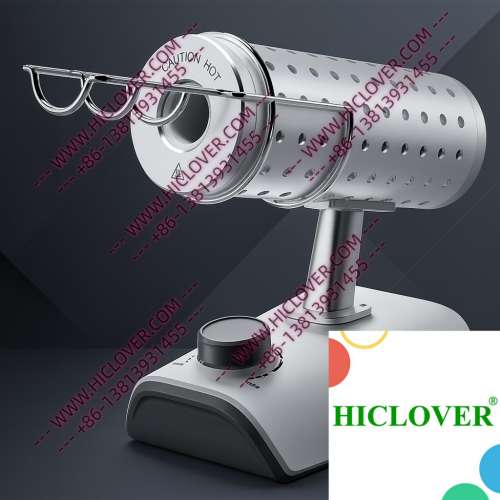
Laboratory workflows require rigorous contamination control, particularly in environments handling pathogens or sensitive biological materials. Traditional flame-based sterilization methods produce heat and flames, which can lead to aerosol generation and pose safety hazards. Additionally, these methods can often fall short in terms of rapid thermal sterilization and disinfecting efficacy. As such, the shift towards infrared sterilization systems offers a viable solution for addressing these biosafety challenges.
Understanding the Technical Principles Behind Infrared Sterilization
The Micro Incinerator operates on the principle of infrared heat conduction. It features an enclosed ceramic heating chamber that generates high temperatures rapidly through infrared radiation. Unlike traditional flames, infrared heat ensures that there’s no open flame, significantly minimizing the risk of fires or contamination from burning materials. This high-temperature disinfection method allows for quick sterilization of inoculating loops, needles, and other lab instruments.
Product Configuration and Advantages
This device not only provides a clean, efficient heat source but is also designed to cater specifically to laboratory needs. Its compact form is ideal for use in biosafety cabinets, ensuring that educators and technicians can conduct their experiments and training without compromising lab safety. The absence of flames allows these systems to be operated safely in clean rooms and even during long-duration experiments, such as in CO₂ incubator or anaerobic chamber operations.
Application Scenarios in Real Labs
Biosafety Cabinets
In BSL-2 and BSL-3 microbiology labs, the Micro Incinerator is an invaluable tool to ensure sterile conditions. When working within biosafety cabinets, researchers often require quick and reliable sterilization of tools without introducing an open flame that might compromise the sterile environment. With the Micro Incinerator, researchers can achieve rapid disinfection that meets the demands of their work while keeping all materials secure and uncontaminated.
Field Testing and University Teaching Labs
Another application of the Micro Incinerator can be found in field testing environments. Researchers conducting experiments outside of traditional laboratory settings often face challenges of limited access to sterilization resources. Portable infrared loop burners offer a solution, providing immediate heat-based sterilization to maintain sample integrity in various environments. In university teaching labs, these devices assist instructors in demonstrating sterilization concepts without the hazards associated with flame-based methods.
Compliance and Environmental Considerations
Compliance with biosafety regulations is crucial in laboratory settings. WHO guidelines and various laboratory sterilization standards emphasize the need for effective sterilization methods without compromising safety or environmental integrity. Traditional flame sterilizers often generate aerosols, which are a significant concern for biosafety due to possible risks of airborne pathogens.
Infrared loop burners are compliant with these safety standards, making them suitable for use in environments where cleanroom protocols are paramount. The absence of a flame means that there’s no risk of combustion-related incidents, and the rapid heating properties ensure that sterilization can occur efficiently, safeguarding both the operators and the integrity of their work.
Comparison Table: Micro Incinerator vs. Flame Burners
| Feature | Micro Incinerator | Flame Burners |
|---|---|---|
| Heating Method | Infrared Radiation | Open Flame |
| Safety | Low Risk (No Open Flame) | High Risk (Potential for Contamination and Fire) |
| Speed of Sterilization | Rapid Thermal Sterilization | Variable (Depends on User) |
| Areas of Use | Biosafety Cabinets, Clean Rooms | General Laboratory Use |
| Environmental Impact | Aerosol-Free Handling | May Produce Aerosols |
Frequently Asked Questions
- What is the key advantage of using a Micro Incinerator in laboratory settings? The key advantage is its ability to provide rapid and safe sterilization without the risks associated with open flames.
- Can the Micro Incinerator be used in field testing? Yes, its portable design makes it suitable for use in field laboratories and remote testing environments.
- What safety standards does the Micro Incinerator comply with? It complies with WHO biosafety standards, making it safe for use in sensitive laboratory environments.
- How does infrared sterilization compare to traditional methods? Infrared sterilization is faster, safer, and reduces the risk of contamination compared to traditional flame methods.
- Is training required to use the Micro Incinerator? While not extensive, some training on correct usage and safety procedures is recommended to ensure effective application.
Conclusion
As laboratory practices continue to evolve, the integration of advanced sterilization technologies such as the Micro Incinerator or Infrared Inoculating Loop Sterilizer signifies a major leap in laboratory safety and efficiency. By offering a reliable, flame-free method for sterilization, laboratories can enhance their operational workflows and maintain compliance with biosafety standards. For those in the market for a cutting-edge solution in sterilization equipment, don’t hesitate to contact us for more information or to make a purchase tailored to your laboratory’s unique needs.
Categories:
Tags: