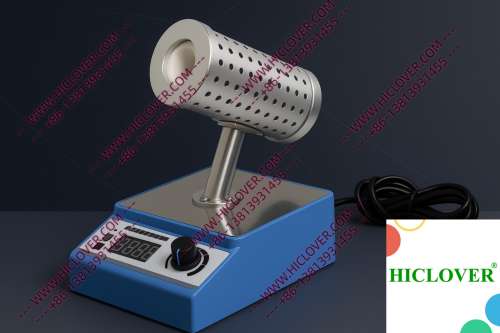
In today’s fast-evolving medical landscape, laboratories face formidable biosafety challenges and stringent sterilization workflow demands. As global healthcare standards rise, the importance of effective sterilization methods cannot be overstated, particularly in regions like Arusha, where diagnostic capabilities are vital for effective healthcare delivery. One innovative solution driving this transformation is the Micro Incinerator / Infrared Inoculating Loop Sterilizer, a game-changer in laboratory sterilization equipment.
The Importance of Effective Sterilization
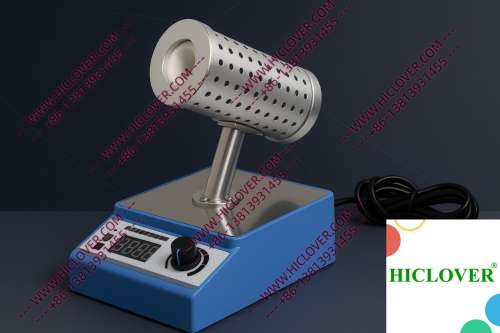
Contamination control is paramount in any laboratory setting, particularly within BSL-2 and BSL-3 microbiology labs that handle pathogenic microorganisms. Traditional flame sterilizers, such as alcohol lamps and Bunsen burners, present numerous challenges including safety hazards, variability in temperature, and limitations related to clean-bench safety. These factors can impede workflows and pose risks to laboratory professionals. In contrast, modern sterilizers utilize rapid thermal sterilization principles that not only ensure high temperatures for effective disinfection but also enhance the overall safety of laboratory operations.
Technical Principles Behind Micro Incinerators
The Micro Incinerator operates using an enclosed ceramic heating chamber that employs infrared heat to kill microorganisms quickly and efficiently. By using infrared high-temperature disinfection, the sterilizer achieves optimal sterilization without exposing laboratory personnel to open flames or hazardous fumes. The design is compact and efficient, allowing it to be easily integrated into various laboratory setups, including biosafety cabinets and mobile field testing labs.
Configuration and Benefits
Equipped with an adjustable temperature control, the Micro Incinerator enables users to precisely modify settings based on specific sterilization requirements. Notably, its aerosol-free handling minimizes the risk of airborne contamination, making it an ideal choice for both clinical diagnostics and university teaching labs. Unlike traditional methods, the Micro Incinerator offers:
- Rapid sterilization cycles
- Consistent heat distribution
- Reduced risk of burn hazards
- Environmentally friendly operation with no flames
Application Scenarios in Medical Labs
Scenario 1: University Teaching Labs
In educational settings such as university labs, the Micro Incinerator provides students with a safe and effective means of sterilizing inoculating loops and other instruments. This not only teaches best practices in biosafety but also prepares future professionals to manage contamination risks effectively.
Scenario 2: Field Testing Labs
For mobile field testing labs, the portable design of the Micro Incinerator is particularly advantageous. During outbreak responses, researchers can perform in-situ sample processing without the need for bulky equipment or complex setups. The quick turnaround time for sterilization allows for more efficient sample analysis, which is critical in regions like Arusha where public health decisions must be made swiftly.
Compliance and Environmental Considerations
Adhering to WHO guidelines for biosafety and lab sterilization standards is essential for any medical laboratory. The Micro Incinerator meets these compliance requirements effectively, as it eliminates the need for flames and thus mitigates risks associated with traditional burning methods, particularly in clean rooms. The reliance on infrared technology aligns with global standards for safe laboratory practices, enhancing both the safety and the efficacy of sterilization across various laboratory environments.
Micro Incinerator vs. Traditional Flame Sterilizers
| Feature | Micro Incinerator | Flame Sterilizers |
|---|---|---|
| Safety | High (No flames) | Medium (Risk of burns) |
| Temperature Control | Precise and adjustable | Variable |
| Heat Distribution | Even | Uneven |
| Use in Clean Areas | Safe | Not recommended |
Frequently Asked Questions
What are the key advantages of using a Micro Incinerator over traditional flame sterilizers?
The Micro Incinerator provides enhanced safety, precise temperature control, and is suitable for clean environments, unlike traditional flame sterilizers, which can pose burn hazards and are less efficient.
How can the Micro Incinerator reduce contamination risks?
By utilizing infrared heat and enclosed design, the Micro Incinerator minimizes the release of aerosols during sterilization, significantly reducing contamination risks compared to open flame methods.
Is the Micro Incinerator compliant with WHO biosafety standards?
Yes, the Micro Incinerator meets WHO biosafety guidelines and is designed to operate safely in compliance with international laboratory sterilization standards.
Can the Micro Incinerator be used in mobile testing labs?
Absolutely. Its compact and portable design makes it ideal for use in field laboratories where rapid and effective sterilization is crucial.
How does infrared heat contribute to effective sterilization?
Infrared heat ensures even and rapid thermal sterilization, effectively killing microorganisms by reaching high temperatures in a short time without the need for flames.
Conclusion
As Arusha’s medical laboratories continue to enhance their capabilities, adopting innovative solutions like the Micro Incinerator / Infrared Inoculating Loop Sterilizer is essential for improving diagnostic accuracy and safety. With its advanced technology and compliance with industry standards, this sterilization equipment not only addresses critical laboratory challenges but also supports the broader goal of improved health outcomes. To learn more about integrating the Micro Incinerator into your laboratory workflow, please contact us today.
Categories:
Tags: