
As laboratories across the globe increasingly grapple with stringent biosafety challenges, the need for effective sterilization solutions has never been greater. Traditional methods, such as alcohol lamps and Bunsen burners, have long been staples for sterilizing tools like inoculating loops. However, their limitations—including contamination risk, flame hazards, and operational inefficiencies—prompt the scientific community to seek alternative technologies. Enter the Micro Incinerator/Infrared Inoculating Loop Sterilizer: a modern solution poised to redefine sterilization protocols in various lab settings.
The Technical Principles Behind Infrared Loop Sterilizers
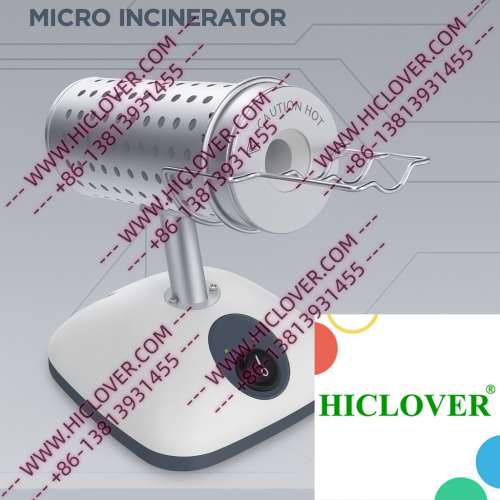
The Micro Incinerator employs infrared heat technology to achieve rapid thermal sterilization. Unlike traditional flame-based devices, which require an open flame, the Micro Incinerator uses a ceramic heating chamber to generate precise, targeted heat. This design not only minimizes the risk of burns or fires but also facilitates efficient contamination control.
When an inoculating loop is placed into the enclosed ceramic tube, it is subjected to temperatures that can exceed 850°C (1562°F). This high-temperature disinfection occurs without generating aerosols—making it a clean-bench-safe option. Furthermore, the enclosed design helps maintain sterility, reducing the risk of environmental contamination, which is crucial in sensitive environments such as microbiology labs and clinical diagnostics.
Application Scenarios in Real Labs
Biosafety Cabinets: The Ideal Environment
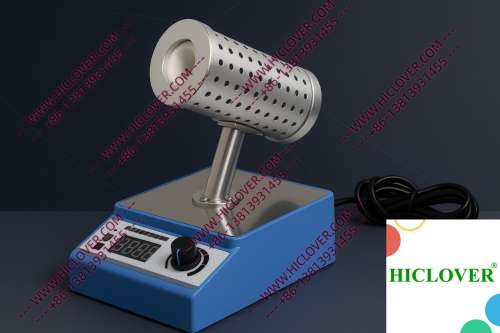
In BSL-2 and BSL-3 laboratories, where pathogens pose significant risks, the use of the Micro Incinerator is indispensable. These environments require strict adherence to biosafety protocols. The compact design of the Micro Incinerator allows it to fit seamlessly within standard biosafety cabinets, enabling microbiologists to implement sterile techniques while minimizing the risk of cross-contamination.
Field Testing: Versatility in Action
The benefits of the Micro Incinerator extend beyond the confines of traditional lab settings. In field testing scenarios, such as environmental sampling or mobile diagnostics, researchers rely on the portability and efficiency of this sterilizer. With its battery-operated variant, technicians can obtain instant sterilization without needing an external power source, ensuring that contamination does not compromise field results.
Compliance and Environmental Considerations
Compliance with WHO biosafety regulations and lab sterilization standards is paramount for any modern laboratory. The Micro Incinerator’s ability to provide flame-free sterilization aligns well with cleanroom requirements, where open flames are prohibited. Furthermore, the device’s design significantly reduces the risk of generating flammable aerosols, thereby enhancing overall lab safety. Strict adherence to these guidelines not only protects laboratory personnel but also fosters public confidence in research outcomes.
Comparison Table: Micro Incinerator vs. Traditional Flame Sterilizers
| Feature | Micro Incinerator | Traditional Flame Sterilizers |
|---|---|---|
| Temperature Control | Up to 850°C, precise | Variable, less precise |
| Risk of Contamination | Minimal, enclosed | High, open flame |
| Operational Safety | No flame, safe for clean rooms | Flame hazard, requires supervision |
| Maintenance | Low, easy cleaning | Higher, needs frequent inspection |
| Portability | Compact, battery options | Bulky, requires stable power |
FAQs About Micro Incinerators
- What is the difference between a Micro Incinerator and a Bunsen burner? The Micro Incinerator utilizes infrared heat for sterilization, eliminating open flames and reducing contamination risks, while Bunsen burners rely on combustible gas and pose a higher risk of flame-related accidents.
- Can the Micro Incinerator be used in field conditions? Yes, portable models are designed for field testing, allowing researchers to conduct sterilization effectively without needing an external power source.
- How does the Micro Incinerator contribute to biosafety compliance? Its flame-free operation and low risk of generating aerosols help facilities comply with WHO biosafety standards, making it suitable for BSL-2 and BSL-3 labs.
- Is the Micro Incinerator user-friendly for teaching labs? Absolutely! Its simple operation makes it ideal for educational settings, ensuring that students can learn safe sterilization practices without the risks associated with flames.
- What maintenance does a Micro Incinerator require? Maintenance is minimal; regular cleaning of the ceramic tube is usually sufficient to maintain optimal performance.
Conclusion: Elevate Your Sterilization Practices
The Micro Incinerator/Infrared Inoculating Loop Sterilizer represents a significant advancement in laboratory sterilization equipment. Its ability to provide rapid and efficient thermal sterilization while eliminating the dangers associated with traditional flame methods makes it a compelling choice for laboratories worldwide. Whether you’re operating in a BSL-2/BSL-3 microbiology lab, a university teaching space, or conducting field research, adopting this innovative sterilization technology can significantly bolster your biosafety protocols.
For more information on how the Micro Incinerator can transform your laboratory operations, and to explore purchasing options, please don’t hesitate to contact us. Your commitment to safety and innovation begins with the right sterilization equipment.
Categories:
Tags: