
In the fast-paced world of health care, particularly within the realm of laboratory biosafety, the challenges of maintaining sterile environments while ensuring efficiency in workflow are paramount. Traditional methods such as alcohol lamps and Bunsen burners, while widely used, come with a host of drawbacks, including open flames and the risk of contamination.
Introduction to Modern Sterilization Techniques
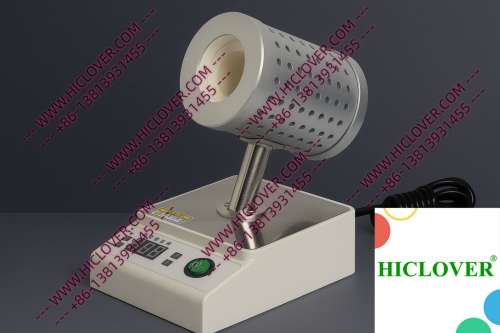
Laboratory sterilization equipment, specifically the Micro Incinerator / Infrared Inoculating Loop Sterilizer, is paving the way for a safer and more effective sterile environment in hospitals and research centers in Alexandria. This advanced instrument utilizes infrared heat to achieve rapid thermal sterilization, a method that not only ensures effective disinfection but also enhances safety by minimizing the risk of fire and harmful aerosols commonly associated with traditional sterilization methods.
Technical Principles: How Infrared Sterilizers Work
The Micro Incinerator operates through a sophisticated process that utilizes an enclosed ceramic tube as a heating chamber. This chamber offers high-temperature disinfection by generating infrared heat that rapidly sterilizes inoculating loops and other equipment. The principle behind this device lies in its ability to reach and maintain temperatures sufficient to eliminate microbial life, ensuring complete decontamination without the need for an open flame.
Configurations and Advantages
- Compact Design: Fits easily within biosafety cabinets.
- Quick Sterilization: Achieves sterilization within seconds.
- Environmentally Friendly: No harmful emissions or residue.
- Safety-First Approach: Eliminates the risk of burns and fire hazards.
Application Scenarios in Laboratories
The versatility of the Micro Incinerator makes it suitable for a variety of laboratory settings:
1. Clinical Diagnostics Labs
In clinical diagnostics, maintaining sterile protocols is crucial to ensure the accuracy of test results. Laboratories utilizing biosafety cabinets can benefit from infrared sterilizers as they can quickly sterilize inoculating loops between samples, thus minimizing cross-contamination and ensuring reliability in diagnostics.
2. University Teaching Labs
In university settings, where students are trained in microbiological techniques, using the Micro Incinerator fosters a safe learning environment. By employing this technology, instructors can demonstrate proper sterilization techniques without the risks associated with flame-based methods, offering students hands-on experience in a controlled setting.
Compliance with Safety Standards
Compliance with international biosafety standards is non-negotiable in laboratory operations. The World Health Organization (WHO) outlines extensive biosafety guidelines that labs must adhere to in order to protect both personnel and patient safety. Furthermore, laboratory sterilization standards necessitate the elimination of open flames in clean rooms and BSL-2/BSL-3 environments, making infrared sterilizers an ideal solution.
In addition to WHO guidelines, laboratories must comply with:
- ISO 14644: Cleanroom Standards
- CDC Lab Biosafety Guidelines
- NIH Guidelines for Research Involving Recombinant DNA Molecules
Comparison with Traditional Flame Sterilizers
| Feature | Micro Incinerator | Flame Burners |
|---|---|---|
| Operation Mode | Infrared Heat | Open Flame |
| Risk of Contamination | Low | High |
| Ease of Use | Quick and Simple | Requires Technique |
| Environmental Impact | Minimal | Significant |
FAQs About Micro Incinerators
What is the primary benefit of using a Micro Incinerator in laboratories?
The Micro Incinerator offers a rapid sterilization alternative that increases safety by eliminating open flames, reducing contamination risks, and being easy to use.
How does infrared sterilization compare to other methods?
Infrared sterilization is faster and less hazardous compared to traditional flame methods, as it does not expose users to risk from open flames, nor does it produce harmful aerosols.
Can Micro Incinerators be used in field testing?
Yes, the portable design of Micro Incinerators makes them ideal for use in mobile or field testing labs where quick and safe sterilization is essential.
Are Micro Incinerators compliant with safety standards?
Absolutely. They meet WHO biosafety guidelines and international sterilization standards, making them suitable for use in both clinical and research laboratories.
What types of laboratories are best suited for Micro Incinerator use?
Micro Incinerators are perfect for BSL-2/BSL-3 microbiology labs, clinical diagnostics, university teaching labs, and field-testing environments.
Conclusion
Incorporating advanced sterilization technology like the Micro Incinerator / Infrared Inoculating Loop Sterilizer into laboratory protocols is not just a trend; it represents a fundamental shift towards safer and more efficient health care practices. By investing in such innovative solutions, hospitals and research centers in Alexandria can enhance patient safety, streamline workflows, and comply with stringent biosafety regulations. For inquiries or to learn more about acquiring this essential laboratory equipment, please reach out to us.
Categories:
Tags: