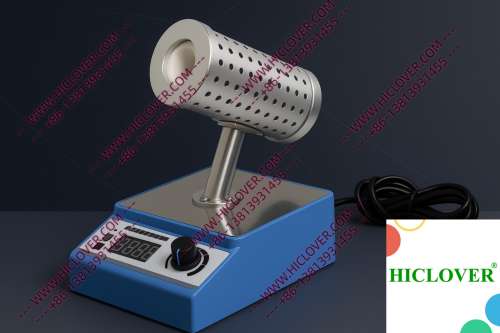
In today’s fast-paced medical environment, laboratories face numerous biosafety challenges. As global awareness of contamination and infection control escalates, particularly in the wake of global health crises, the need for effective laboratory sterilization has never been more urgent. Traditional microbial sterilization methods, often relying on alcohol lamps or Bunsen burners, are not only pose risks of open flames in sensitive cleanroom environments but also can lead to incomplete sterilization. This is where innovative solutions like the Micro Incinerator and Infrared Inoculating Loop Sterilizer come to play, enhancing operational safety and efficiency in Fujairah hospitals.
Understanding the Micro Incinerator: Technical Principles
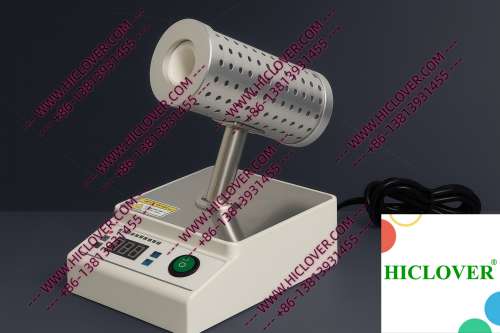
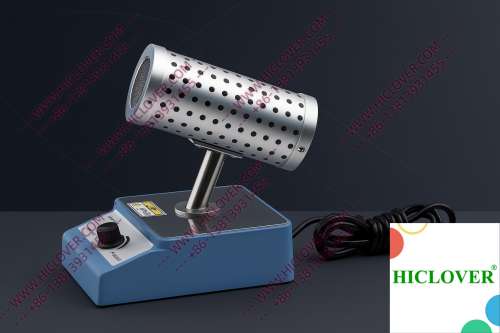
The Micro Incinerator is designed specifically to mitigate issues associated with conventional flame sterilizers. Utilizing rapid thermal sterilization, it leverages infrared heat to achieve high temperatures within an enclosed ceramic heating chamber. This setup ensures complete disinfection, significantly reducing the risk of cross-contamination. The principle revolves around the emission of infrared radiation that directly heats instruments, allowing for precise temperature control and uniform heating.
Key Features of the Micro Incinerator
- Enclosed Ceramic Tube: This design minimizes the risk of exposure to harmful aerosols, ensuring a safe working environment.
- Instant Heating: The infrared mechanism provides rapid heating, resulting in faster turnaround times for sterilization tasks.
- Clean-Bench-Safe Operation: Unlike traditional open-flame systems, it reduces the risk of contamination in biosafety cabinets and other sensitive settings.
- What is the primary advantage of the Micro Incinerator over traditional flame sterilizers?
The Micro Incinerator offers a safer, more efficient alternative with no open flames and superior contamination control. - Can the Micro Incinerator be used in BSL-3 labs?
Yes, the Micro Incinerator is ideal for BSL-2 and BSL-3 laboratories, providing a secure method for sterilizing instruments in high-risk environments. - How long does it take to achieve sterilization using a Micro Incinerator?
Typically, sterilization is achieved in a matter of seconds, making it significantly faster than traditional methods. - Is the Micro Incinerator safe for use in mobile labs?
Absolutely! Its design makes it portable and safe for use in various laboratory settings, including field testing. - What are the maintenance requirements for the Micro Incinerator?
Maintenance is minimal; regular cleaning and occasional inspections are recommended to ensure optimal performance.
Real-world Applications in Laboratories
Fujairah hospitals, with their evolving healthcare infrastructures, are starting to adopt modern sterilization technologies. Here are two application scenarios where the Micro Incinerator proves invaluable:
1. Biosafety Cabinets in Clinical Diagnostics
In a typical clinical diagnostics lab operating at BSL-2 or BSL-3 levels, instruments used for sensitive microbial analysis can easily become sources of contamination. Utilizing a Micro Incinerator within a biosafety cabinet ensures that tools are sterilized immediately after use, thereby maintaining the integrity of the clean environment. This process prevents the release of potentially harmful aerosols while safeguarding healthcare workers from exposure.
2. Teaching Labs in Universities
In university teaching labs, where students are trained on infection control techniques, the safety of flame-based sterilization methods can be a concern. By implementing the Micro Incinerator, universities can provide students with a safer and more efficient alternative that enhances learning while minimizing risks. With the units available as portable or mobile devices, practical exercises can be conducted seamlessly across different lab environments.
Biosafety Compliance and Environmental Considerations
The World Health Organization (WHO) has outlined specific guidelines for laboratory biosafety, particularly emphasizing the importance of implementing adequate disinfection protocols. Traditional flame sterilization not only poses fire risks but can potentially breach lab sterilization standards due to its variable heating capability. In contrast, the Micro Incinerator meets stringent biosafety frameworks by providing an alcohol-free and aerosol-free environment, crucial for compliance with cleanroom requirements.
“In a hospital setting, having reliable sterilization equipment can make the difference between successful patient care and outbreaks of hospital-acquired infections.”
Comparison of Micro Incinerators and Traditional Flame Burners
| Feature | Micro Incinerator | Traditional Flame Burners |
|---|---|---|
| Heating Method | Infrared | Open Flame |
| Contamination Control | High | Moderate |
| Speed of Operation | Rapid | Variable |
| Safety in Clean Rooms | Yes | No |
Frequently Asked Questions
Conclusion: A Step Towards Safer Laboratory Practices
The adoption of mobile lab sterilizers like the Micro Incinerator represents a pivotal shift in the approach to laboratory safety and efficiency in Fujairah hospitals. By providing rapid thermal sterilization through innovative infrared technology, healthcare facilities can greatly enhance their sterilization workflows, maintaining high standards of biosafety while adhering to international compliance directives. If you’re looking to enhance your laboratory sterilization capabilities, consider exploring the Micro Incinerator for a safe and efficient solution.
For more information or to make a purchase, contact us today—we’re here to help you revolutionize the healthcare landscape in your facility!
Categories:
Tags: