
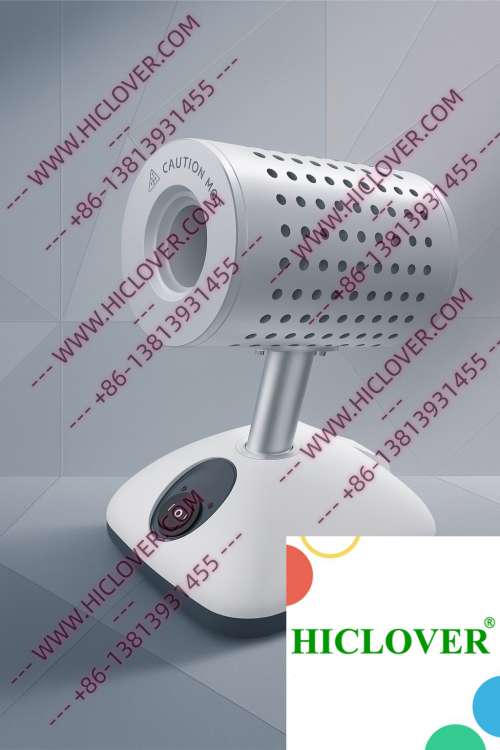
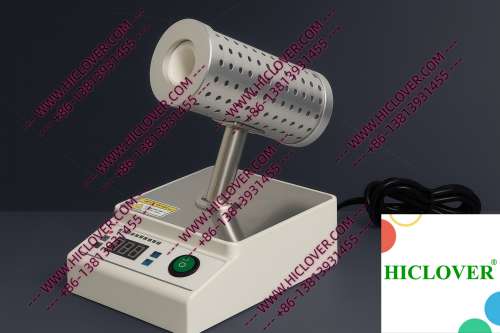
In the rapidly evolving landscape of healthcare, the demand for effective laboratory sterilization equipment is at an all-time high. As research and diagnostic activities expand, maintaining stringent biosafety protocols within laboratories also becomes a pressing challenge. Smart lab managers and technologists are increasingly turning to innovative solutions like the Micro Incinerator, or Infrared Inoculating Loop Sterilizer, to ensure contamination control and enhance workflow efficiency.
Biosafety Challenges in Modern Laboratories
Laboratories operate under high-stakes conditions where contamination can lead to significant setbacks. In these environments, the use of traditional sterilization methods, such as alcohol lamps or Bunsen burners, can pose several challenges, including:
- Risk of open flames leading to potential hazards in sterile environments
- Production of aerosols that may compromise biosafety
- Slower sterilization processes affecting workflow efficiency
- Difficulty in achieving consistent temperature control
- Aerosol-free handling: Eliminates the risk of contamination through aerosol particles typically generated by flame methods.
- Space efficiency: Reduces the need for bulky flame sterilization equipment, enabling convenient placement within limited spaces.
- Demonstrate safe sterilization techniques: Teaching students how to achieve effective sterilization without the dangers of open flames.
- Foster a culture of safety: Encouraging mindfulness regarding biosafety standards while students conduct experiments.
- Reduces open flame usage, critical in clean rooms and sensitive environments.
- Minimizes the likelihood of chemical contamination associated with alcohol-based sterilizers.
These issues emphasize the need for reliable, rapid thermal sterilization technologies that not only comply with industry standards but also align with the safety needs of health professionals across various settings, including BSL-2 and BSL-3 laboratories.
Technical Principle of Micro Incinerators
The Micro Incinerator leverages infrared heat technology that significantly improves the sterilization process. The core component of this device is its enclosed ceramic heating chamber, which enables high-temperature disinfection without the risks associated with traditional flame sterilizers. When a loop is introduced into the sterilizer, the infrared rays emitted quickly and uniformly elevate the temperature, effectively eradicating all forms of microbial life on the inoculating loop or similar tools.
With temperatures reaching up to 800°C (1472°F), this advanced method ensures complete disinfection in a matter of seconds. This rapid thermal sterilization is not only efficient but also minimizes the risk of damage often incurred with prolonged exposure to flames.
Application Scenarios in Real Labs
To understand the transformative potential of Micro Incinerators, let’s explore two distinct application scenarios:
Biosafety Cabinets
In BSL-2 and BSL-3 microbiology labs, maintaining a sterile environment is critical. Integrating Micro Incinerators into biosafety cabinets allows for:
Teaching Laboratories
University teaching labs focused on microbiology benefit from the educational advantages of Micro Incinerators. Instructors can:
Compliance and Environmental Considerations
When selecting laboratory sterilization equipment, compliance with global standards is paramount. The World Health Organization (WHO) endorses adherence to strict biosafety protocols to ensure laboratory workers’ safety and the integrity of research results. The Micro Incinerator aligns with these guidelines as it:
Additionally, using infrared sterilizers means lower energy consumption over time, further supporting sustainable lab practices.
Micro Incinerator vs. Traditional Flame Sterilization
| Feature | Micro Incinerator | Flame Sterilizers |
|---|---|---|
| Heat Source | Infrared | Open Flame |
| Temperature Control | Precise; up to 800°C | Variable; dependent on flame size |
| Risk of Contamination | Low | High (aerosols) |
| Safety in Use | Clean-bench-safe | Flammable hazard |
FAQs
What temperatures can the Micro Incinerator achieve?
The Micro Incinerator can reach temperatures of up to 800°C (1472°F), allowing for rapid sterilization.
Is it safe to use in a biosafety cabinet?
Yes, the Micro Incinerator is designed to operate safely within biosafety cabinets, minimizing the risk of contamination.
What are the advantages over traditional sterilization methods?
This device eliminates the risk of aerosols, ensures precise temperature control, and operates safely without an open flame.
How does it support environmental compliance?
Minimizing chemical use and reducing energy consumption aligns with sustainability efforts in laboratory operations.
Can it be used in field testing?
Yes, its portable design makes the Micro Incinerator an excellent choice for field labs that require efficient sterilization.
Conclusion
In the transforming landscape of laboratory environments in Baghdad, the introduction of Micro Incinerators marks a significant step forward in biosafety and efficiency. By embracing this advanced sterilization technology, laboratories not only enhance their workflow but also ensure strict compliance with global biosafety standards.
For laboratories in Iraq looking to improve their sterilization processes, we invite you to explore the innovative solutions we offer. Contact us for more information on the Micro Incinerator and elevate your laboratory’s safety and efficiency today!
Categories:
Tags: