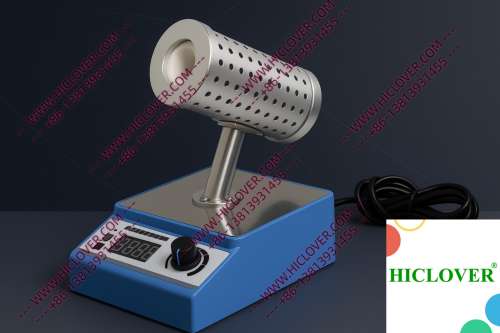
In modern laboratory environments, ensuring sterility is not just a procedural requirement; it’s a critical element in safeguarding both research integrity and public health. A major challenge faced by laboratory professionals lies in effectively managing biosafety while adhering to rigorous sterilization workflow demands. Traditional methods often involve the use of flame sterilizers such as alcohol lamps or Bunsen burners, which, although common, come with their own set of risks, including contamination and compromised safety measures.
Embracing Innovation with Infrared Sterilization
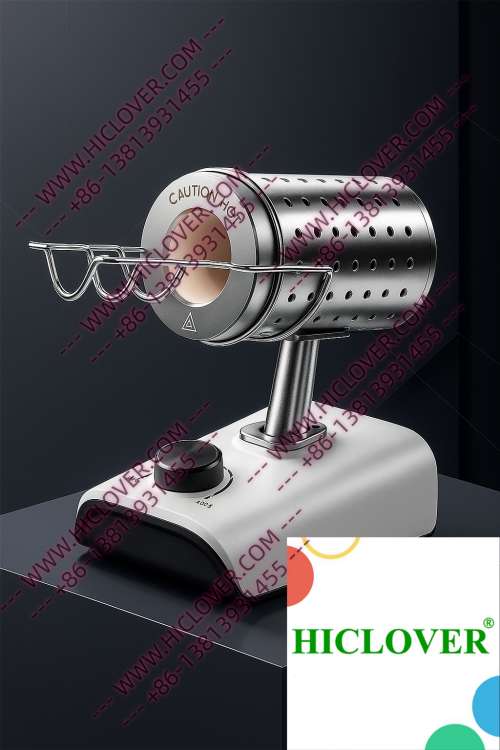
The micro incinerator, or infrared inoculating loop sterilizer, introduces a significant paradigm shift in sterilization technology. By employing rapid thermal sterilization via an enclosed ceramic heating chamber, this advanced equipment offers a safer, cleaner, and more efficient alternative to traditional flame-based systems. The principle of infrared heat operates by emitting controlled high temperatures that allow quick and effective disinfection of inoculating loops and other small instruments.
Technical Principles and Configuration
The micro incinerator utilizes sophisticated infrared technology, where the heat source is not only efficient but also contained within a ceramic tube. This configuration allows for:
- High-level disinfection: Infrared technology enables temperatures to reach upwards of 800 degrees Celsius, ensuring that microorganisms are eradicated quickly.
- Increased safety: With no open flame, the risk of fire and the generation of hazardous aerosols is effectively eliminated.
- Quick turnaround: The device reaches operational temperatures in seconds, facilitating rapid sterilization without compromising workflow.
Application Scenarios in Real Labs
1. Biosafety Cabinet Use
In BSL-2 and BSL-3 microbiology labs, maintaining a sterile environment is paramount. The micro incinerator can be easily integrated within biosafety cabinets, allowing researchers to sterilize inoculating loops without disturbing the airflow or creating aerosolized contaminants. Its enclosed design protects users while ensuring that all equipment remains untainted.
2. Field Testing and Mobile Labs
Field testing often takes place in dynamic environments where traditional sterilization options may prove impractical. The lightweight and portable design of the infrared inoculating loop sterilizer makes it ideal for mobile labs and rapid response teams working in remote areas. This device empowers healthcare professionals to conduct reliable tests without the fear of contamination, adhering to biosafety guidelines even in challenging conditions.
Compliance and Environmental Considerations
With an ever-increasing emphasis on regulatory compliance, the micro incinerator adheres to various international biosafety standards mandated by organizations like the WHO. For instance, flame sterilization is typically not permitted in cleanroom environments due to the risks of particulate contamination. By utilizing infrared sterilization, laboratories can maintain compliance with stringent regulations associated with lab sterilization standards.
Why Choose Micro Incinerator Over Traditional Flame Sterilizers?
| Feature | Micro Incinerator | Flame Sterilizers |
|---|---|---|
| Safety | No open flame, reduces fire risk | Open flame, increases fire hazard |
| Efficiency | Rapid heating, instant sterilization | Time-consuming ignition and cool-down |
| Contamination Control | Aerosol-free handling | Potential for aerosol generation |
| Portability | Lightweight, designed for mobility | Heavy and less mobile |
| Energy Source | Electric, more sustainable | Gas or alcohol, can produce hazardous waste |
Frequently Asked Questions
What is an infrared inoculating loop sterilizer?
An infrared inoculating loop sterilizer is a laboratory device that utilizes infrared heat to sterilize equipment rapidly and safely, minimizing the risk of contamination.
How does it compare to traditional methods?
Unlike traditional flame sterilizers, the micro incinerator offers a cleaner, faster, and safer sterilization process, significantly reducing fire hazards and contamination risk.
Is it compliant with international biosafety standards?
Yes, the micro incinerator adheres to WHO biosafety and lab sterilization standards, making it suitable for use in varying laboratory environments, including BSL-2 and BSL-3 labs.
Can it be used in field testing scenarios?
Absolutely! Its portable design makes it an ideal solution for field testing in remote and dynamic laboratory settings.
What are the maintenance requirements?
Maintenance is minimal, primarily involving routine cleaning of the ceramic tube and ensuring that electrical connections remain intact for optimal performance.
Conclusion: Embrace Safer Sterilization Solutions
In an era where infection control is of the utmost importance, investing in innovative sterilization technology like the micro incinerator is a strategic decision for laboratories and healthcare facilities alike. This advanced sterilization equipment not only enhances safety and compliance but also significantly improves laboratory workflow. For those looking to elevate their sterilization practices, reach out to our team today to explore how the infrared inoculating loop sterilizer can meet your laboratory’s specific needs.
Categories:
Tags: