
In a rapidly evolving healthcare landscape, the need for effective laboratory biosafety solutions is paramount. Facilities across Nairobi face increasing challenges in maintaining contamination control and workflow efficiency. As laboratories strive to uphold rigorous sterilization standards, the adoption of modern sterilization equipment, such as Micro Incinerators or Infrared Inoculating Loop Sterilizers, presents a transformative opportunity for biosafety enhancement.
Understanding the Micro Incinerator
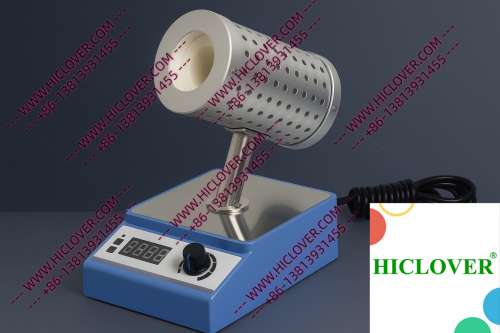
The Micro Incinerator, a notable variant of the Infrared Inoculating Loop Sterilizer, operates on a principle of rapid thermal sterilization. Unlike traditional flame sterilizers, such as alcohol lamps and Bunsen burners, the Micro Incinerator utilizes enclosed ceramic tubes for sterilization. This design not only ensures high-temperature disinfection through infrared heat but also provides a safe atmosphere by minimizing aerosol generation and enhancing user safety in sensitive environments.
Key Features of the Micro Incinerator
- Rapid sterilization: Achieves sterilization in seconds, drastically reducing wait times between procedures.
- Clean-bench-safe: Eliminates the risk of open flames in clean rooms, enhancing safety for laboratory personnel.
- Adjustable temperature controls: Offers versatility across various applications and organism types.
- Aerosol-free handling: Minimizes the risk of contamination from airborne pathogens.
- What is the primary advantage of a Micro Incinerator over traditional flame sterilizers?
Unlike traditional methods, it is safer, quicker, and eliminates the risk of aerosol contamination. - Can Micro Incinerators be used in field hospitals?
Yes, their portability and efficiency make them ideal for sterilizing tools in mobile or remote healthcare settings. - Do Micro Incinerators comply with WHO biosafety regulations?
Absolutely, they meet established guidelines by ensuring flame-free operations suitable for cleanrooms. - How fast can a Micro Incinerator achieve sterilization?
It can sterilize tools in mere seconds, significantly improving laboratory workflow. - Are Micro Incinerators appropriate for use in BSL-2 or BSL-3 labs?
Yes, they are specially designed to function safely within these high biosafety level environments.
Application Scenarios in Nairobi’s Laboratories
The practical application of the Micro Incinerator can be observed in several distinct settings. Here, we explore two scenarios: within a biosafety cabinet and during field testing.
Application in a Biosafety Cabinet
In microbiology labs classified as BSL-2 or BSL-3, the Micro Incinerator proves invaluable. These environments require stringent biosafety measures where even minor lapses can have severe implications. When researchers work with pathogens, the integrated use of Micro Incinerators in biosafety cabinets allows for seamless sterilization of inoculating loops in close proximity to sensitive samples. This setup not only meets WHO biosafety standards but also expedites laboratory workflows, minimizing cross-contamination risks while ensuring compliance with the necessary sterilization protocols.
Application in Field Testing
Field testing poses unique challenges, especially in remote or less controlled environments. The portability and efficiency of the Micro Incinerator make it an ideal choice for mobile laboratories conducting diagnostics in the field. Whether in rural health settings or during epidemiological surveys, researchers can rely on the Micro Incinerator for quick, effective sterilization of tools, thus maintaining the integrity of test results while safeguarding the health of community members and field teams alike.
Compliance with Biosafety Standards
Adhering to biosafety and laboratory sterilization standards is critical for healthcare facilities. The WHO and various national guidelines emphasize the importance of efficient sterilization without compromising safety. Traditional flame sterilizers pose significant risks, such as potential ignition of flammable materials and exposure to hazardous aerosols. The Micro Incinerator set a new benchmark by allowing for sterilization processes that are flame-free, making it suitable for clean rooms and laboratories adhering to strict environmental control measures.
Biosafety Compliance Reference
The Micro Incinerator aligns with the requirements set forth by the WHO for laboratory sterilization, ensuring compliance with global biosafety standards. Its design ensures that there is no open flame in clean environments, thus securing labs from contamination risks.
FAQs about Micro Incinerators
Conclusion: Embrace the Future of Laboratory Sterilization
As Nairobi’s healthcare facilities work toward better biosafety protocols and streamlined workflows, investing in advanced sterilization equipment like the Micro Incinerator is a step in the right direction. This tool not only enhances safety and efficiency but also aligns with global standards and best practices. For laboratory supply distributors, hospitals, and research centers ready to elevate their sterilization methods, consider reaching out for more information on how the Micro Incinerator can meet your specific needs in the evolving landscape of healthcare.
Categories:
Tags: