
In the ever-evolving landscape of laboratory biosafety, healthcare facilities, particularly in cities like Warsaw, face significant challenges related to sterilization workflows. Effective contamination control while maintaining the integrity of laboratory operations is crucial. With the increasing demand for efficient sterilization methods, the introduction of technologies such as the Micro Incinerator / Infrared Inoculating Loop Sterilizer is proving revolutionary for laboratories, ensuring optimal biosafety levels and workflow improvement.
Understanding the Technical Principles
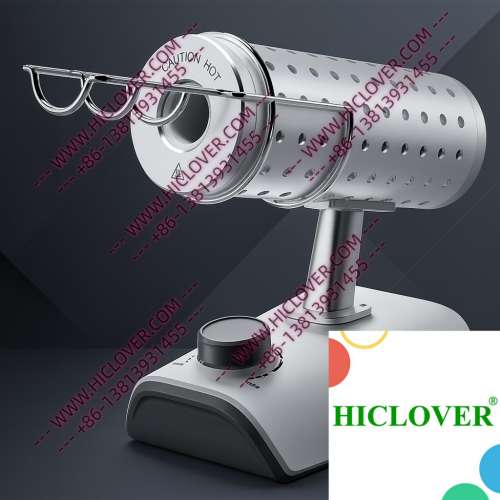
The Micro Incinerator operates on the principle of rapid thermal sterilization through infrared heat. This device utilizes an enclosed ceramic heating chamber that reaches high temperatures quickly. Unlike traditional sterilization methods relying on open flames, which pose contamination risks and can create aerosols, the infrared mechanism ensures efficient disinfection without the drawbacks of flame. The sterile inoculating loops are exposed to temperatures exceeding 800°C, effectively eliminating pathogens while ensuring a clean and safe workflow.
Applications in Real Labs
1. BSL-2 and BSL-3 Microbiology Labs
In complex environments like BSL-2 and BSL-3 microbiology labs, the need for stringent sterilization is paramount. The Micro Incinerator is ideal for use within biosafety cabinets, where researchers handle potentially infectious agents. Its aerosol-free handling capability enhances safety for lab personnel, as there are reduced risks of unintended exposure during sterilization processes.
2. University Teaching Labs
Teaching laboratories in universities also greatly benefit from this advanced sterilization tool. Students often engage in hands-on microbiology experiments using liquid cultures and bacterial strains. Implementing the Micro Incinerator allows for quick and effective sterilization of inoculating loops between uses, adhering to safety protocols while also being user-friendly for novice lab users. The educational experience becomes safer and more efficient, promoting compliance with biosafety standards.
Compliance and Environmental Considerations
When considering sterilization procedures, compliance with established standards is vital. The World Health Organization (WHO) emphasizes strict adherence to biosafety norms, particularly in environments dealing with pathogenic microorganisms. The use of the Micro Incinerator aligns with laboratory sterilization standards and regulations, providing a clean and effective solution for infection control. Additionally, utilizing infrared heat eliminates the need for flammable substances such as alcohol lamps and Bunsen burners, which are prohibited in clean rooms, minimizing fire hazards and promoting a safer laboratory atmosphere.
Key Advantages of Micro Incinerators
- Rapid thermal sterilization – provides immediate disinfection.
- Aerosol-free handling – reduces risks associated with open flames.
- Enclosed ceramic tube – enhances safety and efficiency.
- Environmentally friendly – no flammable materials required.
- Compact design – ideal for various laboratory settings.
Comparison: Micro Incinerator vs. Traditional Flame Sterilizers
| Feature | Micro Incinerator | Flame Burners |
|---|---|---|
| Sterilization Method | Infrared Heat | Open Flame |
| Safety | Aerosol-free, non-flammable | Fire hazard, aerosol generation |
| Temperature Control | Precise and consistent | Variable, hard to control |
| Speed | Rapid | Slower due to setup |
| Compliance | Meets WHO standards | May not meet cleanroom requirements |
FAQs about Loop Sterilizers
1. What is the primary advantage of using a Micro Incinerator over a traditional Bunsen burner?
The primary advantage is safety; Micro Incinerators eliminate open flames, reducing the risk of fire hazards and aerosol generation, making them more suitable for sterile environments.
2. Can the Micro Incinerator be used in cleanroom settings?
Yes, the Micro Incinerator is designed to meet the stringent requirements of cleanroom environments, as it does not require flammable materials and minimizes aerosol risks.
3. How does the Micro Incinerator contribute to biosafety in labs?
By providing rapid thermal sterilization in a controlled manner, it ensures that inoculating loops are disinfected quickly and effectively, thus maintaining safety standards within laboratory settings.
4. Is the Micro Incinerator suitable for university teaching labs?
Absolutely, it is user-friendly and ideal for educational settings, allowing students to safely and efficiently sterilize loops during microbiology experiments.
5. What compliance standards does the Micro Incinerator adhere to?
The Micro Incinerator is compliant with WHO guidelines and meets various laboratory sterilization standards, ensuring high safety and operational efficiencies in lab environments.
Conclusion: Enhance Your Lab’s Efficiency
As urban healthcare systems face increasing pressures, particularly in cities like Warsaw, integrating efficient sterilization technology is vital. The implementation of the Micro Incinerator / Infrared Inoculating Loop Sterilizer not only enhances laboratory workflow and safety but also aligns with stringent compliance standards. To bring cutting-edge sterilization solutions to your facility, consider purchasing this innovative equipment today. For inquiries or purchases, please contact us!
Categories:
Tags: