
In the ever-evolving landscape of laboratory biosafety, researchers face significant challenges in maintaining effective sterilization workflows. The need for robust, efficient, and safe sterilization equipment has never been more critical, particularly in a bustling metropolis like Ho Chi Minh City, where laboratories are frequently confronted with biohazardous waste and a dire necessity for contamination control. Enter the Micro Incinerator, a cutting-edge solution designed to take sterilization practices to a new level.
Understanding the Micro Incinerator: Technical Principles
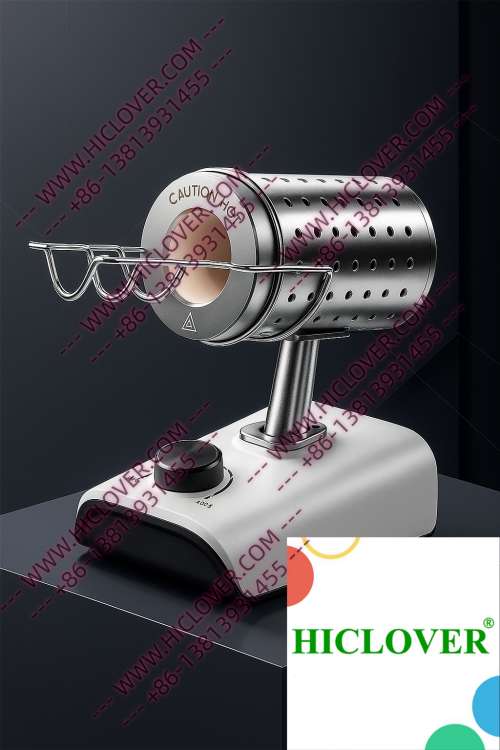
The Micro Incinerator, specifically the Infrared Inoculating Loop Sterilizer, operates on principles of infrared heat rather than open flames. In sterile environments where safety is paramount, this equipment boasts an enclosed ceramic heating chamber that reaches rapid thermal sterilization temperatures within seconds. Unlike traditional flame sterilizers, such as Bunsen burners or alcohol lamps, the Micro Incinerator provides a clean and controlled method of sterilization without introducing the hazards associated with combustible gases.
Configuration and Design Features
Designed for convenience and user-friendly operation, the Micro Incinerator typically features:
- Infrared heating elements for quick sterilization
- A closed ceramic tube to prevent contamination
- Compact form factor for easy integration into labs
- Varied temperature settings for different sterilization needs
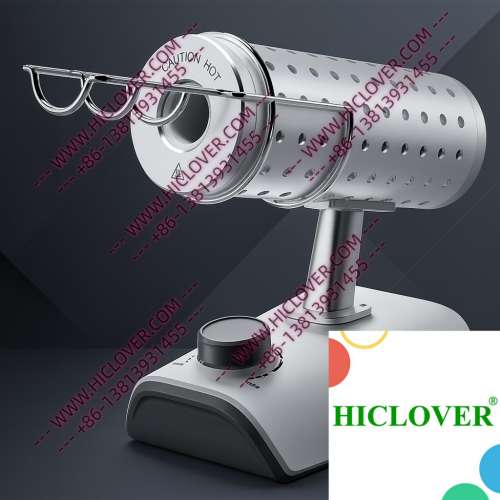
This configuration ensures that laboratory personnel can perform sterilization tasks with a minimum risk of aerosols or flammable vapors, making it especially suitable for use in biosafety cabinets and clean rooms.
Practical Applications in Laboratory Settings
The Micro Incinerator sees diverse applications across various laboratory settings. Here are two scenarios where its effectiveness shines:
1. Biosafety Cabinets
In BSL-2 and BSL-3 microbiology labs, maintaining a sterile environment is paramount. The Micro Incinerator is often employed within biosafety cabinets to sterilize inoculating loops and other small tools. The ease of use and rapid heating capabilities allow microbiologists to quickly sterilize instruments without risk of exposed flames, ensuring their safety while working with pathogenic microorganisms.
2. Field Testing and Mobile Labs
In regional field testing environments, the portability of the Micro Incinerator makes it an ideal choice for researchers collecting environmental samples. Its compact design allows it to be transported easily and used in various outdoor settings, where traditional open flame incineration might not only be impractical but hazardous as well. Here, scientists can efficiently sterilize tools immediately after use, minimizing the risk of cross-contamination while adhering to strict environmental regulations.
Compliance and Environmental Considerations
As laboratories in Ho Chi Minh City and beyond strive to adhere to stringent biosafety standards set forth by the World Health Organization (WHO), the Micro Incinerator emerges as an outstanding alternative. Compliance with laboratory sterilization standards is crucial, particularly in facilities handling infectious agents. Regulatory bodies emphasize the importance of eliminating open flames in clean rooms to reduce contamination risks and enhance safety standards.
By utilizing infrared technology, the Micro Incinerator aligns perfectly with these compliance directives, providing an aerosol-free handling process and a reduced risk of fire hazards, thus contributing to safeguarding laboratory environments.
Advantages Over Traditional Flame Sterilizers
The advantages of Micro Incinerators compared to traditional flame sterilizers are substantial:
| Feature | Micro Incinerator | Flame Sterilizer |
|---|---|---|
| Method | Infrared heating | Open flame |
| Safety | No flammable hazards | Risk of burns and fire |
| Speed | Instant heat response | Variable (dependent on flame control) |
| Contamination Control | Reduced risk of aerosols | Higher risk of cross-contamination |
| Environmentally Friendly | Less environmental impact | Potential emissions from combustion |
FAQs Regarding Micro Incinerators
What is the main advantage of using a Micro Incinerator over a traditional flame sterilizer?
The Micro Incinerator provides a safer and more efficient means of sterilization without the risks associated with open flames, making it ideal for sensitive lab environments and reducing contamination risks.
Can the Micro Incinerator be used in field testing scenarios?
Yes, its compact design and rapid heating capabilities make the Micro Incinerator an excellent choice for field testing, allowing researchers to sterilize tools on the spot.
What compliance standards does the Micro Incinerator meet?
The Micro Incinerator complies with WHO biosafety regulations, ensuring that it meets safety and sterilization standards necessary for handling biohazardous materials.
Is it suitable for university teaching labs?
Absolutely! Its safety features and ease of use make it ideal for educational settings where students learn proper sterilization techniques without exposure to flame-related hazards.
How does the Micro Incinerator handle contamination control?
The enclosed design and infrared technology minimize aerosol production and risk of contamination, providing clean and safe sterilization even in the most sensitive lab environments.
Conclusion
As Ho Chi Minh City continues to pursue innovation in healthcare and laboratory safety, the Micro Incinerator stands out as a transformative tool for effective waste disposal and sterilization. By adopting this advanced technology, laboratories can enhance their safety protocols, comply with stringent biosafety standards, and ultimately contribute to better patient outcomes. If you’re interested in elevating your laboratory’s sterilization practices, don’t hesitate to reach out for more information about our Micro Incinerators.
Categories:
Tags: