
In the rapidly evolving field of healthcare, laboratory biosafety remains a paramount concern, particularly in regions like Juba, South Sudan. With limited resources and a pressing need for effective sterilization, traditional methods such as alcohol lamps and Bunsen burners pose significant challenges. The introduction of portable lab sterilizers, such as the Micro Incinerator or Infrared Inoculating Loop Sterilizer, is transforming laboratory environments, enhancing safety, and streamlining workflow.
The Challenges of Laboratory Biosafety in Juba
Laboratories in Juba face unique biosafety challenges, including unstable electricity supplies, lack of access to sterile environments, and the high risk of contamination. These issues necessitate rapid thermal sterilization solutions that are not only effective but also reliable in diverse settings. With the growing importance of infection control in clinical and research laboratories, the demand for advanced sterilization solutions has never been higher.
Understanding the Micro Incinerator: Technical Principles
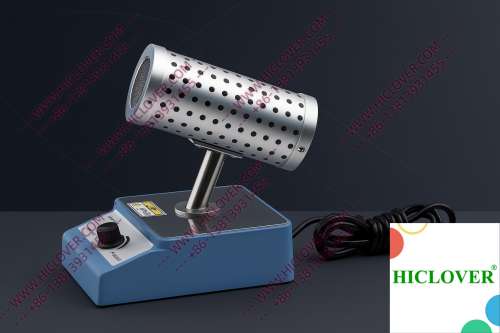
The Micro Incinerator is engineered using advanced infrared heating technology, which provides rapid high-temperature disinfection without the need for open flames. This sterilizer boasts an enclosed ceramic heating chamber, ensuring that the heat is concentrated and effectively targets contaminants. By heating instruments quickly, usually in under five seconds, the Micro Incinerator achieves an aerosol-free handling process, significantly reducing the risk of airborne contamination.
Key Features of the Micro Incinerator
- Rapid Sterilization: Achieves sterilization in seconds.
- Fuel-Free Operation: No requirement for alcohol or gas, promoting a clean environment.
- Durable Design: Built to withstand rigorous lab conditions.
- Compact and Portable: Easily transported for field testing and mobile laboratory work.
- User-Friendly Interface: Simple controls facilitate ease of use in high-pressure environments.
Applications of Micro Incinerators in Real Labs
Biosafety Cabinet Usage
In many laboratories, particularly BSL-2 and BSL-3 facilities, maintaining a contamination-free environment is critical. The Micro Incinerator can be utilized within biosafety cabinets, allowing researchers to sterilize tools without interrupting airflow or compromising the sterile environment. This combination ensures safety during microbiological work, protecting both samples and laboratory personnel.
Field Testing and Mobile Laboratories
In the context of field testing in Juba, accessible sterilization equipment is imperative. Portable Micro Incinerators enable healthcare professionals to conduct onsite tests without the complications associated with traditional flame sterilizers. This equipment allows for safe operation in diverse and potentially hazardous environments, ensuring that procedures can be completed efficiently and safely.
Compliance and Environmental Considerations
With standards set by organizations such as the World Health Organization (WHO), adhering to laboratory sterilization protocols is essential. Micro Incinerators align with biosafety regulations by eliminating open flames and minimizing aerosol generation, critical for clean rooms and sensitive lab environments. Compared to traditional alcohol lamps and Bunsen burners, Micro Incinerators not only comply with stringent sterilization norms but also reduce environmental impact through fuel-free operation.
Biosafety Compliance Reference Table
| Equipment Type | Open Flame Sterilizer | Micro Incinerator |
|---|---|---|
| Biosafety Compliance | Limited | High |
| Risk of Aerosols | High | Low |
| Efficiency | Moderate | High |
| Portability | Low | High |
Frequently Asked Questions
What are the health benefits of using a Micro Incinerator?
Micro Incinerators significantly lower the risk of contamination, making them safer for laboratory personnel and reducing infection rates in clinical environments.
How does the Micro Incinerator compare to traditional sterilizing equipment?
Compared to traditional flame sterilizers, Micro Incinerators offer faster sterilization times, reduced risk of flame-related accidents, and lower environmental impact.
Can Micro Incinerators be used in educational settings?
Yes, they are ideal for university teaching labs where safe and effective sterilization is essential for students learning microbiological techniques.
Are Micro Incinerators suitable for field applications?
Absolutely. Their portable nature allows for efficient sterilization in remote locations or during mobile testing, making them invaluable for research in diverse conditions.
What maintenance does a Micro Incinerator require?
Regular cleaning of the ceramic heating chamber and ensuring the power supply is functioning are essential to maintain optimal performance.
Conclusion
The implementation of Micro Incinerators in Juba, South Sudan, marks a significant advancement in laboratory sterilization technology. By addressing the unique challenges faced in local laboratory environments, these portable sterilizers provide an affordable, efficient, and safe solution for enhancing biosafety protocols. As the healthcare landscape evolves, the adoption of such innovative technologies will undoubtedly play a crucial role in improving public health outcomes.
If you are interested in enhancing your laboratory’s sterilization capabilities with the Micro Incinerator, we invite you to connect with us for more information and purchasing options. Revolutionize your lab’s safety today!
Categories:
Tags: