
In recent years, biosafety has become a paramount concern in healthcare settings worldwide, including Kampala, Uganda. The increasing awareness of infection control challenges has prompted healthcare facilities to enhance their sterilization protocols. Traditional sterilization methods, such as alcohol lamps and Bunsen burners, pose several challenges, including increased contamination risks and potential safety hazards. The advent of advanced sterilization equipment, particularly the Micro Incinerator / Infrared Inoculating Loop Sterilizer, has been a game-changer in addressing these laboratory sterilization demands.
Understanding the Micro Incinerator: Technical Principles and Configuration
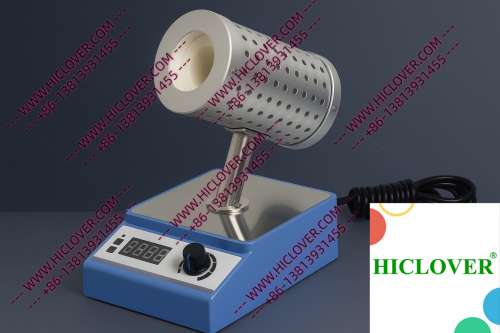
The Micro Incinerator utilizes infrared heat to provide rapid thermal sterilization, effectively eliminating microbial contaminants without the drawbacks associated with flame-based sterilization techniques. Its enclosed ceramic heating chamber allows for high-temperature disinfection (typically around 800°C), ensuring complete denaturation of microbial proteins and nucleic acids, thus rendering pathogens ineffective.
The device is compact, portable, and designed for ease of use, making it suitable for various laboratory environments, from BSL-2 and BSL-3 microbiology labs to university teaching facilities. The infrared inoculating loop sterilizer operates efficiently, providing a clean-bench-safe solution that minimizes aerosol generation, which is critical in protecting laboratory personnel from airborne pathogens.
Applications of the Micro Incinerator in Real Labs
1. Laboratory Biosafety Cabinet Usage
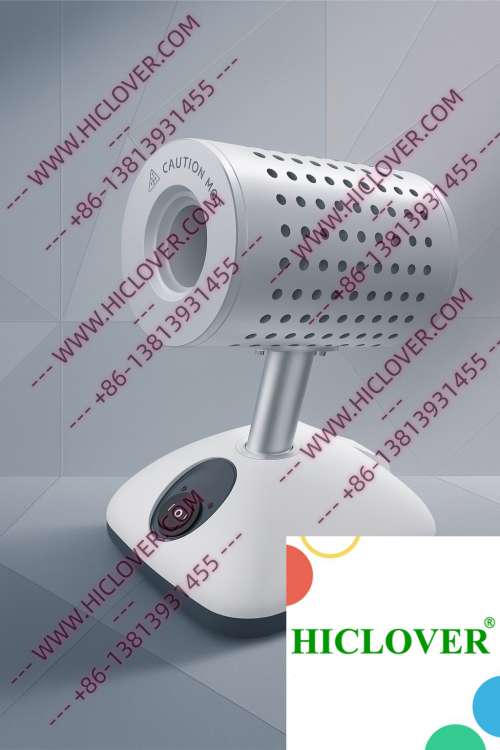
In biosafety cabinets, the Micro Incinerator is invaluable for achieving sterile environments. The risk of contamination can escalate in laboratories handling pathogenic microorganisms. Using the Micro Incinerator, technicians can instantly sterilize tools, such as inoculating loops, ensuring that each transfer of microorganisms is performed under optimal sterile conditions. This minimizes the chance of cross-contamination, effectively upholding biosafety regulations.
2. Field Testing and Mobile Laboratories
In mobile or field testing labs, where resources are limited and mobility is essential, the Micro Incinerator excels. For instance, healthcare professionals conducting field assessments in remote areas can quickly sterilize tools without reliance on continuous power sources. The infrared model is not only cost-effective but also efficient in sterilization, providing instant results that are vital during field operations.
Compliance and Environmental Considerations
In alignment with WHO biosafety standards and laboratory sterilization regulations, the use of non-flame-based sterilization methods is highly recommended, particularly in clean rooms and sensitive environments. The Micro Incinerator enhances compliance by eliminating open flames, reducing the risk of accidents and fires, and adhering to strict laboratory safety regulations. Furthermore, it supports environmentally responsible practices by minimizing the need for chemical sterilants, which can contribute to hazardous waste.
Comparison of Micro Incinerator vs. Traditional Flame Burners
| Feature | Micro Incinerator | Traditional Flame Burners |
|---|---|---|
| Contamination Control | Superior; no aerosols | Susceptible to cross-contamination |
| Safety | No open flame | Open flame hazards |
| Operational Efficiency | Instant sterilization | Time-consuming heating |
| Environmental Impact | Low; no chemicals | Potentially hazardous chemicals |
FAQs about the Micro Incinerator
- What is the main benefit of using a Micro Incinerator over traditional flame methods? The primary advantage is enhanced safety and improved contamination control, as it eliminates open flames and reduces aerosol production.
- How does the infrared technology work in sterilization? The infrared technology heats the inoculation loop to high temperatures quickly, effectively killing pathogens within seconds.
- Where can I use a Micro Incinerator? It is suitable for laboratory biosafety cabinets, field testing situations, university teaching labs, and clinical diagnostics environments.
- Are there specific biosafety standards I should consider? Yes, compliance with WHO biosafety regulations and lab sterilization standards is crucial to ensure operational safety and effectiveness.
- How easy is the Micro Incinerator to transport? The device is compact and lightweight, designed for portability, making it ideal for field applications and mobile laboratories.
Conclusion
As Kampala’s healthcare facilities strive for improved biosafety and hygiene, the adoption of the Micro Incinerator / Infrared Inoculating Loop Sterilizer represents a significant advancement. With its rapid thermal sterilization capabilities, enhanced safety features, and compliance with global biosafety standards, this innovative solution is essential for labs aiming to maintain the highest levels of cleanliness and contamination control.
If you are looking to upgrade your laboratory sterilization equipment or need reliable solutions tailored to your specific needs, contact us today to learn more about how the Micro Incinerator can transform your workflows and enhance hygiene standards.
Categories:
Tags: