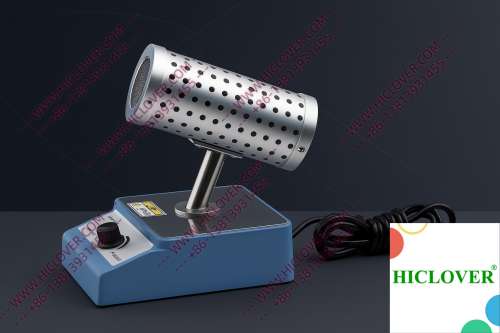
In the ever-evolving landscape of healthcare, maintaining high standards of biosafety is paramount. Laboratory environments face continual challenges regarding effective sterilization workflows, as the risk of contamination can compromise both research outcomes and patient safety. One of the revolutionary solutions to tackle these challenges is the use of Micro Incinerators or Infrared Inoculating Loop Sterilizers. Particularly in Eugene’s modern healthcare facilities, these advanced sterilization equipment options play a critical role in ensuring laboratory safety and efficiency.
Understanding Micro Incinerators and Their Technical Principles
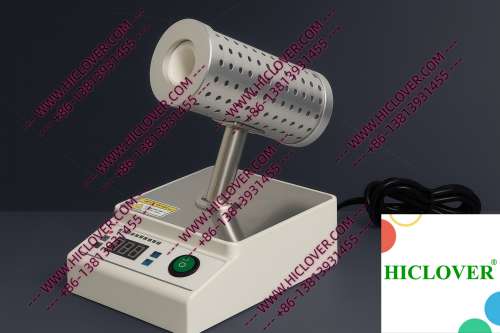
Micro Incinerators are sophisticated devices designed for rapid thermal sterilization. Unlike traditional flame-based sterilizers, such as alcohol lamps and Bunsen burners, that pose inherent risks of open flames and require higher skill levels to operate safely, Micro Incinerators utilize advanced infrared heating technologies. The core component of these devices is the enclosed ceramic heating chamber, which emits infrared heat to achieve high-temperature disinfection while creating a safe, clean-bench-friendly environment there is minimal aerosol generation.
These devices can typically reach temperatures above 800 degrees Celsius in seconds, making them suitable for sterilizing inoculating loops and other small instruments. The precise temperature control significantly reduces the risk of overheating, safeguarding the integrity of heat-sensitive samples, while simultaneously ensuring complete sterilization.
Applications of Micro Incinerators in Laboratory Settings
Micro Incinerators are indispensable in various laboratory applications that require stringent sterilization protocols. Here are two noteworthy scenarios:
- Biosafety Cabinets: In BSL-2 and BSL-3 microbiology labs, where potential pathogens are handled, maintaining a clean working environment is critical. The use of Micro Incinerators allows rapid sterilization of inoculating tools within a biosafety cabinet, eliminating contamination risks without exposing lab workers to open flames.
- University Teaching Labs: In academic institutions like those in Eugene, teaching labs utilize Micro Incinerators to provide students with hands-on experience in sterile techniques. They serve as a safer alternative during practical sessions where students perform microbial cultures, ensuring that the academic environment adheres to modern sterilization standards.
Compliance and Environmental Considerations
Adhering to biosafety standards is non-negotiable in laboratory environments. The World Health Organization (WHO) has established guidelines that recommend the implementation of sterilization processes that mitigate risk factors associated with traditional methods. With a focus on improved safety and compliance, the use of Micro Incinerators eliminates the need for flames in clean rooms, aligning with global laboratory sterilization standards.
The shift toward flame-free sterilization not only reduces the risk of accidental fires but also minimizes the generation of aerosols, which can carry pathogens. By integrating Micro Incinerators into routine sterilization protocols, laboratory facilities can demonstrate compliance with both local and international guidelines, ensuring a safer environment for all personnel.
Comparison: Micro Incinerators vs. Traditional Flame Sterilizers
| Features | Micro Incinerator | Flame Sterilizer |
|---|---|---|
| Temperature Control | Precise Infrared Heating | Variable Flame Height |
| Safety | No Open Flame | Risk of Fire Hazard |
| Aerosol Generation | Minimal | High Risk |
| Speed of Sterilization | Seconds | Variable |
| Ease of Use | User-Friendly | Requires Training |
Frequently Asked Questions
- What makes the Micro Incinerator a safer option than flame sterilizers?
Micro Incinerators offer a flame-free operation, reducing the risk of fires and hazardous accidents in laboratories. - Can Micro Incinerators be used in high-containment labs?
Yes, they are suitable for BSL-2 and BSL-3 labs, providing effective sterilization in a controlled environment. - How do I operate a Micro Incinerator correctly?
To ensure optimal performance, follow the operational guidelines provided by the manufacturer and observe safety precautions during use.
Conclusion
As the demand for higher safety standards in laboratory environments continues to rise, Micro Incinerators or Infrared Inoculating Loop Sterilizers are proving to be essential tools for healthcare facilities in Eugene and beyond. With their rapid sterilization capabilities, adherence to biosafety standards, and decreased environmental concerns, these innovations provide an unparalleled advantage over traditional flame sterilizers.
If you are interested in enhancing your laboratory’s safety and efficiency with state-of-the-art sterilization equipment, do not hesitate to reach out. Explore our selection of Micro Incinerators today to revolutionize your laboratory practices!
Categories:
Tags: