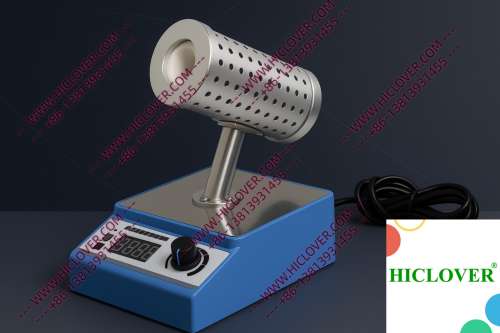
In an era where advanced healthcare practices are paramount, Ho Chi Minh City hospitals are intensifying their focus on safe laboratory operations. This urgency is driven by the need to tackle ongoing biosafety challenges associated with microbiology, diagnostics, and life sciences. With a surge in laboratory-intensive activities, the demand for effective sterilization solutions is unrelenting. Particularly, the emergence of PCR Loop Sterilizers, specifically the Micro Incinerator or Infrared Inoculating Loop Sterilizer, has significantly transformed the sterilization workflow within laboratories.
Understanding the Technical Principles of Infrared Sterilizers
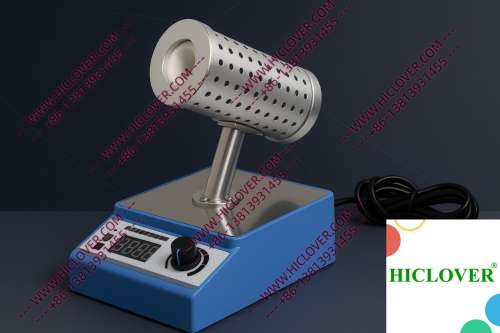
The Micro Incinerator utilizes cutting-edge infrared technology to achieve rapid thermal sterilization. Unlike traditional flame sterilizers, which are more prone to contribute to contamination risks, the Micro Incinerator implements an enclosed ceramic tube system that generates high temperatures swiftly and efficiently. This approach not only enhances the performance of the device but also supports aerosol-free handling in sensitive environments.
The device operates based on the principle that infrared heat can penetrate the microorganism’s cellular structure, rapidly denaturing proteins and ultimately leading to cell death. The compact configuration of the Micro Incinerator allows for precise control of the sterilization process. This remarkable technology results in sterilizations that are consistent, clean, and immediate, making it an indispensable tool for a variety of laboratory applications.
Diverse Applications of Micro Incinerators in Laboratory Settings
The adaptability of the Micro Incinerator extends to various lab environments, enhancing both safety and efficiency. Here are two notable application scenarios:
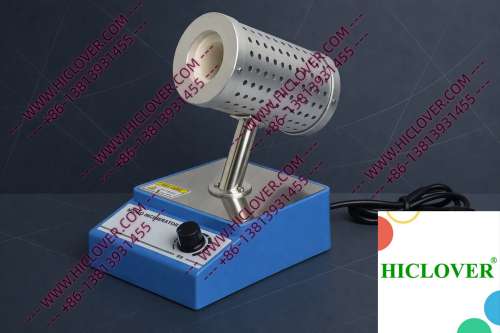
- Biosafety Cabinets: In BSL-2 and BSL-3 microbiology labs, where contamination control is vital, the Micro Incinerator can be effectively used within biosafety cabinets. The high-temperature disinfection capability reduces risks of cross-contamination, ensuring sterile environments for sensitive experiments. Additionally, it limits the complexity of sterilization protocols, enabling researchers to focus more on their experiments than on unnecessary risks.
- Field Testing: For mobile or field testing scenarios, the portable nature of infrared inoculating loop sterilizers allows healthcare professionals and researchers to maintain sterilization protocols even outside controlled lab environments. This is critical in ensuring that samples are handled safely, reducing the risk of contamination during collection and analysis.
Compliance and Environmental Considerations in Laboratory Sterilization
When it comes to laboratory sterilization, compliance with international standards is non-negotiable. The World Health Organization (WHO) provides guidelines for laboratory practices, emphasizing the importance of high standards of biosafety. In environments such as clean rooms, the introduction of any open flame poses a significant risk. This is where the Micro Incinerator shines, providing a flame-less solution that adheres to strict biosafety standards.
In addition to WHO guidelines, many laboratories must also meet local regulatory requirements specific to Ho Chi Minh City and Vietnam as a whole. Using infrared sterilizers aligns with these requirements and actively supports a culture of safekeeping critical research processes.
Advantages of Infrared Sterilizers Over Traditional Flame Sterilizers
When comparing the Micro Incinerator to traditional sterilization methods such as alcohol lamps or Bunsen burners, several distinct advantages emerge:
| Feature | Micro Incinerator | Traditional Flame Sterilizers |
|---|---|---|
| Temperature Control | Precise and adjustable | Limited control |
| Risk of Contamination | Minimal | High due to flame and aerosols |
| Ease of Use | User-friendly, rapid ignition | Requires fuel and ignition maintenance |
| Environmental Impact | No emissions | Produces smoke and pollutants |
FAQs about Micro Incinerators
What is the sterilization time for the Micro Incinerator?
The sterilization time with a Micro Incinerator is typically between 5 to 10 seconds, ensuring high-efficiency performance.
Is the Micro Incinerator safe to use in BSL-2 labs?
Yes, the device is specifically designed to meet biosafety standards, making it safe and efficient for use in BSL-2 and BSL-3 labs.
Can the device be used for field testing?
Absolutely. The Micro Incinerator’s portability makes it ideal for mobile applications, including field testing and outdoor research.
How does it compare to traditional flame sterilizers in terms of cost?
While the initial investment may be higher, the long-term savings in reduced contamination and lower maintenance costs make the Micro Incinerator a cost-effective option.
Does the Micro Incinerator require special training for usage?
Standard operational training is recommended, but the user-friendly design of the Micro Incinerator minimizes the need for extensive technical know-how.
Conclusion
As healthcare demands continue to evolve, the Micro Incinerator stands out as an innovative solution to enhance hygiene practices in Ho Chi Minh City hospitals and laboratories. Its ability to combine rapid thermal sterilization with strict biosafety compliance positions it as an essential piece of laboratory equipment.
For laboratories aiming to improve their sterilization workflows and adhere to stringent safety protocols, the Micro Incinerator / Infrared Inoculating Loop Sterilizer offers a reliable, efficient, and user-friendly alternative to traditional methods. Investing in this state-of-the-art device can upgrade your workplace’s sterilization processes and enhance research safety.
For more information or to discuss purchase options, feel free to contact us. Revolutionizing your laboratory’s hygiene practices starts with the right tool.
Categories:
Tags: