
In a rapidly evolving world of scientific research and clinical diagnostics, the quest for effective infection control is more critical than ever. Laboratories, especially in regions like South Korea’s Busan, face stringent biosafety challenges and must adhere to rigorous sterilization workflow demands. The recent adoption of PCR loop sterilizers, specifically the advanced Micro Incinerator / Infrared Inoculating Loop Sterilizer, marks a significant technological leap that addresses these challenges.
Understanding the Technical Principles of Infrared Sterilization
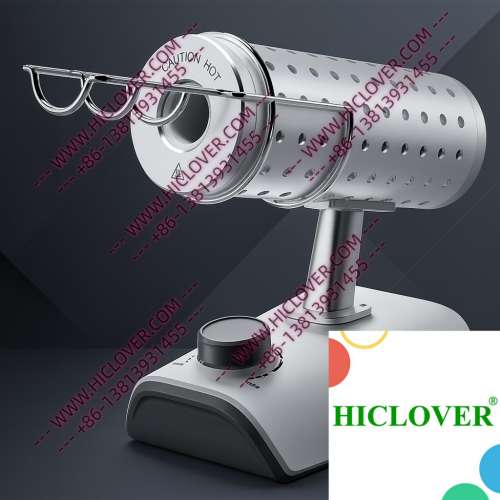
At the heart of the Micro Incinerator’s effectiveness is its use of infrared heat generated within an enclosed ceramic tube. Unlike traditional flame sterilizers such as alcohol lamps or Bunsen burners, which require open flames and produce aerosols, the Micro Incinerator ensures rapid thermal sterilization with minimal risk of contamination. The enclosed design not only enhances safety but also guarantees high-temperature disinfection, making it an ideal choice for clean-bench environments.
Key Features of the Micro Incinerator
- Rapid Thermal Sterilization: Achieves disinfection in seconds, reducing downtime.
- Contamination Control: Ensures aerosol-free handling, enhancing laboratory safety.
- Clean-bench-safe: Designed for use in biological safety cabinets without risk.
- Durability: The ceramic heating chamber is built to last, significantly outpacing traditional flame units.
- Versatile Applications: Ideal for BSL-2 and BSL-3 microbiology labs, field testing, and educational settings.
Application Scenarios in Real Labs
1. Use in University Teaching Labs
In educational settings, particularly in university microbiology courses, providing students with hands-on experience in sterilization techniques is crucial. The Micro Incinerator offers a safe, efficient way to teach laboratory practices without the hazards associated with open flames. Students can quickly sterilize inoculating loops and other instruments, thus ensuring a contamination-free environment necessary for accurate experimental results.
2. Implementation in Clinical Diagnostics
In clinical laboratories that perform PCR testing, contamination control is paramount. The adoption of the Micro Incinerator allows for an aerosol-free environment, critical in reducing the risk of cross-contamination between samples. These units can be strategically placed near workspace areas, providing immediate access for rapid sterilization before and after use, maintaining the integrity of sensitive samples and results.
Compliance with International Biosafety Standards
As laboratories increase their production capabilities, compliance with relevant standards becomes a priority. The World Health Organization (WHO) provides guidelines that emphasize the importance of proper laboratory sterilization practices. The Micro Incinerator aligns perfectly with these recommendations by offering a safer alternative to traditional flame sterilizers, especially in clean rooms and biosafety cabinets where the presence of open flames could compromise safety protocols.
Adhering to lab sterilization standards, such as the ISO 15189, is critical. This standard ensures that laboratories follow strict processes for quality and safety, further emphasizing the need for effective sterilization equipment like the Micro Incinerator.
Micro Incinerator vs. Flame Burners: A Comparison
| Feature | Micro Incinerator | Flame Burners |
|---|---|---|
| Safety | Enclosed, no open flame | Open flame, risk of fire |
| Contamination Control | Aerosol-free | Produces aerosols |
| Speed | Seconds for sterilization | Variable, flames can take longer |
| Durability | High, resistant ceramic | Dependent on the fuel source |
| Temperature Consistency | Stable infrared heat | Flame can be inconsistent |
Frequently Asked Questions
What is the primary advantage of a Micro Incinerator over traditional flame sterilizers?
The primary advantage is safety. Micro Incinerators provide a closed-system sterilization that prevents aerosol contamination and eliminates the risk of fire associated with open flames.
Can the Micro Incinerator be used in BSL-3 laboratories?
Yes, the Micro Incinerator is designed to meet safety requirements for BSL-2 and BSL-3 environments, offering rapid sterilization with enhanced contamination control.
How does the Micro Incinerator contribute to biosafety compliance?
Its design aligns with WHO biosafety standards, ensuring laboratory procedures are both effective and safe, especially in clean environments.
What types of labs benefit from using the Micro Incinerator?
University teaching labs, clinical diagnostics, and field testing labs all benefit from the Micro Incinerator’s rapid and safe sterilization capabilities.
How long does it take for the Micro Incinerator to sterilize an inoculating loop?
The sterilization process takes only a few seconds, making it an efficient option for busy laboratory workflows.
Conclusion: Transform Your Laboratory Protocols
The shift to using Micro Incinerators in Busan hospitals and laboratories signifies a pivotal change in infection control practices. As laboratories continue to evolve, investing in high-quality sterilization equipment is essential. With the Micro Incinerator / Infrared Inoculating Loop Sterilizer, you can enhance biosafety, maintain compliance with international standards, and improve your overall laboratory workflow. For more information or to make a purchase, don’t hesitate to reach out to us to discover how this advanced sterilization solution can benefit your institution.
Categories:
Tags: