
As the significance of laboratory biosafety escalates globally, hospitals and research centers in Cotonou, Benin, are increasingly facing challenges in infection control and sterilization workflows. Traditional methods like Bunsen burners and alcohol lamps pose risks such as flame hazards and incomplete sterilization, necessitating the demand for more advanced laboratory sterilization equipment. Enter the Micro Incinerator / Infrared Inoculating Loop Sterilizer, a game-changer in ensuring rapid thermal sterilization while adhering to stringent biosafety protocols.
Complexities of Laboratory Biosafety
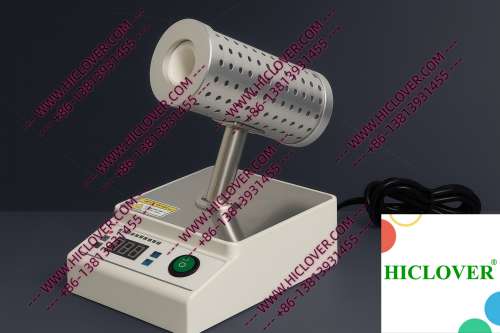
In the realm of clinical diagnostics and microbiology, especially in BSL-2 and BSL-3 laboratories, managing contamination risk is paramount. Traditional flame sterilizers introduce inconsistencies, aerosol generation, and potential fire hazards in sensitive environments, ultimately impacting the sterilization efficacy and lab safety. Moreover, laboratory workflows require reliable equipment that enables efficient sample processing, making compliance with biosafety regulations a non-negotiable factor. The arrival of infrared inoculating loop sterilizers addresses these critical needs, providing a safer and more effective method for laboratory staff to handle sterile materials.
Technical Overview of Infrared Technology
The Micro Incinerator utilizes an enclosed ceramic heating chamber that is designed for rapid, high-temperature disinfection. It employs infrared heat technology to reach sterilization temperatures quickly within seconds. This technology minimizes thermal degradation of sensitive materials while ensuring complete sterilization of inoculating loops, needles, and other instruments. Unlike traditional flame burners, which can cause thermal damage due to inconsistent heat distribution, the Micro Incinerator delivers uniform heating, ensuring optimal results in diverse laboratory applications.
Applications of Micro Incinerator in Laboratory Settings
1. Biosafety Cabinets
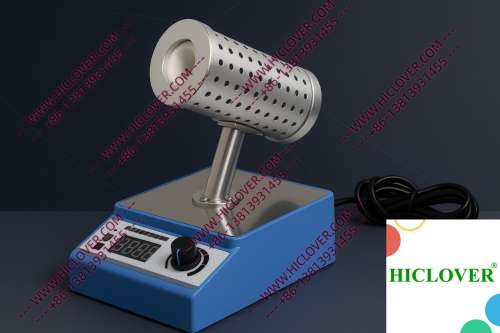
In BSL-2 and BSL-3 microbiology labs, the Micro Incinerator can be effectively utilized within biosafety cabinets. This setup not only prevents external contaminants from entering the workspace but also integrates advanced sterilization technology into a controlled environment. Researchers can quickly sterilize inoculating loops between sample transfers, ensuring zero cross-contamination and safeguarding both personnel and experimental integrity.
2. Field Testing and Teaching Labs
In field testing scenarios, especially during mobile diagnostics for epidemic outbreaks, laboratory sterilization equipment must be portable and reliable. The Micro Incinerator serves as an ideal solution, its compact design enabling easy transport without sacrificing performance. Moreover, its flame-free operation provides a safe teaching environment in educational institutions where budding scientists can learn best practices in sterilization without the risk associated with open flames.
Compliance with Biosafety Standards
Compliance with WHO biosafety regulations and laboratory sterilization standards is crucial in maintaining laboratory integrity, particularly in regions like Cotonou, where public health measures are of utmost importance. The Micro Incinerator’s design allows it to operate under sophisticated clean-room conditions without generating aerosols, making it compliant with stringent regulations. Unlike traditional flame sterilizers that pose fire risks and can contaminate the workspace, this state-of-the-art equipment ensures laboratory safety and public health as top priorities.
Table: Comparison of Micro Incinerator vs. Traditional Flame Burners
| Feature | Micro Incinerator | Flame Burners |
|---|---|---|
| Temperature Control | Rapid, consistent, and high | Variable, less consistent |
| Safety | Flame-free operation | Fire and contamination hazards |
| Portability | Lightweight and compact | Bulkier and less mobile |
| Environmental Impact | Minimal; no open flame | Potential air pollution and fire risk |
Why Choose Micro Incinerator for Your Laboratory Needs?
- Enhanced safety with rapid thermal sterilization.
- Reduced risk of contamination and cross-contamination.
- Compliance with laboratory and environmental standards.
- Ideal for various applications, including BSL-3 labs and mobile testing environments.
- Compact design tailored for educational and field settings.
Frequently Asked Questions
What is the primary advantage of using the Micro Incinerator over traditional flame sterilizers?
The primary advantage is that the Micro Incinerator provides a safer, consistent method of sterilization without the risks associated with open flames, including aerosol generation and incomplete sterilization.
Can the Micro Incinerator be used within biosafety cabinets?
Yes, the Micro Incinerator is designed to operate efficiently within biosafety cabinets, maintaining a sterile environment and minimizing contamination risks.
Is the Micro Incinerator compliant with WHO biosafety standards?
Absolutely! The Micro Incinerator meets stringent biosafety protocols, ensuring safe operation in microbiology labs.
How portable is the Micro Incinerator?
Its lightweight and compact design make it ideal for transport to various field testing locations without compromising performance.
What materials can be sterilized using the Micro Incinerator?
The device is excellent for sterilizing inoculating loops, needles, and other heat-resistant laboratory equipment.
Conclusion
As Cotonou’s hospitals and laboratories strive for enhanced biosafety and infection control, the introduction of Micro Incinerator / Infrared Inoculating Loop Sterilizers represents a pivotal advancement in laboratory sterilization equipment. This innovative technology not only guarantees compliance with international standards but also ensures safety, efficiency, and reliability across various applications, from clinical diagnostics to academic teachings. For laboratories looking to upgrade their sterilization methods, the Micro Incinerator is a proven solution poised to drive significant improvements in infection control protocols.
For inquiries or to place an order, please contact us today and take your laboratory sterilization efforts to the next level!
Categories:
Tags: